
July 2026

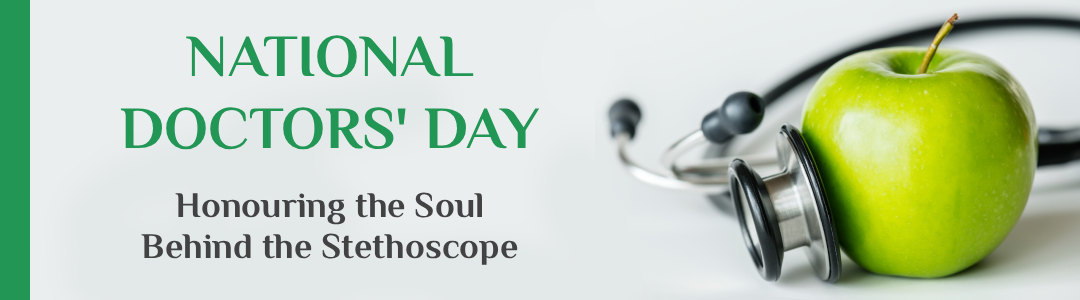
This month, as we mark National Doctors’ Day, we focus on palliative care doctors who remind us that medicine is not only about treating disease, but about relieving suffering, restoring dignity, and supporting patients and families through some of life’s most difficult moments. Their work extends beyond prescriptions and procedures to conversations, compassion, and human connection.
In this special edition, doctors from across India share the experiences, patients, and life lessons that shaped their journeys in palliative care. Their stories are a powerful reminder that while medicine may not always cure, it can always care.
Editorial: The Soul of The Stethoscope
What Doctors in Palliative Care Teach Us About Medicine, Humanity and Hope
“Doctor, thank you for treating me like a person, not a disease.”
These words, spoken by a patient to Dr Palash Rakshit, NHM, Arunachal Pradesh, may well capture the essence of what it means to practice palliative care. They also mirror a quiet dimension of medicine where success is not measured by the elimination of a disease, but by the restoration of human dignity.
This Doctors’ Day, we reached out to physicians working in palliative care across India, from Ladakh to Kerala, Kashmir to West Bengal, Odisha to Maharashtra, and asked them five simple questions. Why did they choose palliative care? Which patient changed them forever? How do they handle difficult conversations, especially about death? How do they address emotional, social and spiritual suffering? And how do they honour the diverse cultures and beliefs of the people they serve?
The answers came from different geographies and different journeys, yet together they painted a remarkably similar picture. None of them spoke first about medicine. They spoke about people.
Welcome to a new edition of Pallium India’s newsletter. Thank you for joining us. Here you can find updates from the palliative care world, upcoming events including training for professionals and volunteers, interesting articles, career opportunities and so on.
. Read previous issues of the newsletter | Ask your friends to subscribe .
Beyond the Sessions: Reflections from the Field
From Alarms to Silences: Between the Waveform and the Held Hand
For more than three years, I worked as a cardiothoracic nurse in post-operative and critical care units in a globally recognised health city for cardiac care and high-volume surgeries. Every minute mattered, and every minute was documented. Monitor readings, ventilator settings, syringe pumps, NG feeds, urinary catheters, drain outputs, pressure lines, blood gases, fluid balance and more. The patient’s body spoke through numbers, alarms, waveforms, and machines, and I was trained to hear them all.
My documentation filled pages. Every intervention was visible. Every action is measurable. Every critical decision traceable.
People called it highly skilled nursing. They were right. Those skills kept people alive.
Then I became a palliative care nurse. And almost none of my most important work fit the documentation anymore.
I walked alone in unbearable heat, carrying home care kits from house to house to reach people who could no longer reach hospitals. I entered homes where suffering sat quietly in corners, unannounced, unnamed, waiting. I listened to fears that families had never spoken aloud to anyone. I sat beside patients who knew they were dying but did not know how to begin the conversation.
The Travails of a Single Man and the Beacon of Hope
In a quiet suburb of Mumbai, on Wednesday, 1st April 2026, while people exchanged the usual April Fool’s jokes, the life of P. Gopal took a devastating turn. He suffered a paralytic stroke affecting the left side of his body.
Unaware of the gravity of his condition, and with the world around him oblivious, this 75-year-old man, living alone in a small room, spent an entire day without any medical aid. Fortunately, an acquaintance happened to visit him, sensed something was wrong, and called me.
I admitted him to K J Somaiya Hospital, Sion, Mumbai, on Thursday, 2nd April. The doctors acted swiftly, and Gopal responded well to the treatment and physiotherapy.
However, with no relatives or caretaker in Mumbai, one thought kept troubling me: What next? Where would he go after discharge?
After about 7-8 days, the doctors at Somaiya gave me a heads-up that Gopal was recovering well and could be ready for discharge within the next few days. They strongly advised neuro-physio rehabilitation for at least 4-6 weeks, as it would significantly improve his chances of recovery.
What followed were frantic phone calls and endless Google searches.
The options before us were:
* Sending him to an old age home
* Admitting him to a private rehab facility
Neither seemed viable. He needed proper physiotherapy, not merely shelter, and private rehab was prohibitively expensive.
Six Days of Training. One Sunday. Three Lives Touched.
What happened when I applied the lessons of Pallium India’s Volunteer Training Programme within 24 hours of completing it.
I did not expect a week of online sessions to change how I spent my Sunday. But that is exactly what happened.
I recently completed the six-day Volunteer Training Programme conducted by Pallium India through the iECHO platform. Across six sessions, expert faculty walked us through the many dimensions of palliative care — pain management, emotional support, caregiver wellbeing, communication, and the quiet but profound importance of human presence. Each session was followed by an open Q&A, giving participants the chance to ask, question, and connect.
It was rich. It was practical. And it stayed with me.
The final session concluded on Saturday. By Sunday evening, without having planned any of it, I had already applied three of the programme’s core lessons — not in a clinical setting, but in my own building, with my own family.
A Watch, A Wish, A Life
In palliative care, patients are often asked a simple question:
“Is there anything you would like to do or have?”
The answers are rarely extravagant. More often than not, they are simple wishes, that may have deep meaning in their lives.
Recently, a gentleman receiving palliative care had reached the final stage of his illness. His body was growing weaker, and everyone around him understood that time was short. Amidst conversations about medications, symptoms, and care, he was gently asked the question.
He paused for a moment and then said softly,
“I want to wear my watch.”
His family was surprised. Of all the things he could have asked for, it was his watch that mattered.

A Home Called Hope
A story of hope and grace, shared by Nidhi, Social Officer, Pallium India
When life had already taken so much from her, Suja was asked to carry even more.
Living with colon cancer and dependent on a colostomy bag after surgery, every day required courage. A widow and mother of two sons, she carried the responsibility of keeping her family together despite her own illness. One son struggled with health problems of his own, while the younger one was still in school.
The house they lived in offered little comfort. Rainwater leaked through the roof into the bedroom and kitchen. The toilet was barely usable, and the bathroom stood outside, covered only by a sheet. For a woman living with a colostomy bag, the lack of privacy was particularly distressing. She often asked her son to stand guard while she bathed.
Checkmate for Palliative Care: Celebrating our Champions from the May 2026 Tournament
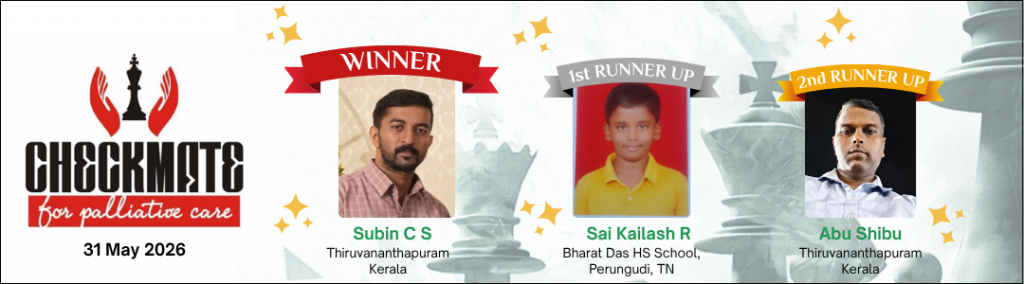
Trivandrum Institute of Palliative Sciences (TIPS), Pallium India
| Beneficiaries reached till March 2026: | 30,682 | |
| Palliative Care centres / services catalysed: | 256 | |
| Stakeholders trained (virtual and onsite): | 12,375 |
Annadanam: Meals Full of Love

Celebrate your birthday, anniversary, or honour the memory of a loved one by sharing a warm meal with patients and caregivers at Pallium India’s In-Patient Unit. Your gesture will nourish 20 patients and 20 caregivers (40 beneficiaries) with love and care. Each meal you sponsor is a gift of care, love, and nourishment for patients and their families.
Our Palliative Care Demonstration Centre supported by the National Health Mission, at Jayanagar General Hospital, Bengaluru, will serve as an out-patient clinic and an anchor for home-based care, referral linkage centre, community participation & volunteer orientation hub, training site for healthcare professionals, and offer physical and social rehabilitation services.
We are now raising funds to support the OPD setup and essential infrastructure, including medical equipment, surgical instruments, electrical items, admin and utility cost.
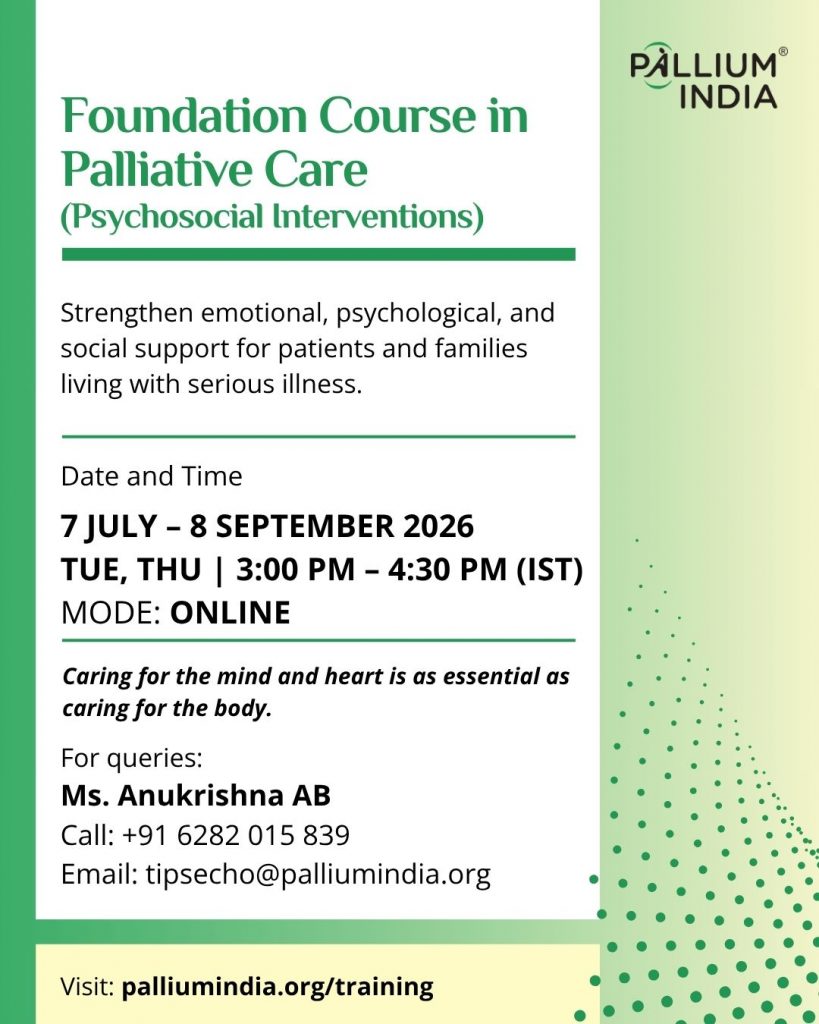
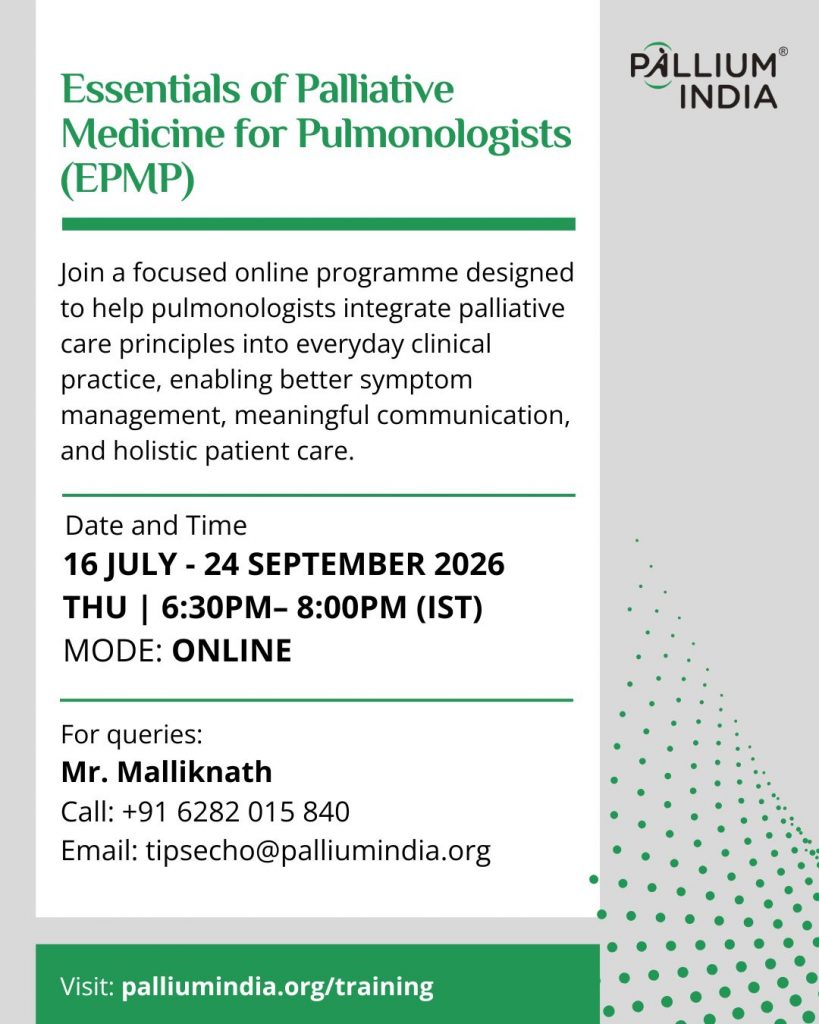
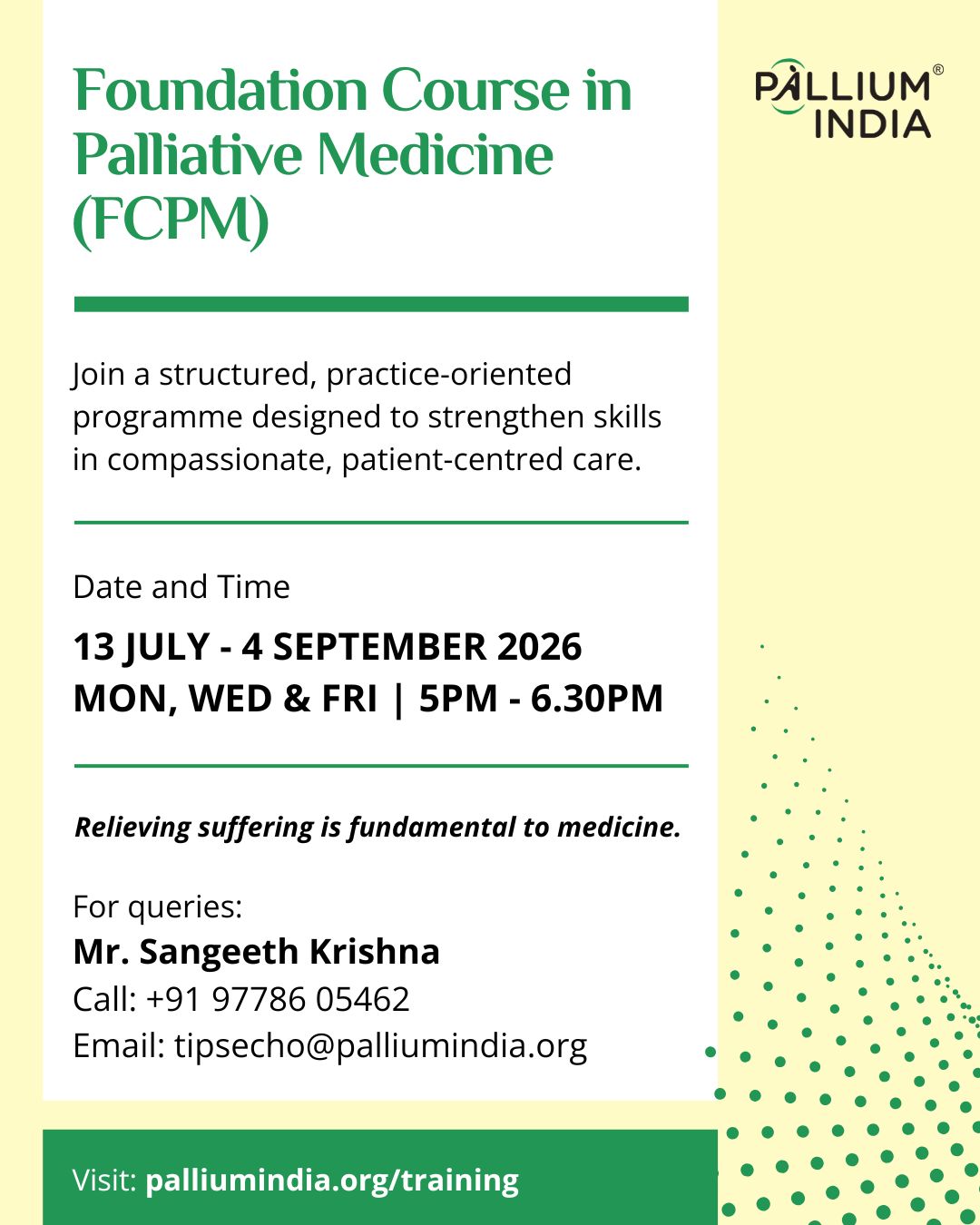
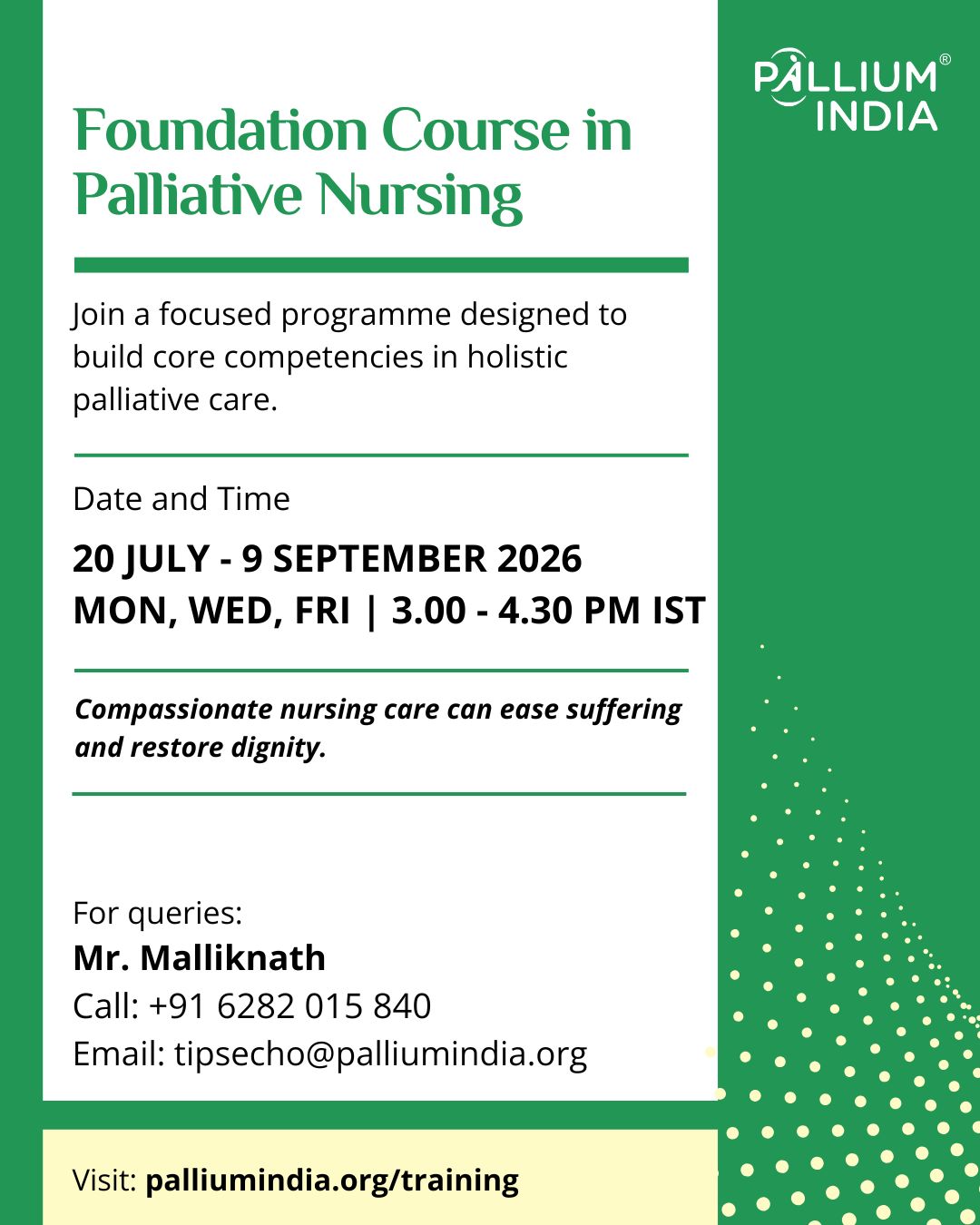
Upcoming Events, Trainings & Conferences
Openings
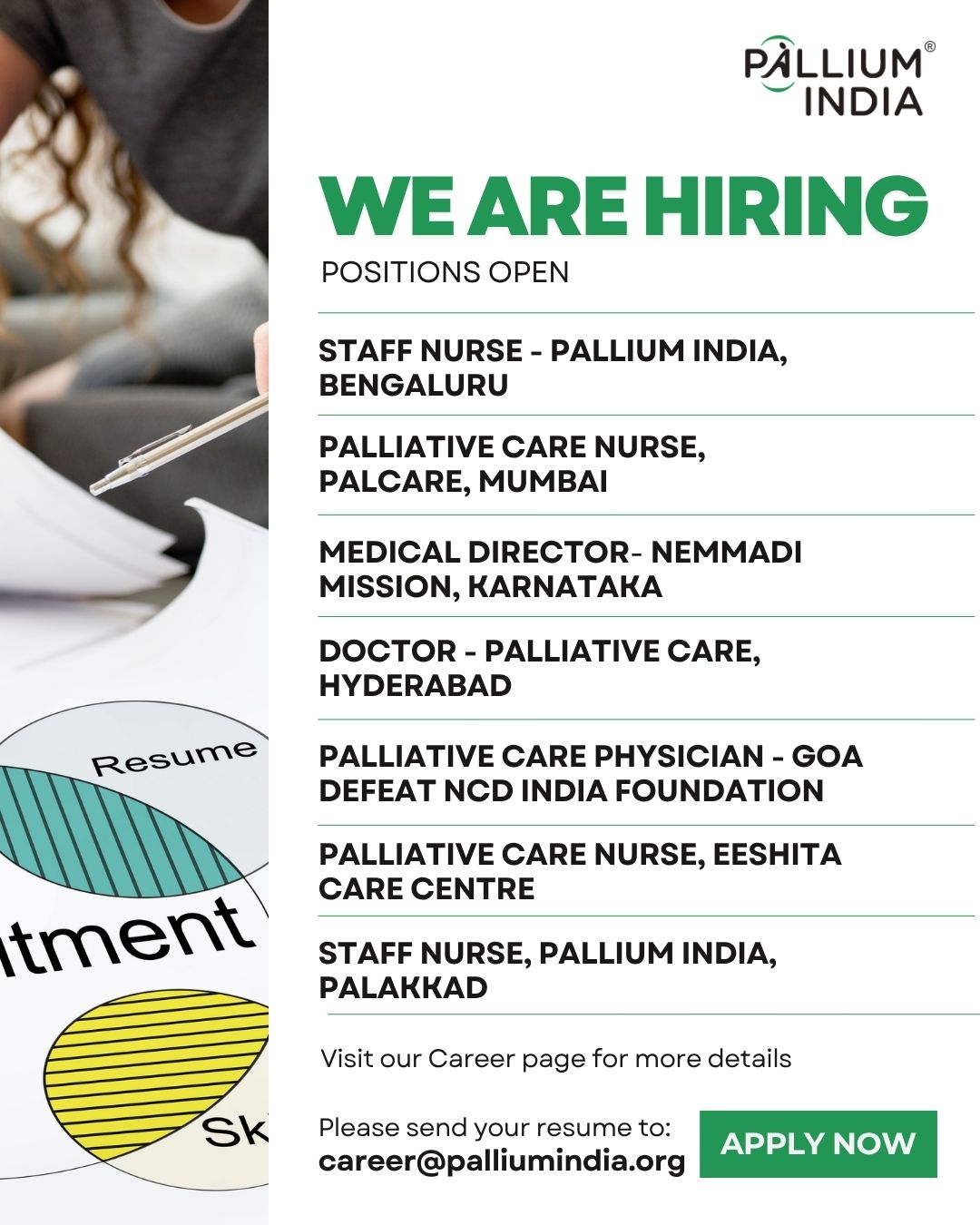
For more openings, visit our CAREERS page:
https://palliumindia.org/category/career
In case of queries, please write to us: [email protected]
Stay tuned for palliative care news, views and updates
Reports / News / Articles
Nursing Excellence in Home-Based Palliative Care
The Foundation of Better Patient Outcomes
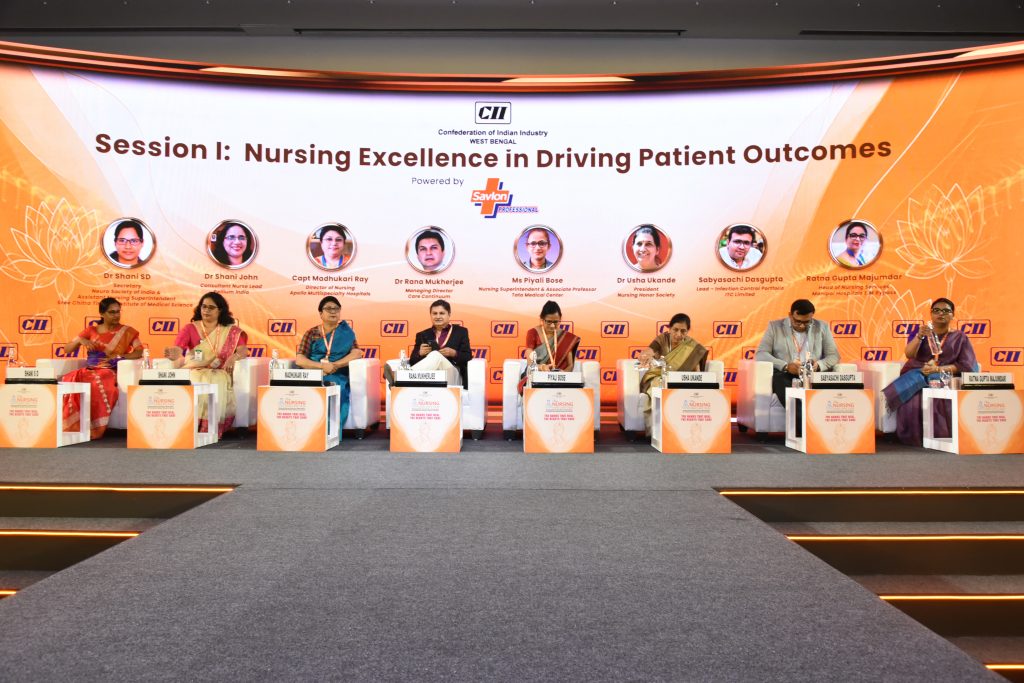
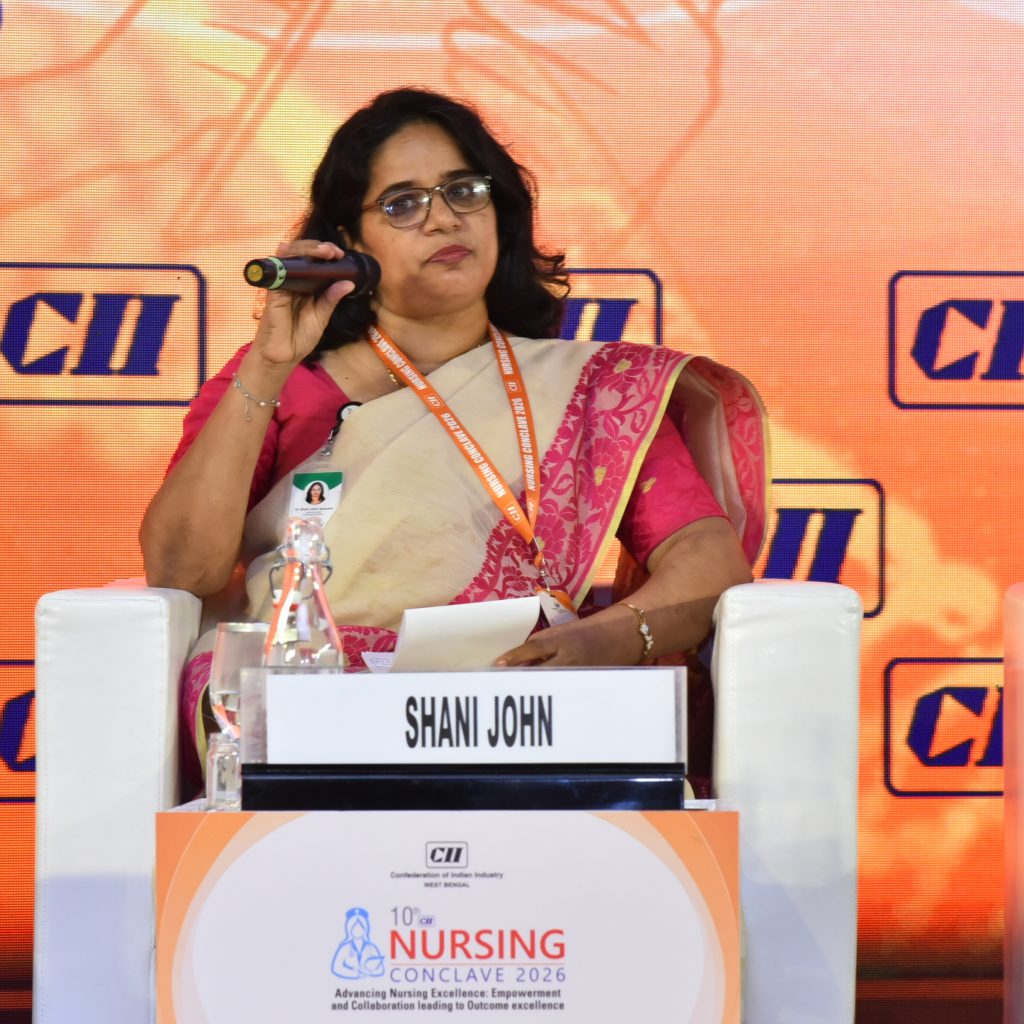
At a recent conclave on Nursing Excellence, a thought-provoking discussion explored a critical question: What does nursing excellence truly mean in home-based palliative care, and how does it influence patient outcomes?
The conversation highlighted that nursing excellence extends far beyond clinical procedures and technical competence. Drawing on the International Council of Nurses’ definition and contemporary palliative care evidence, excellence was described as the ability to consistently provide person-centred, family-centred, and evidence-based care that relieves suffering, improves quality of life, empowers caregivers, and ensures continuity of care in the patient’s preferred place of care.
In the home setting, the palliative care nurse occupies a uniquely pivotal role. Nurses are often the professionals who bring together symptom management, caregiver support, family assessment, care coordination, community resource mobilisation, advance care planning, and end-of-life care. As one panelist observed, “In home-based palliative care, nursing excellence is not defined by procedures performed; it is defined by suffering relieved, families empowered, and continuity of care achieved.”
Celebrating Doctors and Advancing Palliative Care in Sikkim
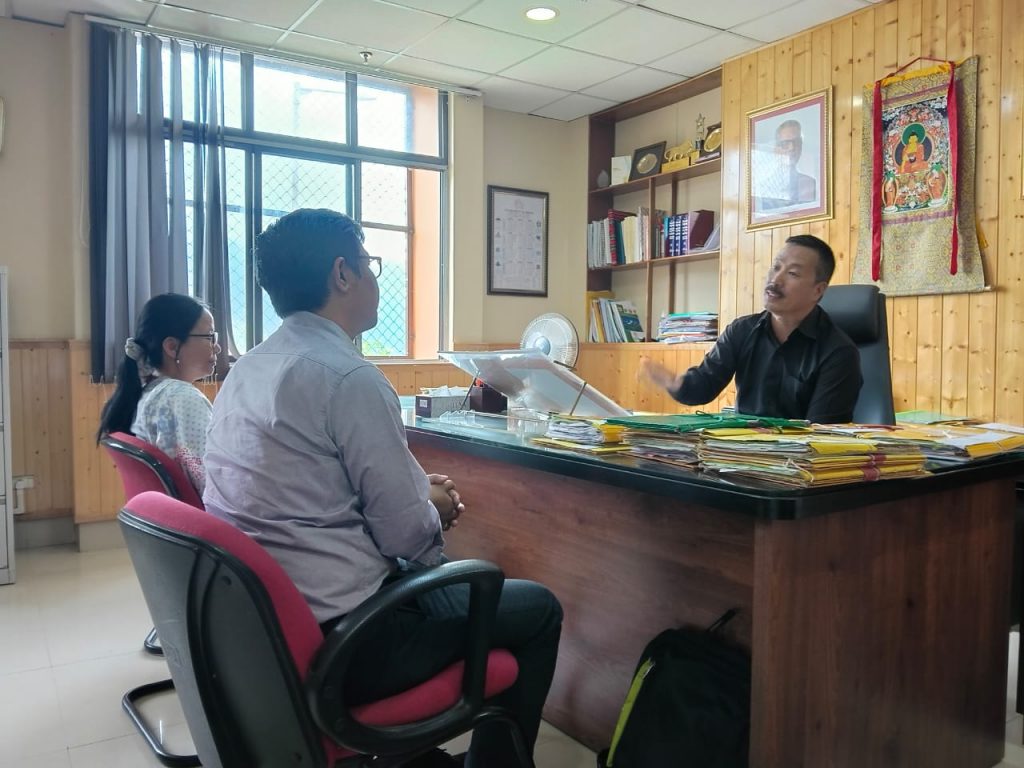
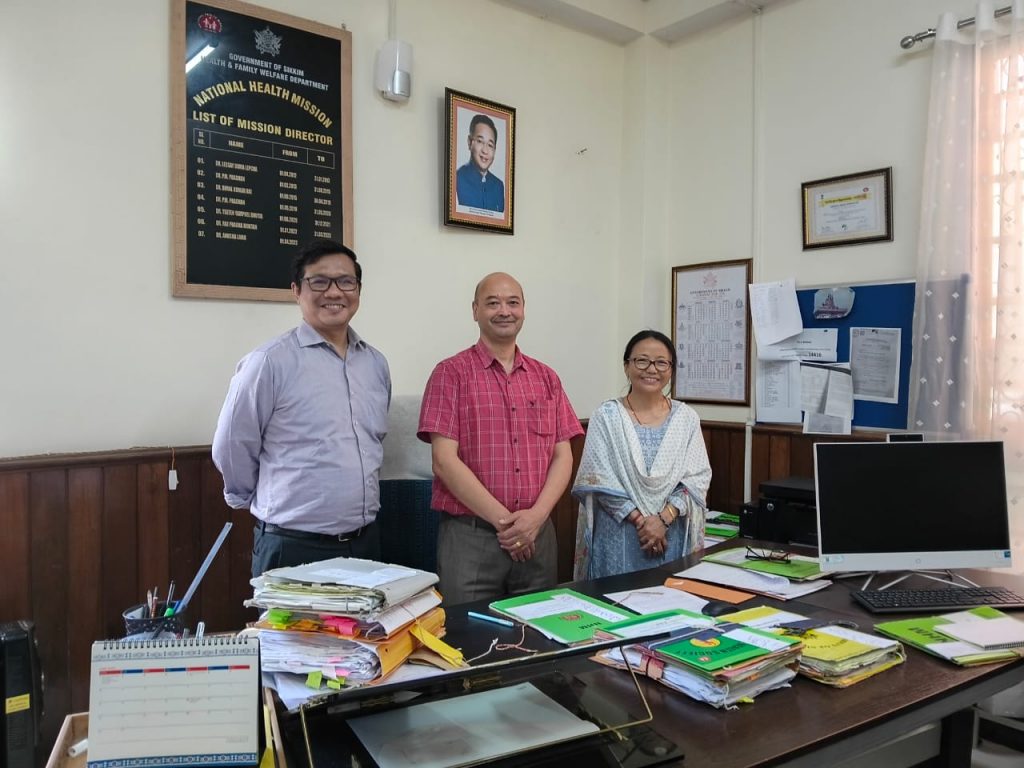
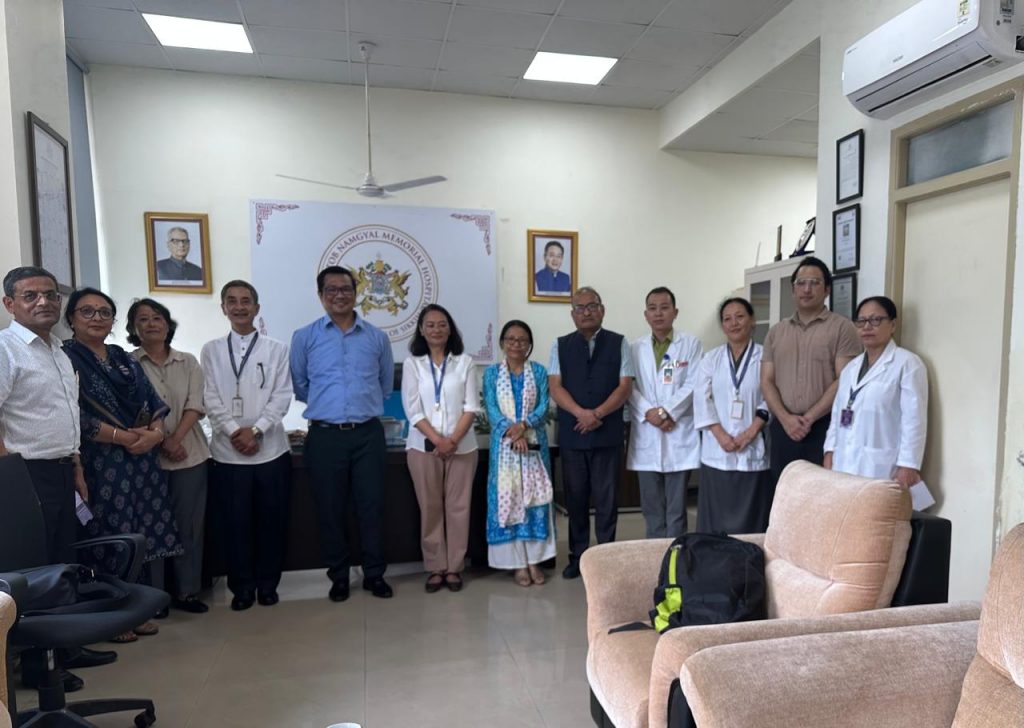
As we approach Doctor’s Day, it is fitting to reflect not only on the tireless service of physicians but also on the evolving landscape of healthcare in India. My recent visit to Sikkim (15th – 19th June 2026) offered a glimpse into both the dedication of doctors and the promise of stronger palliative care systems.
Doctors at the Forefront
At Gangtok’s STNM Hospital, I met a team of 11 senior members, including the Medical Superintendent, the Director, and the Nursing Superintendent. Their commitment was palpable: a dedicated palliative care clinic, morphine availability, and staff trained through Pallium India. Dr Nilima Pradhan, PCC cum HOD of Anaesthesia, voiced a heartfelt request for manpower support – one doctor, one nurse, and one data entry staff – to strengthen service delivery. This appeal underscores the reality that while infrastructure exists, human resources remain the backbone of compassionate care.
Strengthening Palliative Care in Uttarakhand
SSJGIMSR Almora Leads the Way
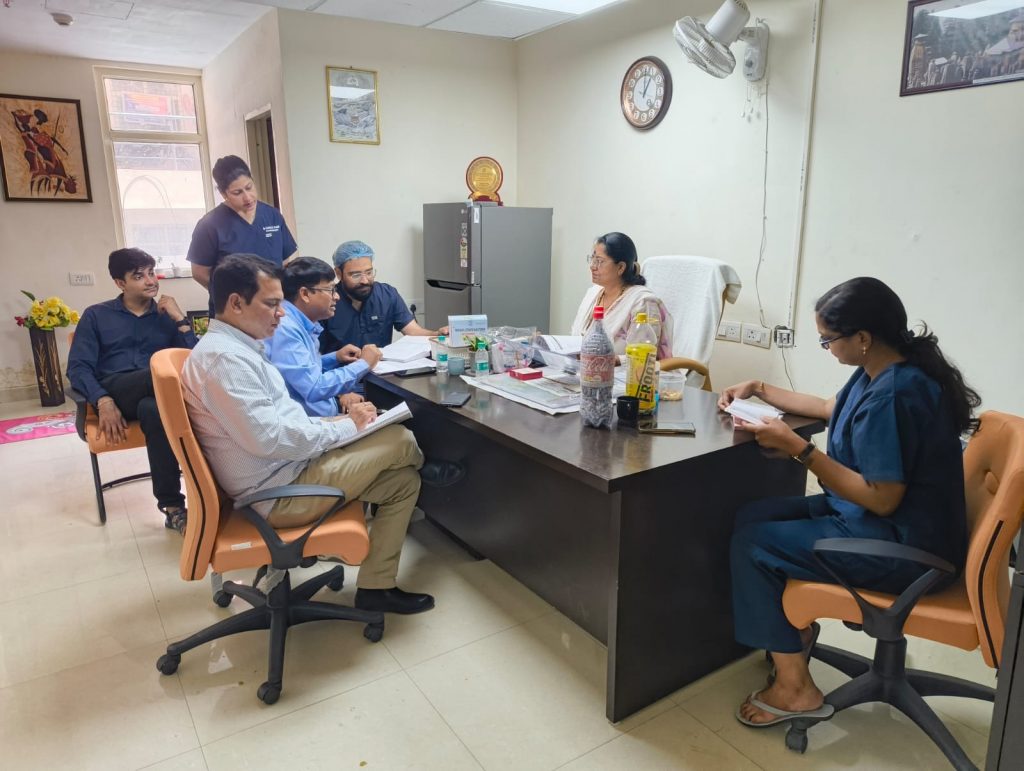
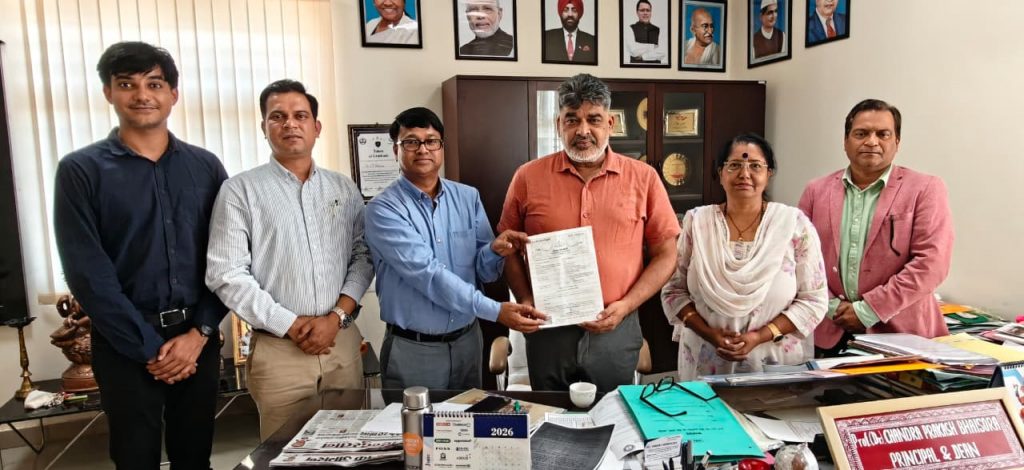
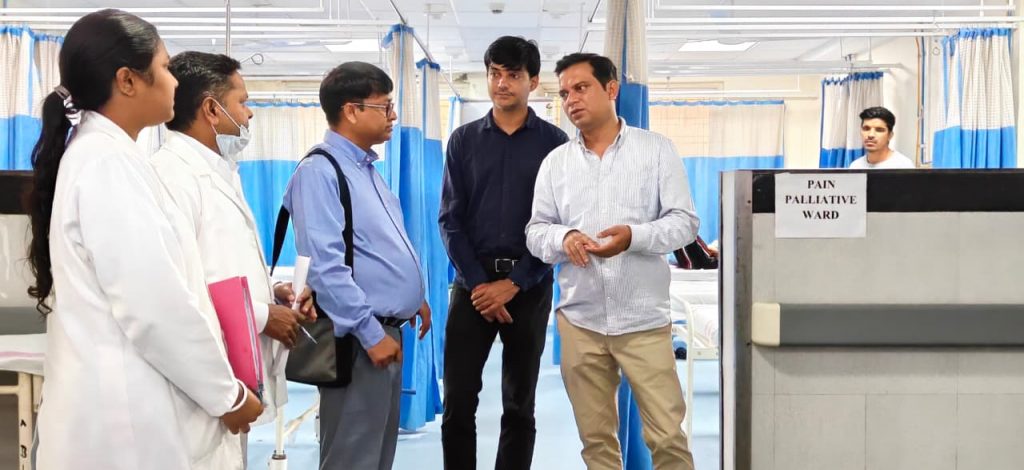
Access to quality palliative care remains a challenge for many patients living in the remote and mountainous regions of Uttarakhand. Difficult terrain, scattered populations, and limited access to healthcare services often prevent people living with serious illnesses from receiving timely and compassionate care. Against this backdrop, Soban Singh Jeena Government Institute of Medical Sciences & Research (SSJGIMSR), Almora, has emerged as a leading institution committed to bringing quality palliative care closer to patients and their families.
The institution’s palliative care journey has evolved steadily over the past few years through strong institutional leadership, committed healthcare professionals, and sustained technical collaboration. Faculty members from the institution first strengthened their knowledge and skills by completing the online Foundation Course in Palliative Medicine (FCPM) through the Trivandrum Institute of Palliative Sciences (TIPS), a WHO Collaborating Centre for Training and Policy on Access to Pain Relief and Palliative Care. Dr. Urmila Palaria, Head of the Department of Anaesthesiology, further enhanced the institution’s expertise by successfully completing Pallium India’s Global Fellowship in Palliative Medicine. Building upon these capacity-building initiatives, dedicated Palliative Care Outpatient (OPD) and Inpatient (IPD) services were established at Base Hospital, Almora, enabling patients with serious illnesses to receive holistic and compassionate care closer to home.
Palliative Care in Oncology: A Paradigm Shift in Two Decades
Cancer has been viewed as a killer disease since time immemorial. As treatment has advanced by leaps and bounds in the last 2-3 decades, cure rates have improved. Diseases once considered incurable can now be controlled for several years. This progress comes with a cost – the cost of living with the disease, the cost of prolonged therapy, and the cost of prolonged suffering.
Developing countries like ours continue to see very advanced presentations of the disease with large fungating tumours and extreme cachexia.
When I was initiated into palliative care in 2002, we were taught that when cure is not possible, care is the least that we can offer. At that time patients were referred to palliative care when everything else had failed. Patients and families were desperate and the palliative care teams had very little time to offer anything substantial.
Video of the Month
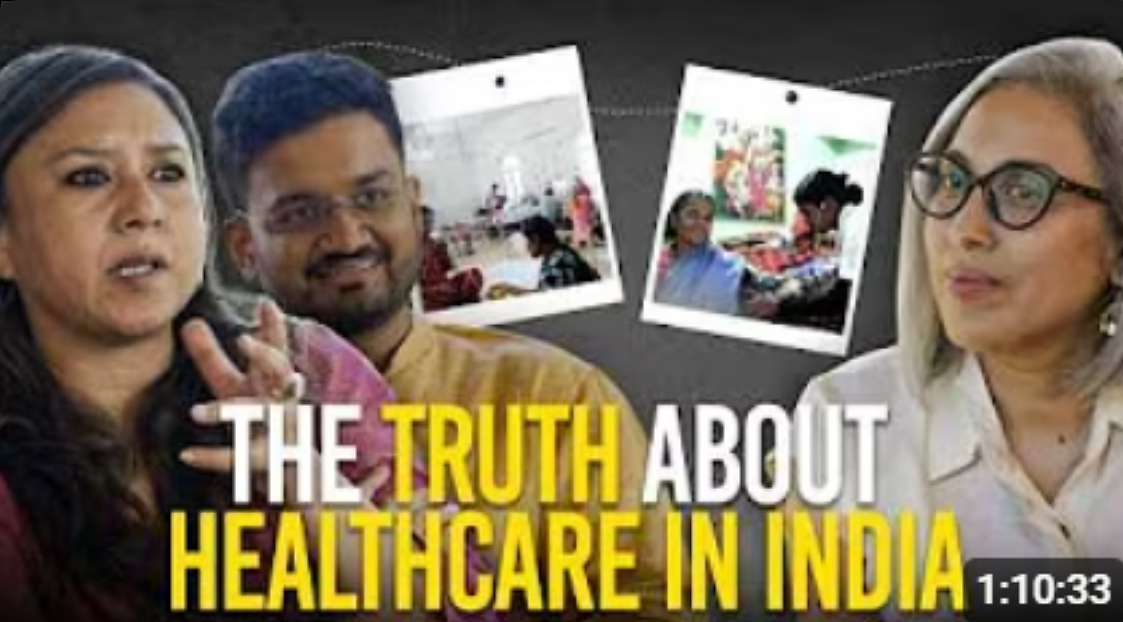
This Is What Healthcare in India Really Feels Like
Is the Indian healthcare system equally accessible to all Indians? Smriti Rana, Head of Strategy & Partnerships at Pallium India and Dr Parth Sharma, community medicine researcher and doctor in conversation with Sowjanya of Attitude Makeover.
Subscribe to Pallium India’s YouTube channel for videos related to palliative care and our activities. You can watch previous webinars and training sessions, as well as listen to caregivers, survivors and others sharing their experiences.
Join us in making India pain-free! Subscribe to our newsletter for updates.
Book of the Month
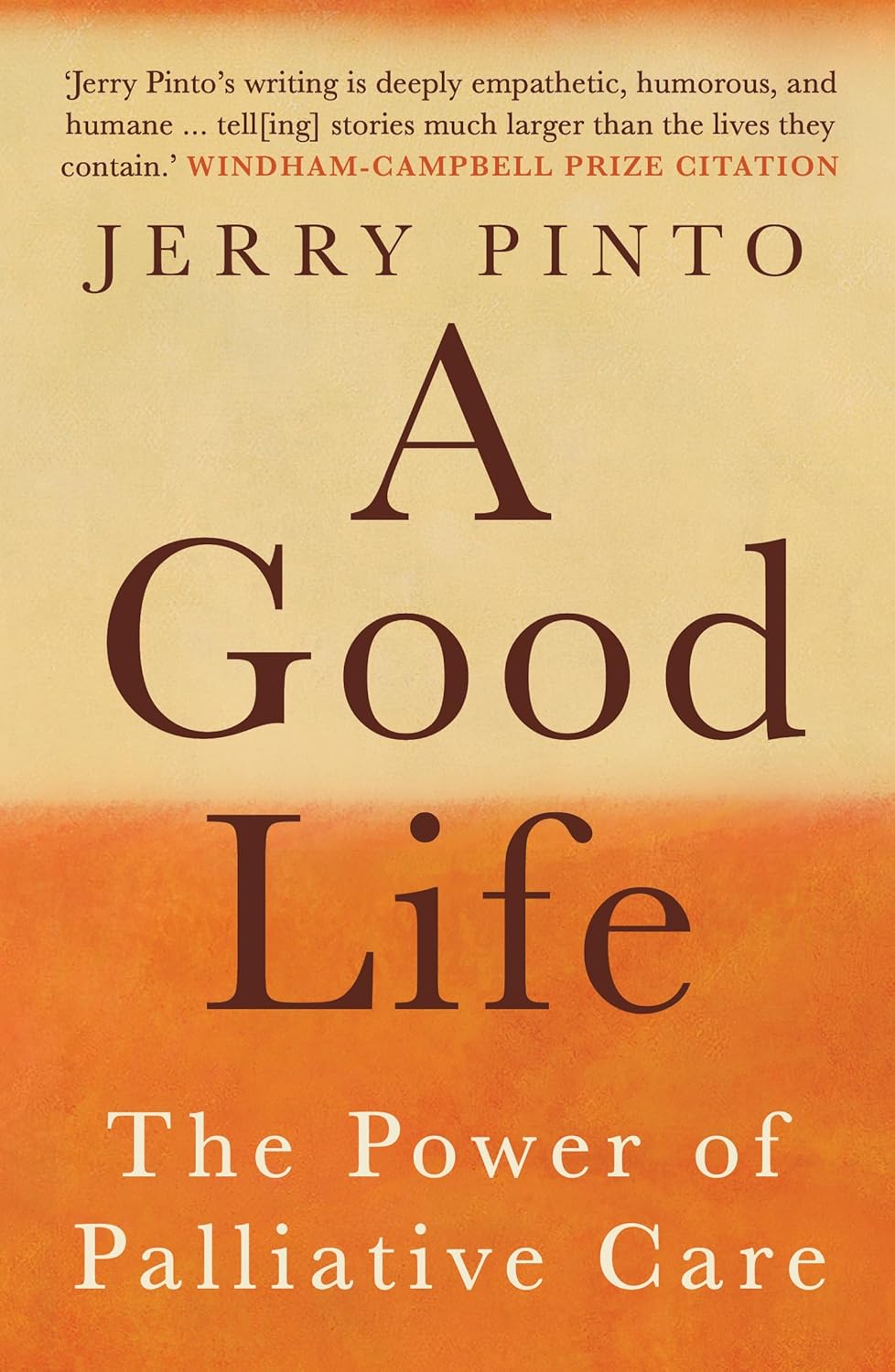
A Good Life
The Power of Palliative Care
Jerry Pinto’s book, “A Good Life,” redefines palliative care as life-affirming, focusing on living well despite chronic illness, rather than solely on terminal conditions. The author delves into the realm of palliative care through intimate stories of patients, families and devoted caregivers. Their wish to live fully and meaningfully transforms our perception of palliative care, allowing us to reflect on our own health, both in the present and in the future.
It introduces the reader to what palliative care offers, why it exists, and how it can benefit people. The book also accounts for numerous kinds of pain that go unacknowledged, and therefore unaddressed, in the interactions that patients and their caregivers usually have with the mainstream medical-industrial complex.
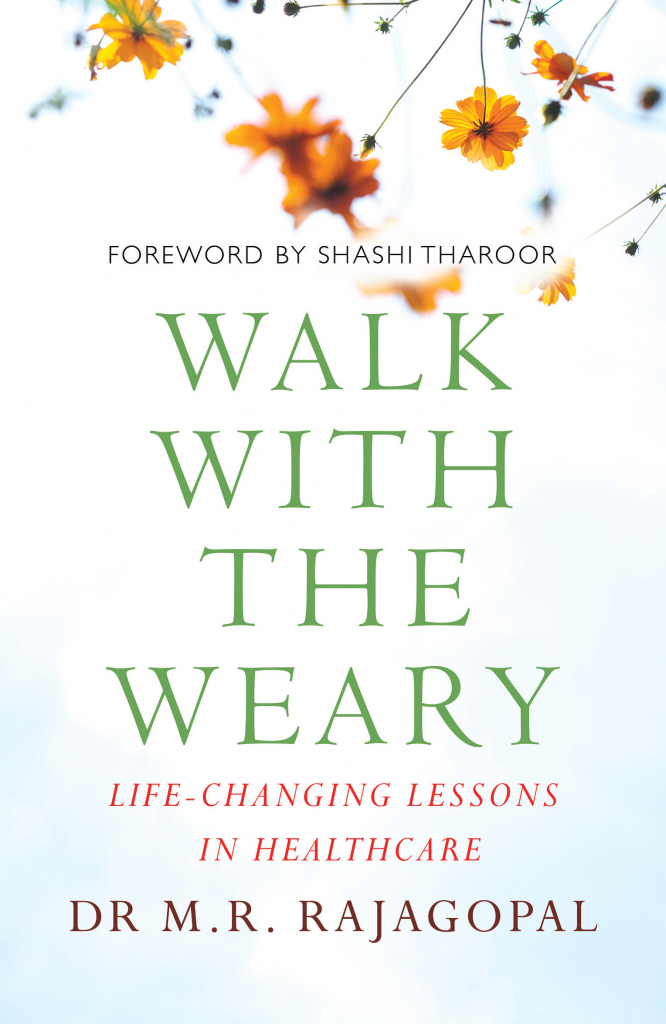
Walk with the Weary – by Dr M R Rajagopal
A masterclass in how to care for others deeply and compassionately no matter who they are, Walk with the Weary is simultaneously the story of Dr Rajagopal’s life and his calling and the world of Indian palliative care.

Palliative Care Telehealth
Call us: +91 964 588 4889 /
+91 860 688 4889

Parting Shot
The Living Dead Among Us
A Call to Recognise Social Death

Not all deaths occur at the end of life.
Some deaths happen even when a person is still breathing.
Some deaths happen even when the heart continues to beat.
Some deaths happen even when a person continues to walk among us.
These are the deaths we rarely acknowledge.
These are the people we fail to see.
These are the socially dead.
They live among us every day.
The elderly person who spends weeks without meaningful human contact.
The patient whose diagnosis slowly erases their identity.
The caregiver whose own life disappears beneath endless responsibilities.
The person with disability who is spoken about but rarely spoken to.
The person whose pain has become so ordinary that society no longer notices it.
They are alive.

Pallium India Newsletter: Global Communications Partner
For weekly news from around the world for everything to do with hospice and palliative care: Register Here
Follow us on Social Media for updates
Contact us: [email protected] / 97467 45497
Thank you for reading our newsletter. Read previous issues here
Don’t miss any updates! Subscribe to receive our monthly newsletter via email:
https://palliumindia.org/newsletter
Have feedback? Let us know. Write to us: [email protected]