
Celebrating Doctors and Advancing Palliative Care in Sikkim
As we approach Doctor’s Day, it is fitting to reflect not only on the tireless service of physicians but also on the evolving landscape of healthcare in India. My recent visit to Sikkim (15th – 19th June 2026) offered a glimpse into both the dedication of doctors and the promise of stronger palliative care systems.
Doctors at the Forefront
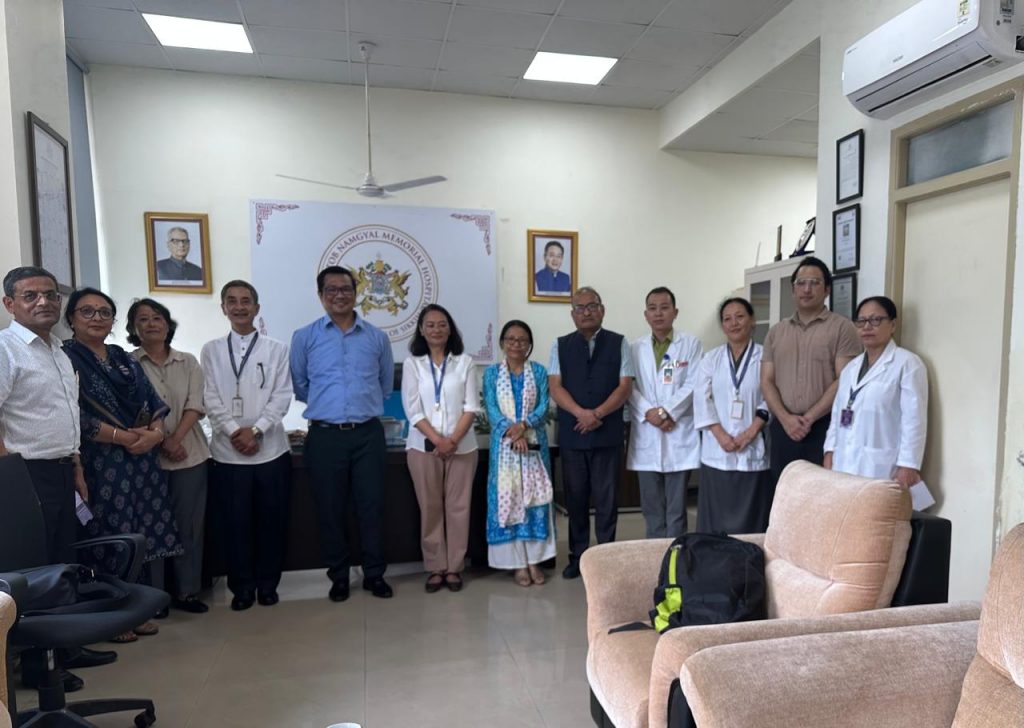
At Gangtok’s STNM Hospital, I met a team of 11 senior members, including the Medical Superintendent, the Director, and the Nursing Superintendent. Their commitment was palpable: a dedicated palliative care clinic, morphine availability, and staff trained through Pallium India. Dr Nilima Pradhan, PCC cum HOD of Anaesthesia, voiced a heartfelt request for manpower support – one doctor, one nurse, and one data entry staff – to strengthen service delivery. This appeal underscores the reality that while infrastructure exists, human resources remain the backbone of compassionate care.
Equally inspiring was the interest shown by Chief Drugs Inspector SS Pradhan, who welcomed the idea of on-site training on opioid availability. Such openness from regulatory authorities reflects a growing recognition of the importance of easing patient suffering.
Bridging Policy and Practice
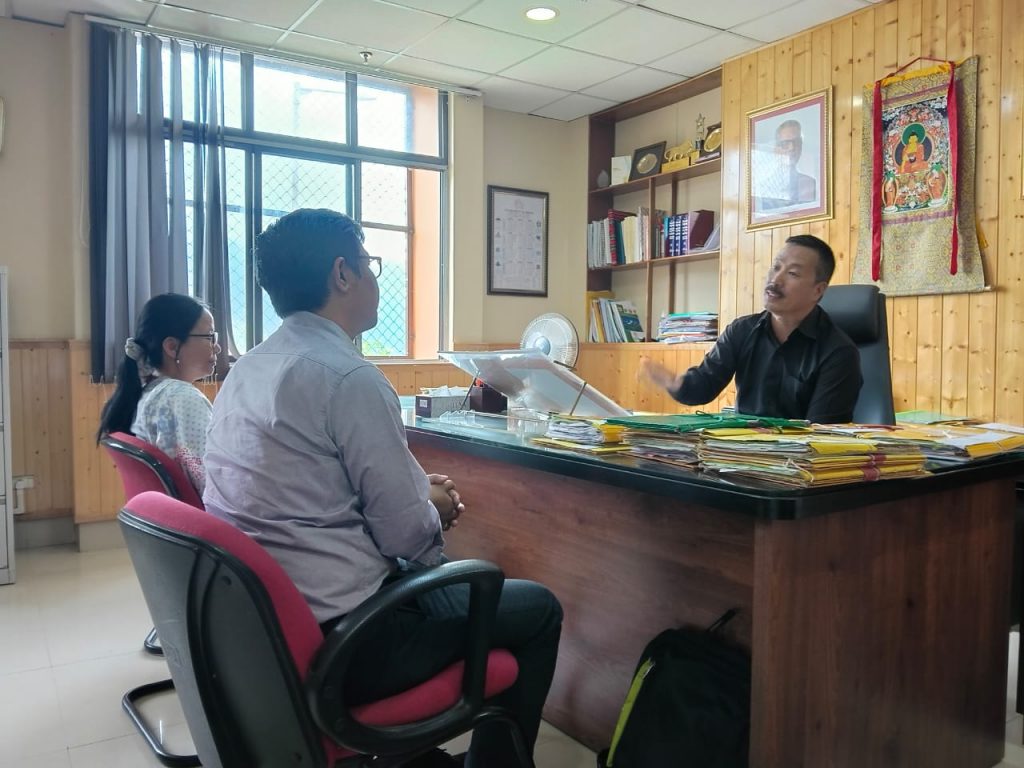
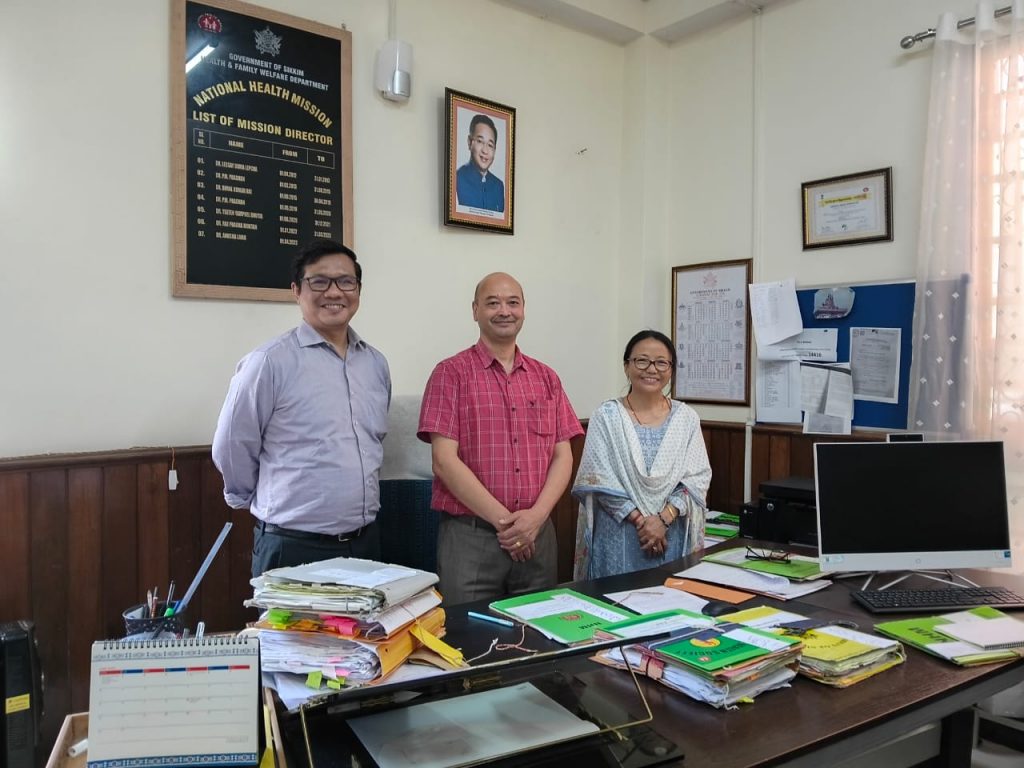
Meetings with Dr Namita Hang Subba (Additional Director, SNO Ayushman Bharat – CPHC & Community Process, Nodal Officer NPPC), Dr Bikash Pradhan (MD NHM), and Tshewang Gyachho, IAS (Health Secretary) highlighted a crucial gap: while the NDPS Act of 1985 is implemented, the NDPS Rules of 2015 (post-2014 amendment) remain unenforced, leaving the excise department in control. The Health Secretary advised me to identify these gaps during my stay, and I shared documents with Dr Namita to advance regulatory advocacy. Doctors, after all, cannot serve effectively without enabling policies.
Community Connections
Beyond hospital walls, I joined four home visits in Pakyong District with doctors, nurses, and ASHAs. These encounters revealed the human side of palliative care – the quiet resilience of families, the compassion of frontline workers, and the pressing need for community-based support. Strengthening ASHA involvement could be transformative in extending care to the most vulnerable.
Scenic Sikkim: Healing in Nature’s Lap
Sikkim itself is a reminder of the healing power of nature. Nestled in the Himalayas, its lush valleys, cascading waterfalls, and serene monasteries create an environment where care and compassion feel at home. Even the challenges of landslides and mountain routes during my return journey underscored the resilience of this land and its people. For doctors working here, the beauty of Sikkim is both a backdrop and a source of strength.
Key Takeaways
- Doctors in Sikkim are leading with dedication, but need manpower support.
- Regulatory gaps in NDPS Rules (2015) must be addressed to streamline opioid availability.
- STNM Hospital is poised to expand its palliative care clinic to three days a week.
- Community engagement, especially through ASHAs, is vital for home-based care.
- The signed MoU under the BPCL Project marks a milestone in collaboration.
A Tribute on Doctor’s Day
Doctors are more than healers – they are advocates, educators, and companions on life’s journey. In Sikkim, their work is amplified by the state’s natural serenity and the collective will to advance palliative care. As we celebrate Doctor’s Day, let us honour their service and commit to providing them with the resources, policies, and partnerships they need.
Rontu Sangma
Regional Facilitator-NE, Pallium India