
March 2026

This March, as we mark International Women’s Day, we turn our attention to the women who form the invisible backbone of caregiving. In homes, hospitals, and communities, women continue to shoulder the greater share of emotional, physical, and financial care work—often without recognition, protection, or choice.
In this issue, Beyond Resilience: Why Systems Must Support Women Caregivers, we move past narratives of sacrifice and strength to examine the structural realities behind caregiving. If care is essential to life and dignity, then it must be valued, shared, and supported—not left to women by default.
Beyond Resilience: Why Systems Must Support Women Caregivers
Every International Women’s Day, we celebrate strength and resilience. Yet, it’s time to move beyond applause and ask a deeper question: Why is resilience a requirement—especially for women in caregiving roles?
Caregiving—especially in health and palliative care—is often hailed as a feminine attribute. Yet women are not innately better caregivers; they are simply expected to be. This expectation is structural, social, and historical—the result of systems that assign women disproportionate responsibility for unpaid care work, both at home and in communities.
Caregiving rarely announces itself but seeps into life until daily routines, careers, and personal aspirations reorganise around someone else’s needs. When a family member falls ill, the question is rarely who will care? but which woman will. A daughter, a wife, a sister, a daughter-in-law—she becomes the default. But this narrative hides the structural expectations that push women into unpaid, under-supported roles of emotional and physical labour. To build justice and equity, we must shift focus from heroic individuals to the systems that shape caregiving itself.
She Inherits Silence
By Mehak Chopra
A poem that beautifully captures the lived reality of women who are told they are empowered but are quietly having to endure violence within their households.
She inherits silence
the way others inherit gold—
passed down quietly,
wrapped in warnings,
stitched into bedtime stories:
Don’t go out late.
Lower your voice.
Adjust.
Her grandmother swallowed bruises
because FIRs were for men with power,
not women with honour to protect.
Her mother learnt to negotiate pain—
compromise dressed up as survival,
fear renamed family reputation.
In police stations,
her story waits in long queues—
between missing files
and questions that bruise again.
“What were you wearing?”
as if justice checks dress codes.
Equality is written in textbooks,
framed in offices,
quoted on special days—
but her body still remembers
what the law forgets to feel.
She is told she is empowered now,
because she works, earns, votes—
yet her safety is conditional,
her freedom revocable,
her pain always needing proof.
Still, she speaks.
Files FIRs.
Names violence without apology.
Refuses to carry silence forward.
She is the generation
that breaks inheritance—
not by forgetting trauma,
but by demanding a world
where daughters inherit dignity,
not fear.
Intergenerational trauma and gender-based violence are often normalised and quietly endured. Through my work in public health and palliative care, I repeatedly witness how women are taught to negotiate pain, protect family honour, and remain silent even in the face of systemic injustice.
She Inherits Silence was written as a response to these lived realities—where laws exist, yet empathy is missing, and where women are told they are empowered while their safety remains conditional. This poem is both a reflection of what has been inherited and a refusal to pass that silence forward.
Edited by Christianez Ratna Kiruba
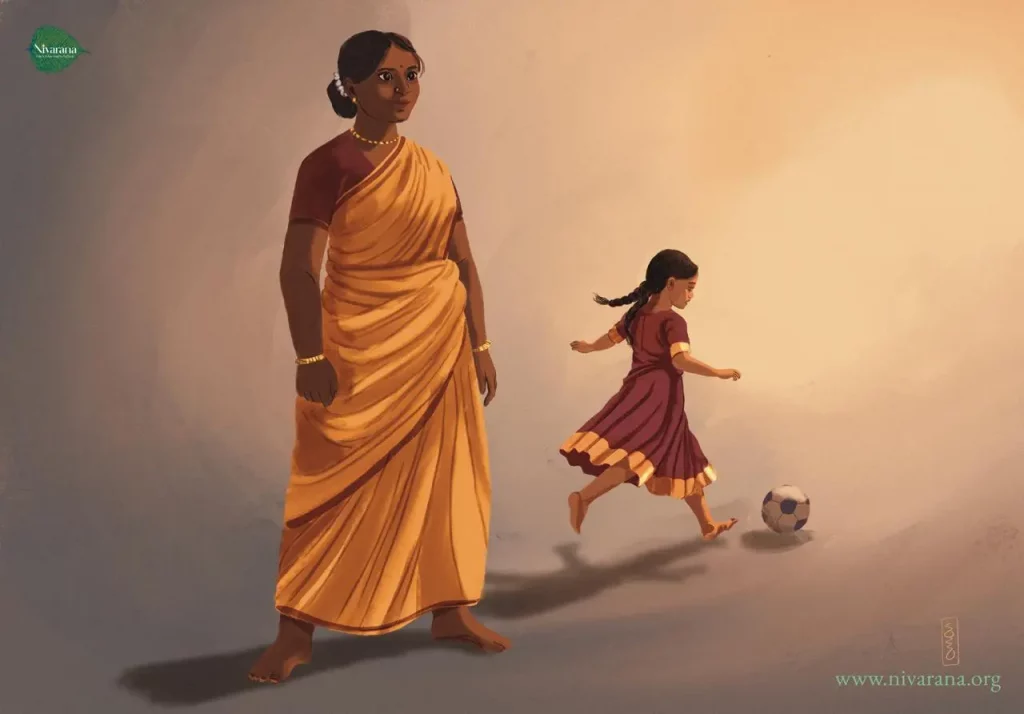
Image by Gayatr
Published on nivarana.org
Welcome to a new edition of Pallium India’s newsletter. Thank you for joining us. Here you can find updates from the palliative care world, upcoming events including training for professionals and volunteers, interesting articles, career opportunities and so on.
. Read previous issues of the newsletter | Ask your friends to subscribe .
Beyond the Sessions: Reflections from the Field
When Palliative Care Quietly Stayed with Me
It was January 2019. Himachal was buried under snow, life moving slowly between white roads and cold mornings. That winter, I was among a few selected for training at Pallium India.
Usually, trainings feel like small pauses from hectic duty schedules—some lectures, a change of place, a little breathing space. I went with the same expectation. But this training carried something far deeper than relaxation. It carried experiences that even today I find difficult to put into words.
This was not a casual program. There was a proper assessment, and certification required scoring at least 75%. Every session mattered. Learning here demanded presence, reflection, and sincerity.
A Room That Never Left Me
During the training, I, along with the Pallium team, visited a day-care hospice functioning inside a home. As we approached one room, we saw a man lying on the bed, both his legs amputated. At the door, a voice in the local language invited us to come inside.
When the Inner Child Smiled One Last Time
He came to us for end-of-life care.
An elderly gentleman, physically frail yet inwardly composed, he had spent much of his life associated with healthcare institutions. The discipline of hospitals, the culture of service, the quiet commitment of caregivers—these were woven into his story.
As his illness advanced, there was a certain gentleness about him. In his final days, he seemed to carry a simplicity that often emerges when life comes full circle. The layers fall away. What remains is essence.
For his family, acceptance was not easy. Love makes letting go difficult. Yet they stood by him with devotion, navigating hope, fear, and reality all at once.
When the end came, it was peaceful.
And then, in the midst of fresh grief, came a remarkable moment.
The family made a request:
“Can we donate his eyes?”
In that fragile space between loss and farewell, they chose generosity.
Celebrating Compassion Through Art and Care
On 25 January, Pallium India had the privilege of attending a special community event organised by Sparsh Cancer Care, at Zaverchand Meghani auditorium Sardar Nagar Bhavnagar — a gathering that beautifully brought together gratitude, creativity, and compassionate healthcare.
The event began as a heartfelt felicitation ceremony to acknowledge donors, partners, and stakeholders who have steadfastly supported the Sparsh Cancer Care team in its journey of serving patients and families affected by cancer. It was a moment of collective appreciation, recognising that meaningful care is always the result of shared commitment and collaboration.
Rangmanch Jalsa — When Art Spoke the Language of Humanity
Following the felicitation, attendees were immersed in Rangmanch Jalsa, a one-of-its-kind cultural presentation that portrayed the nine fundamental human emotions (Navras) through an evocative blend of poetry, music, and theatrical performances. Each act reflected emotions deeply familiar to those walking alongside illness — hope, grief, courage, fear, love, resilience, and acceptance.
RUCHIMELA 2026 – When Food Became Fellowship and Fundraising
Ruchimela 2026, the Food Fest organised by the staff and volunteers of Pallium India, was much more than a two-day event. It was a collective act of care, community, and commitment to palliative care welfare activities.
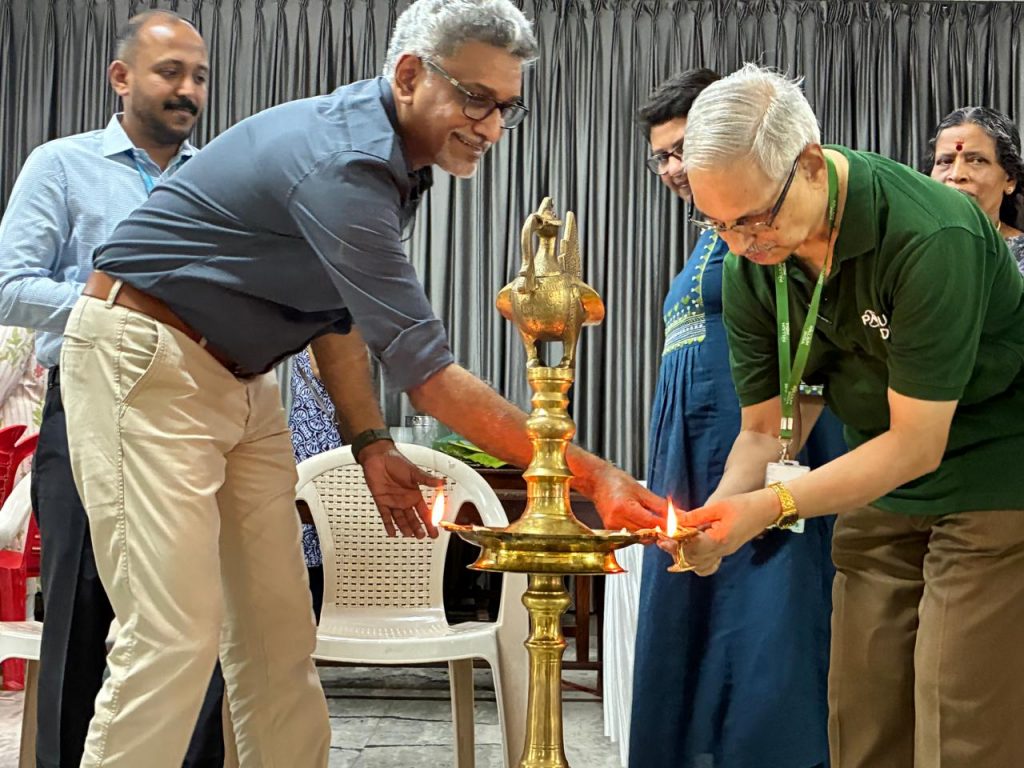
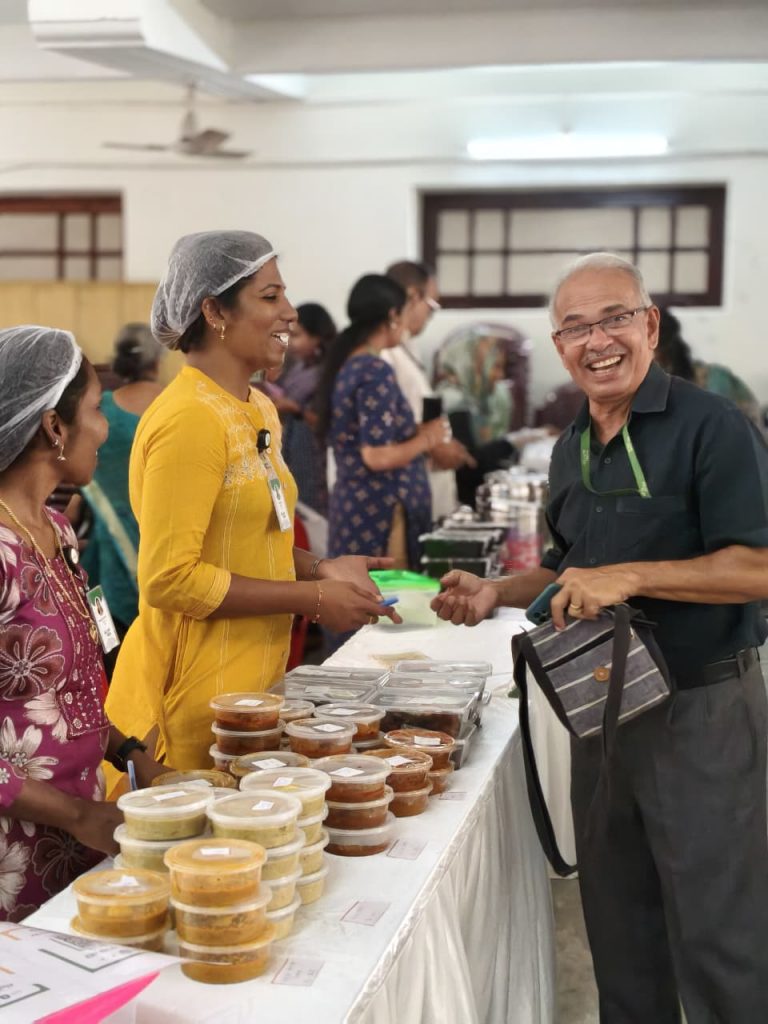
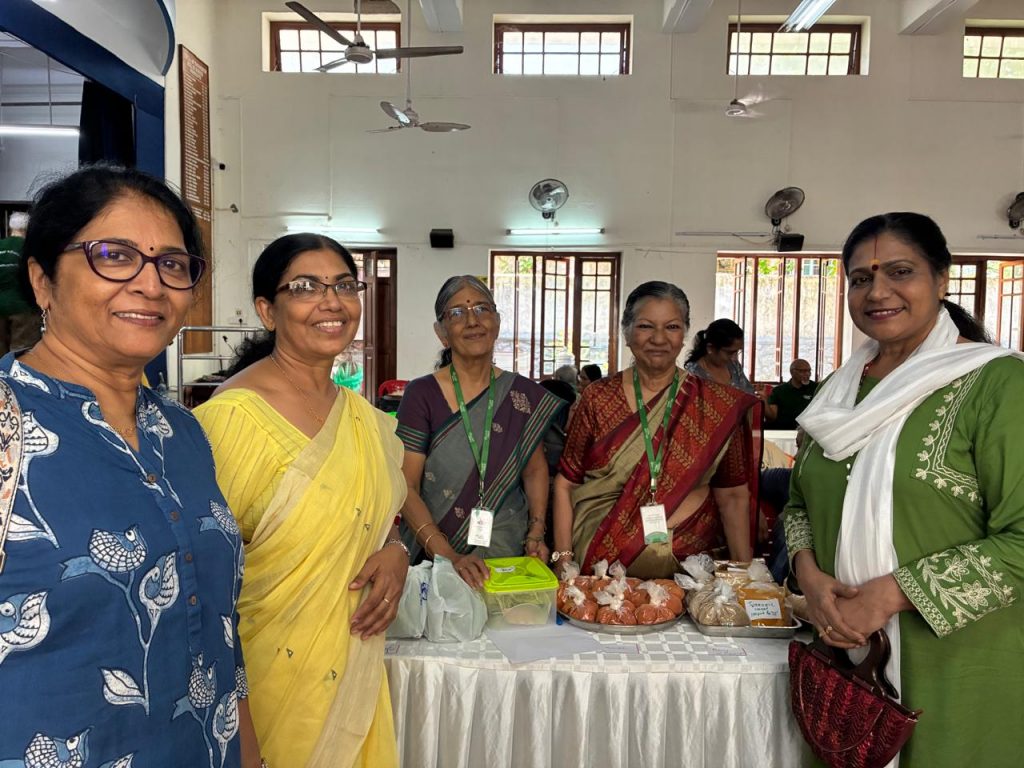
Held at the YWCA Hall, Spencer’s Junction, the fest witnessed a footfall of over 500 people across two days and raised an impressive ₹2.7 lakhs towards our ongoing palliative care initiatives. But numbers alone do not capture the spirit of what unfolded.
Ruchimela offered a wide and thoughtful range of food items including fresh vegetables and fruits, homemade powders, pickles, snacks, and full-course dishes, both vegetarian and non-vegetarian. Every item carried a story. Most were prepared at home by staff, volunteers, and even beneficiaries who chose to contribute their skills and labour as part of the fundraising effort. It was not commercial catering. It was community cooking with intention. Each purchase made at a stall translated into direct support for palliative care. The act of buying food became an act of solidarity.
Trivandrum Institute of Palliative Sciences (TIPS), Pallium India
| Beneficiaries reached till October 2025: | 31,682 | |
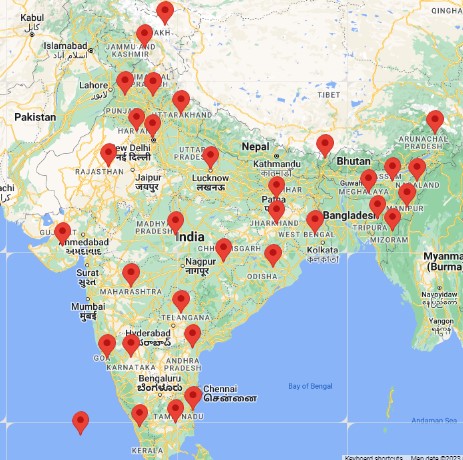
| Palliative Care centres / services catalysed: | 226 | |
| Stakeholders trained (virtual and onsite): | 13,214 |
International
India Giving Day 2026
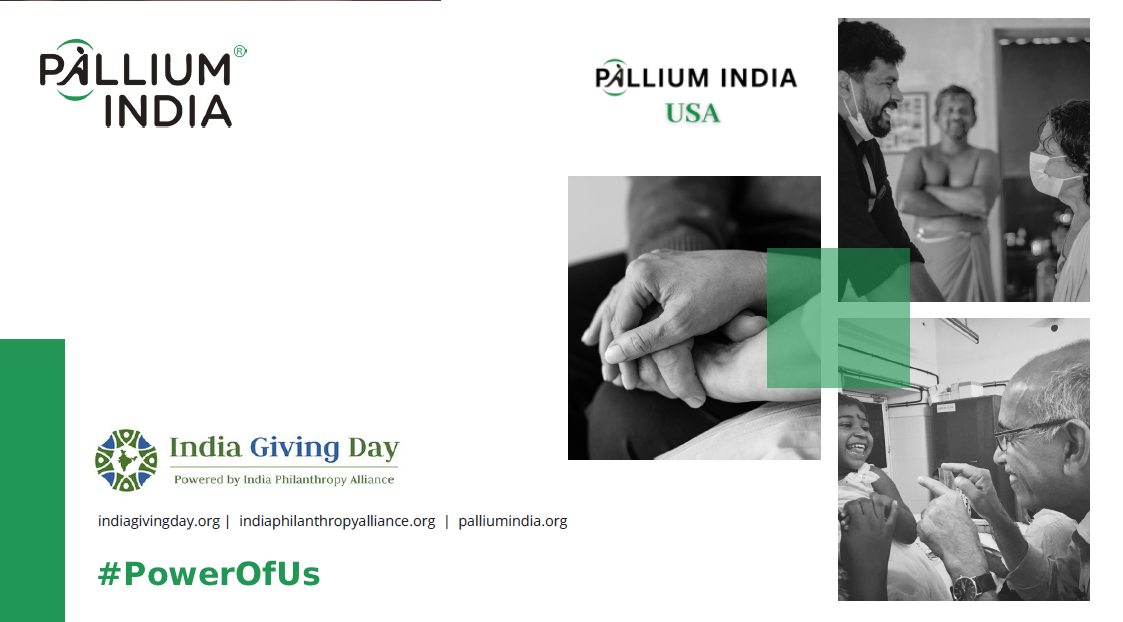
Pallium India USA in association with Pallium India is participating in the India Giving Day for the second consecutive time since 2025.
IGD 2026 promises to be more exciting, competing against 35+ NPOs and we invite you to be a part of this gala fundraising event rendering your valuable support to Pallium India USA.
How can you support:
– Start a Fundraiser Page
– Contribute
– Spread the word
Visit our page on India Giving Day. Donation window is now active. For queries or start a fundraiser, write to: [email protected]
#PowerOfUs
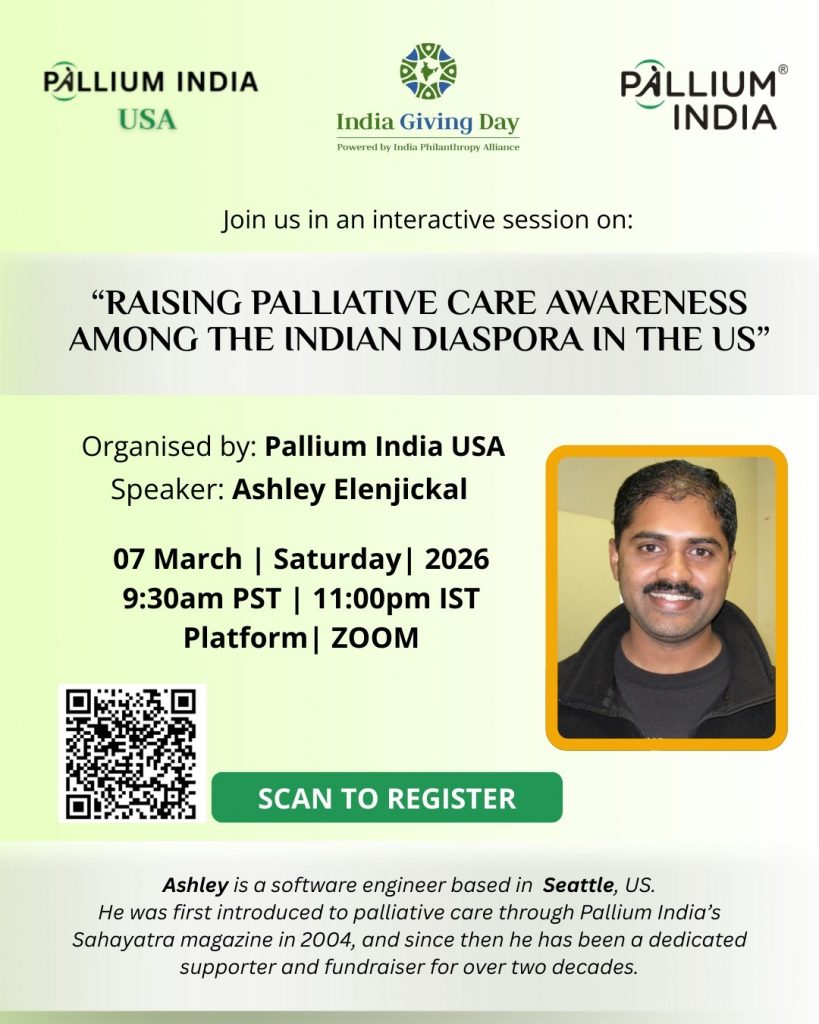
Pallium India USA presents : “Raising palliative care awareness among the Indian Diaspora in the US”. An interactive session hosted by Seattle resident and Pallium India’s volunteer Ashley Enjickal, a software engineer by profession. A perspective on palliative care in the USA from a non-healthcare professional and what it means to be a volunteer!
Date: March 07 | Saturday | 2026
Time: 9:30am PST | 11:00pm IST
Platform: ZOOM
Join this dialogue. Share.
An India Giving Day Initiative.
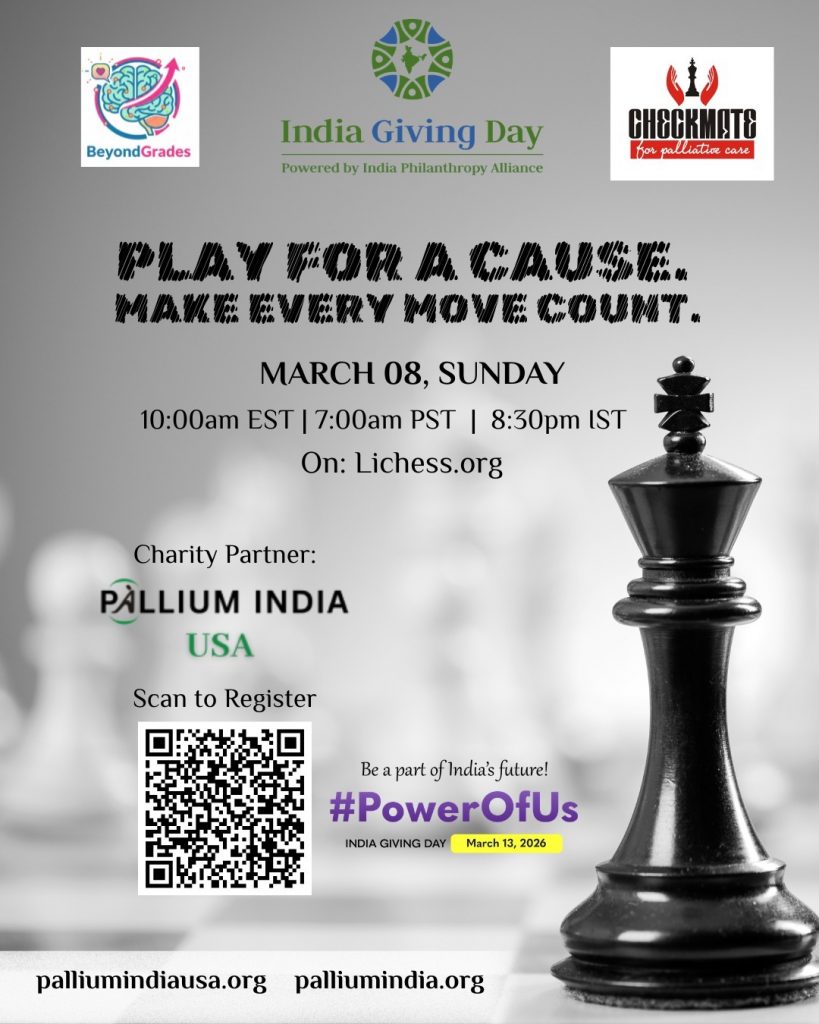
Checkmate for Palliative Care is now going Global! Thanks to India Giving Day! An initiative to promote awareness on palliative care and Pallium India on a global scale.
This International Women’s Day, Karina invites you to play for a cause, and make every move count.
Date: March 08 | Sunday | 2026
Time: 10:00am EST | 7:00am PST | 8:30pm IST
Platform: Online on Lichess.org
Tournament link to be shared 24 hours prior to the event. Share it with your chess enthusiast friends in India and the US.
For details, write to: [email protected] | #PowerofUs
Upcoming Events, Trainings & Conferences
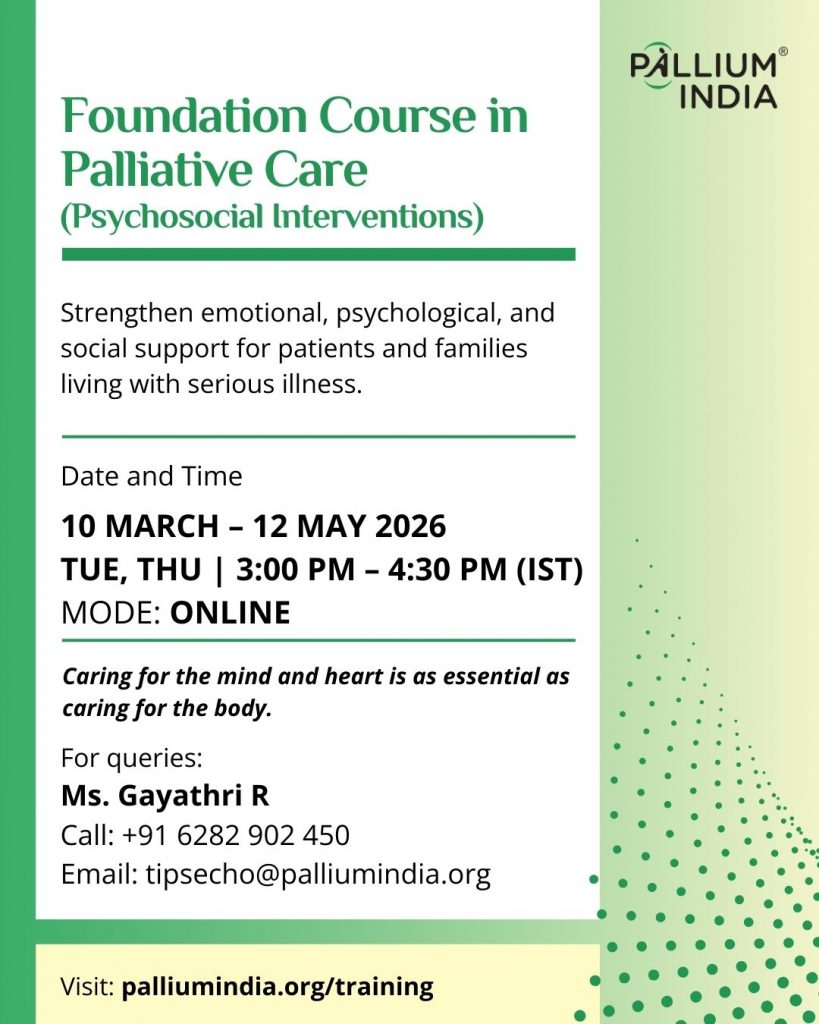
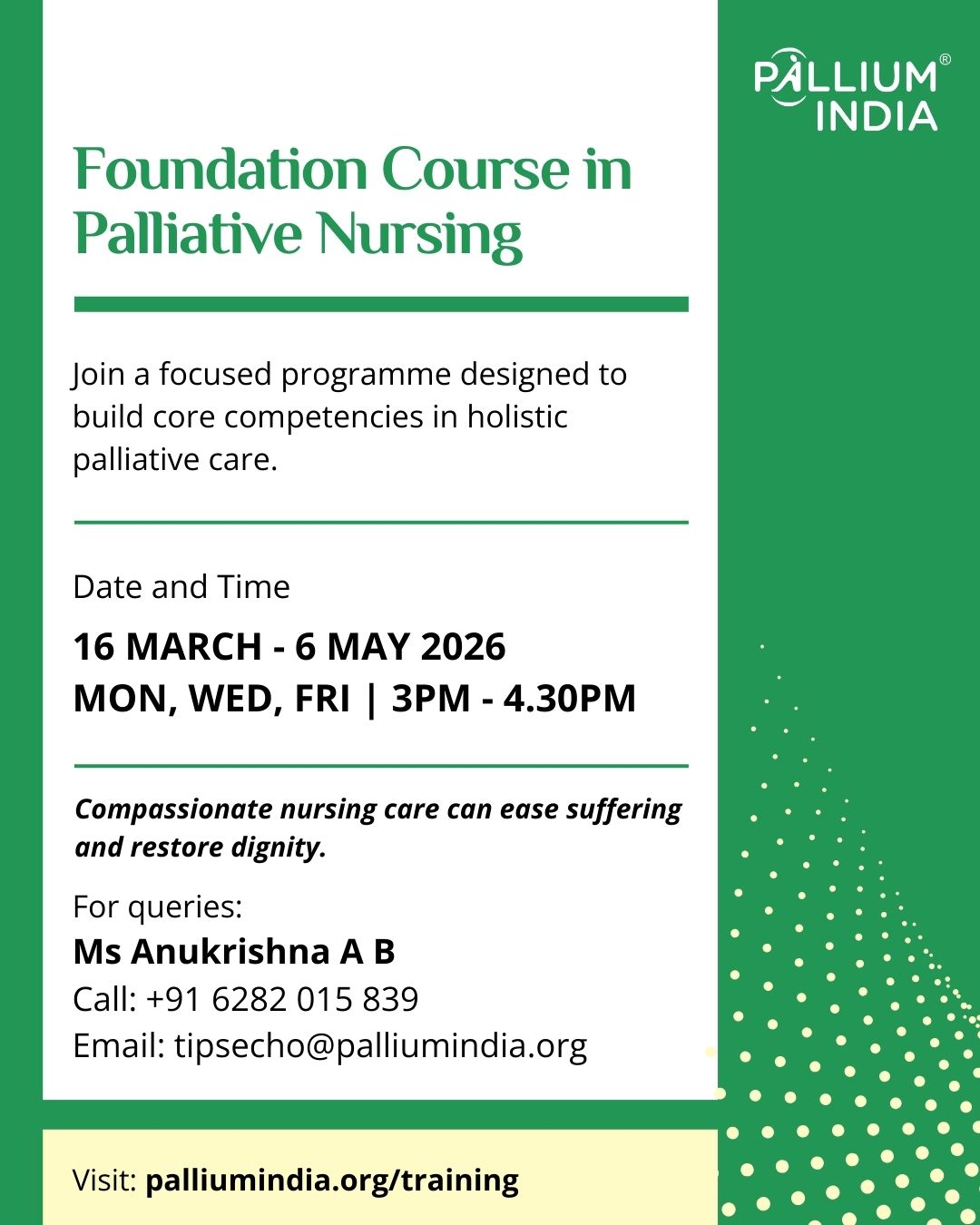
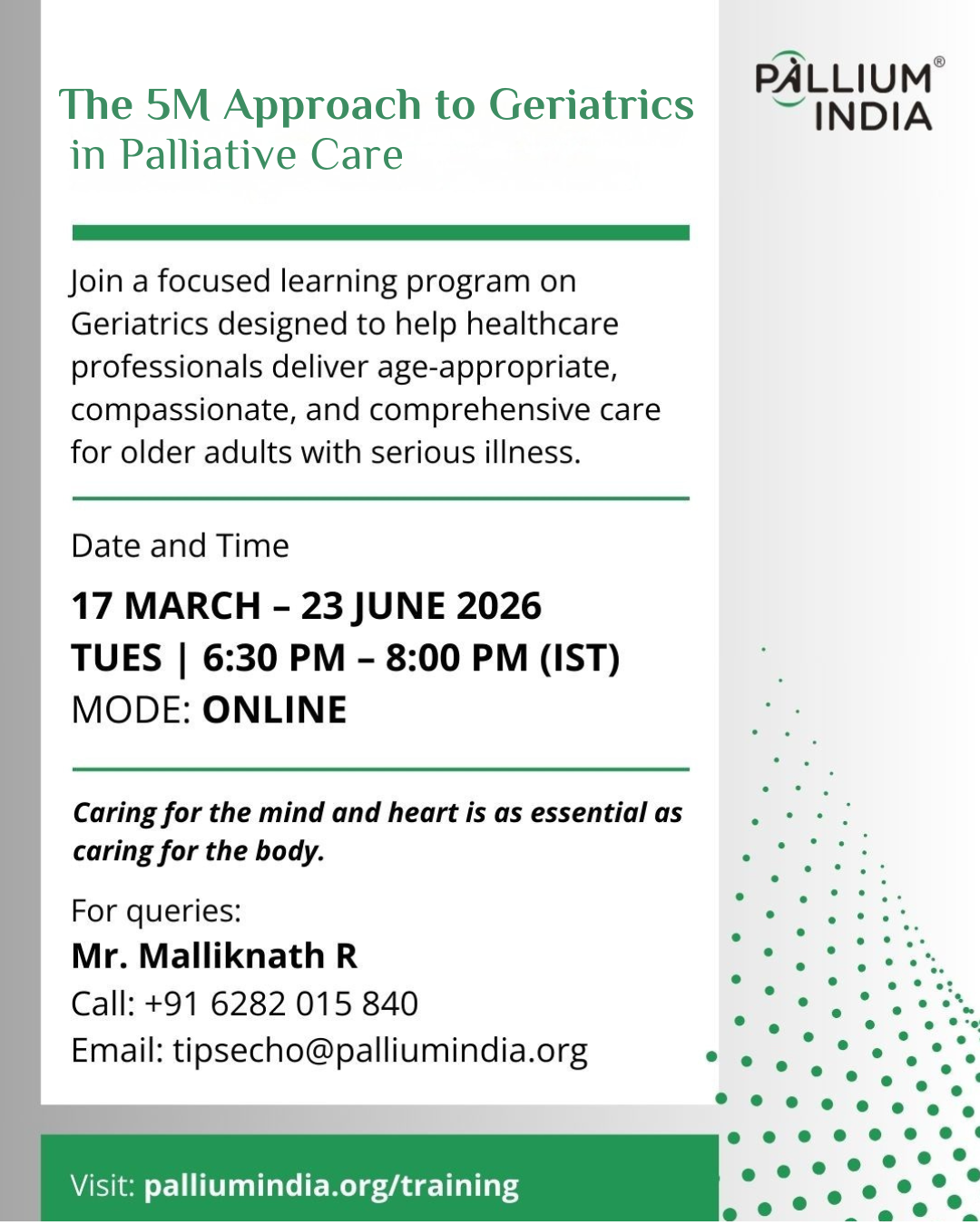

Click here to see our training and upcoming
courses Calendar for 2026
Openings
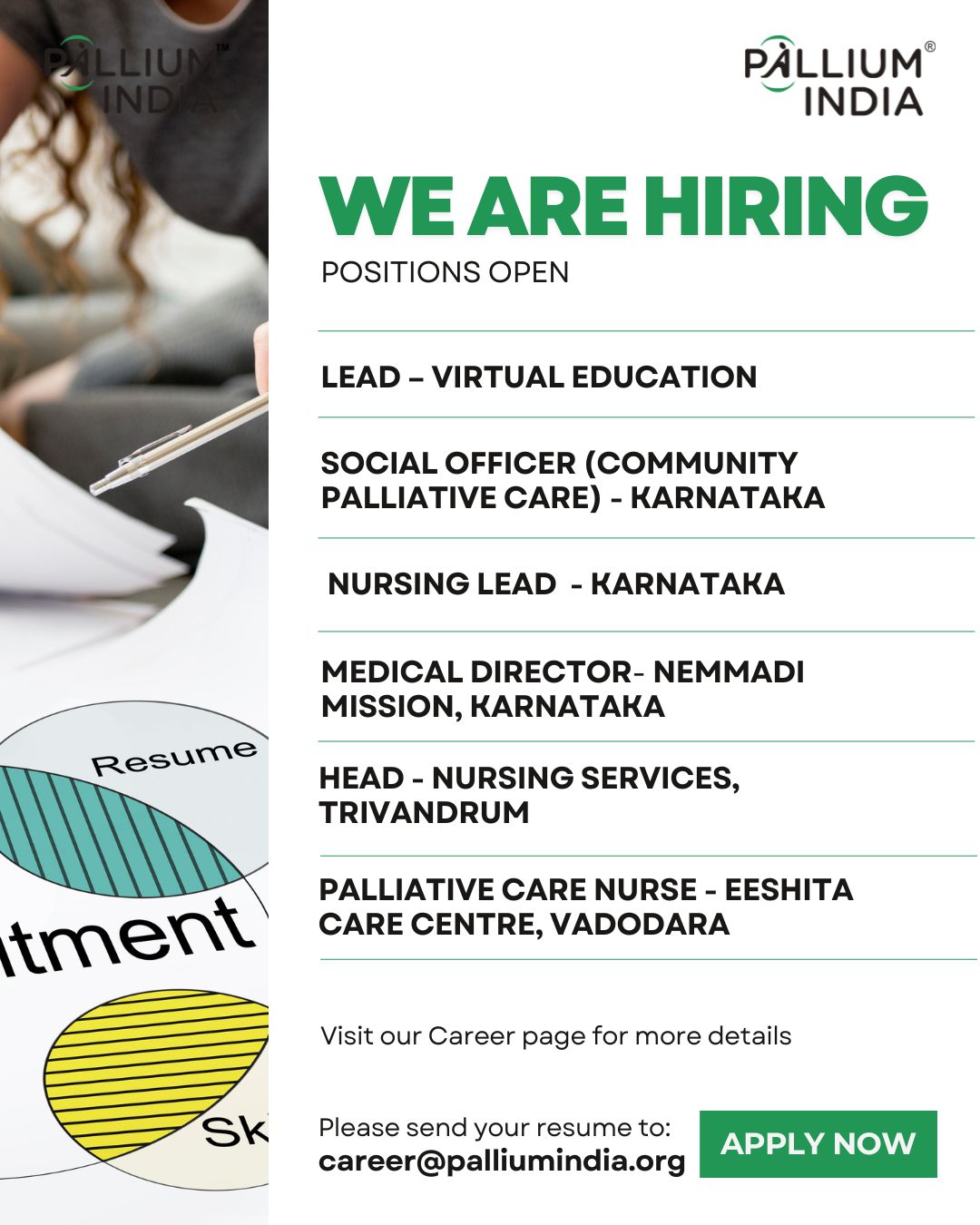
For more openings, visit our CAREERS page:
https://palliumindia.org/category/career
In case of queries, please write to us: [email protected]
Stay tuned for palliative care news, views and updates
Reports / News / Articles
Punjab Expo 2026 — A Momentous Step Towards Palliative Care Awareness
The two-day Punjab Expo, held at the Indoor Stadium on Pakhowal Road, Ludhiana, emerged as a powerful platform for dialogue, collaboration, and community-led action. Co-organised by the District Administration, Municipal Corporation, and City Needs, the Expo brought together over 70+ NGOs, CSR representatives, educational institutions, school leadership, and members of faith-based organisations — all united by a shared commitment to social impact and public welfare.
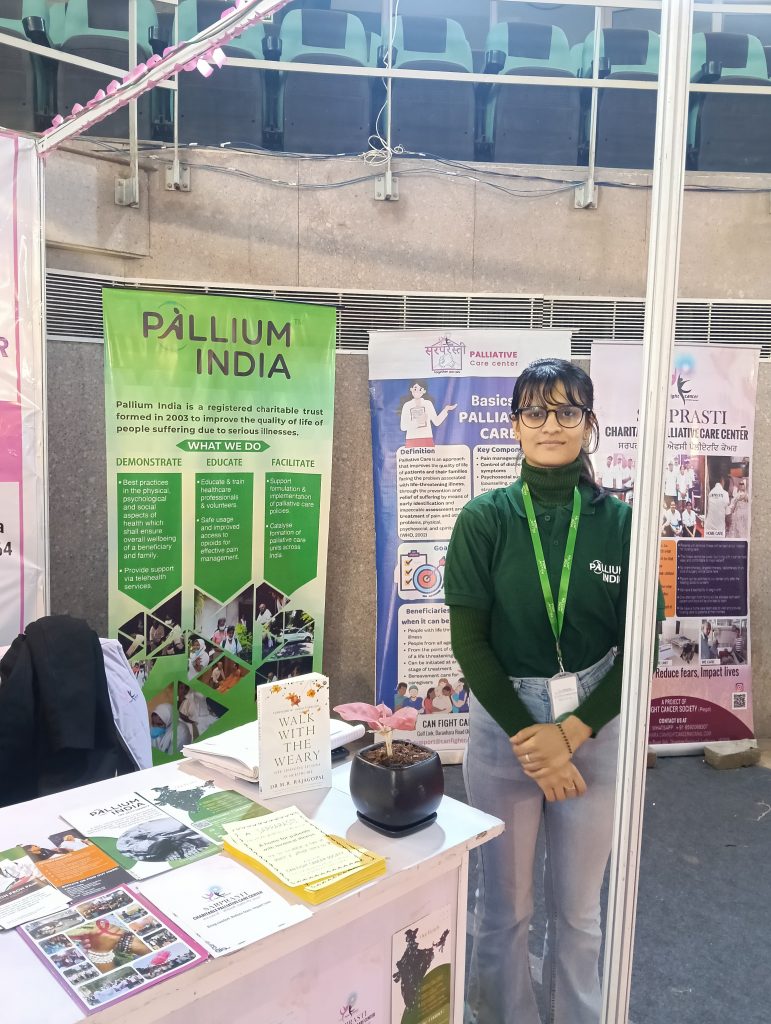
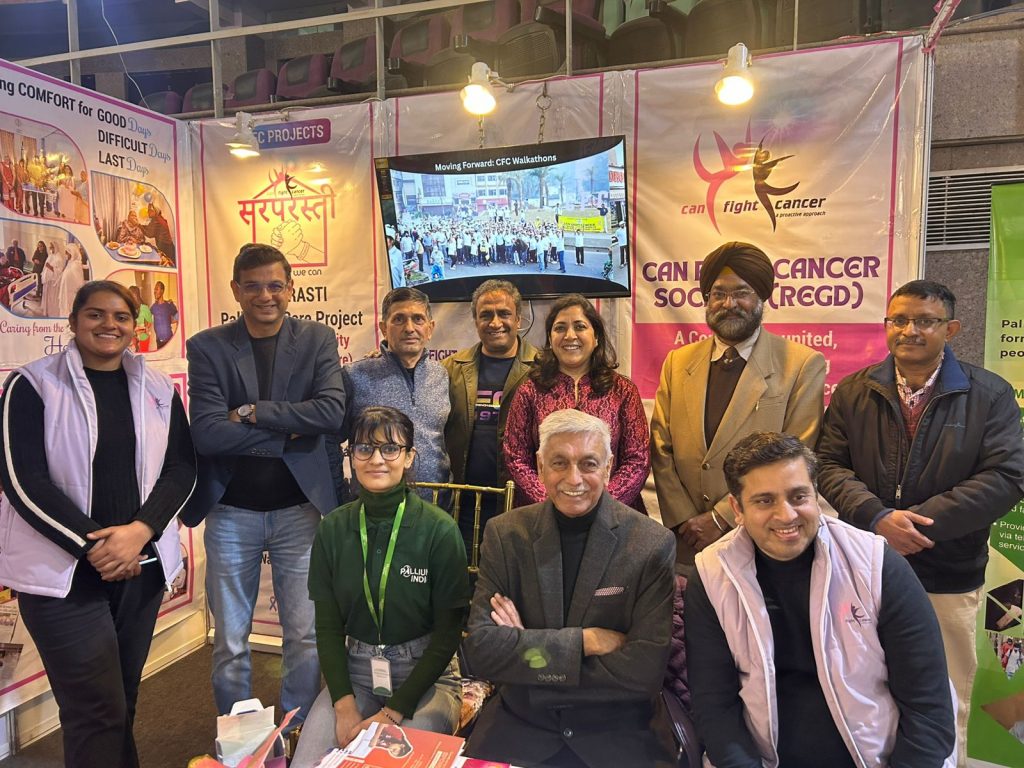
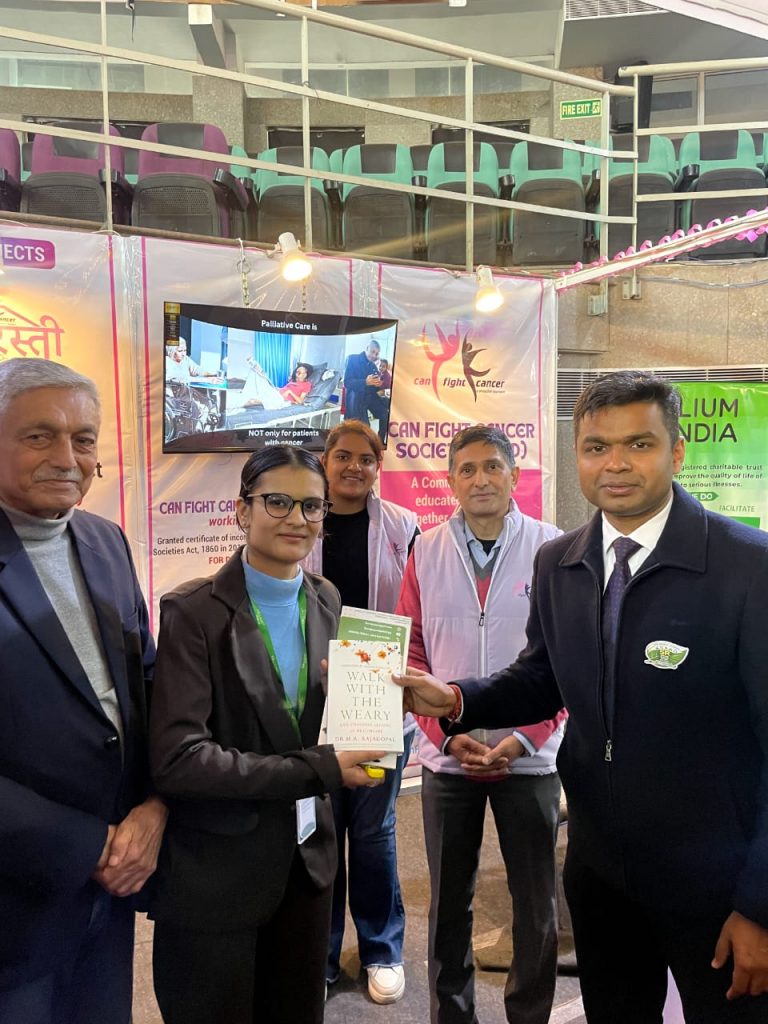
Among this diverse and vibrant gathering, Pallium India participated with a clear and compelling purpose: to advocate for greater awareness, accessibility, and expansion of palliative care services across the region.
Better Systems. Better Care. Better Lives.
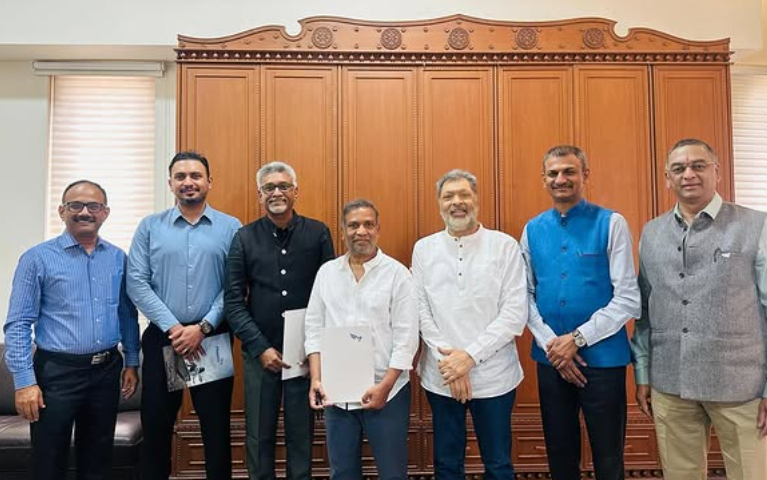
Pallium India Signs MoU With Phoenix Foundation
Pallium India has signed a Memorandum of Understanding (MoU) with Phoenix Foundation to strengthen and expand palliative care services in Telangana and Andhra Pradesh.
As the region faces growing challenges from chronic illnesses and an ageing population, this partnership marks a strategic step toward building stronger, more responsive systems of care. Together, the organisations will focus on structured planning, capacity building, and coordinated service delivery to ensure that people living with serious health-related suffering receive timely, compassionate, and comprehensive support.
By combining expertise and shared commitment, the collaboration aims to reduce pain, improve quality of life, and make palliative care more accessible across both states.
Better systems create better care. And better care changes lives.
Strengthening Social Work for Regional Transformation
Reflections from the Northeast Social Work Conclave 2026
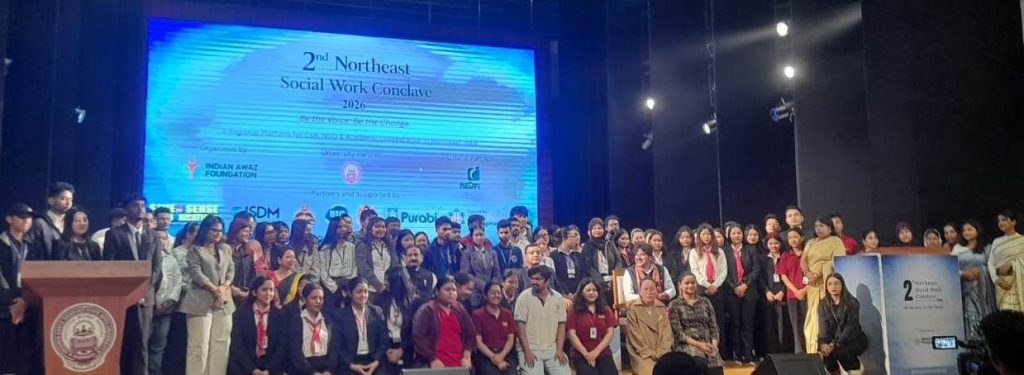
On 7th February 2026, the second Northeast Social Work Conclave was held at Krishna Kanta Handiqui State Open University (KKHSOU), Guwahati, organised by the Indian Awaz Foundation under the leadership of its Founder and Managing Director, Mr Md. Nazim Ahmed. The Conclave brought together academics, practitioners, NGOs, and students to deliberate on the evolving role of social work in shaping community development and regional transformation in Northeast India.
Glimpses from IAPCON 2026
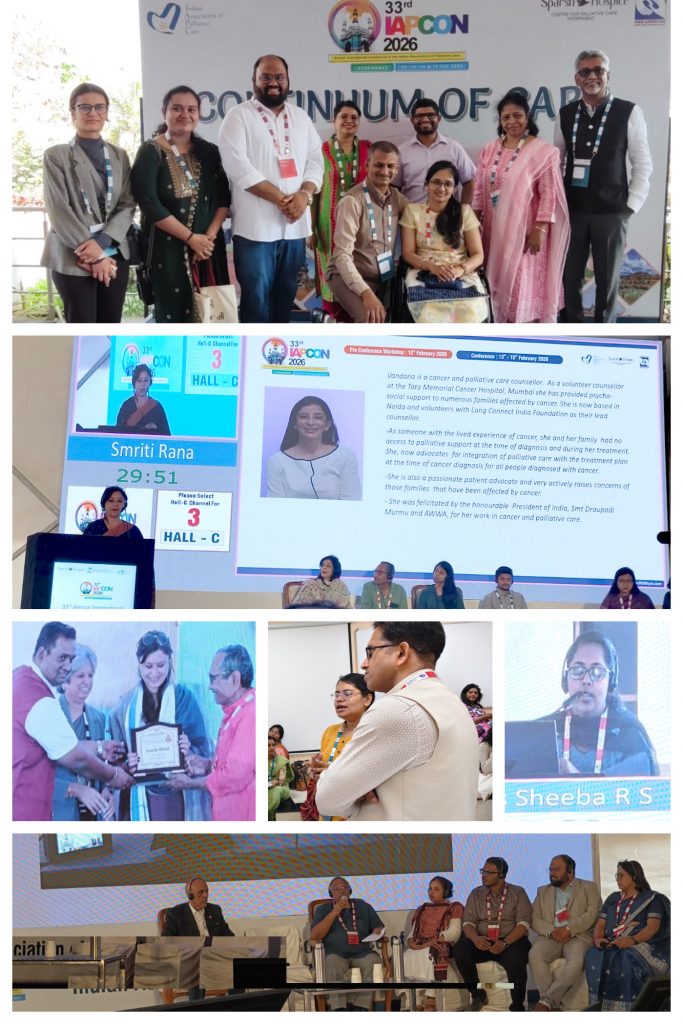
The 33rd Annual International Conference of the Indian Association of Palliative Care (IAPC), IAPCON 2026, was held at the National Institute for Micro, Small, and Medium Enterprise (NI-MSME), Hyderabad, from 13th to 15th February 2026.
This year’s theme, “Continuum of Care: Hospital, Hospice, and Home,” underscored the importance of seamless, comprehensive care across all stages of a patient’s healthcare journey.
The Pallium India team was actively represented by Dr. Arjun Devarajan, Smriti Rana, Sheeba Sister, Dr. Sangeetha, and others who contributed meaningfully across multiple segments, including panel discussions, workshops, and poster presentations, enriching both the academic dialogue and the practical exchange of ideas.
IAPCON 2026 reaffirmed the collective commitment of the palliative care community to build stronger systems and ensure that compassionate care reaches patients—wherever they are.
Shaping Assam’s Health Priorities
One Consultation, Many Voices, Stronger Impact
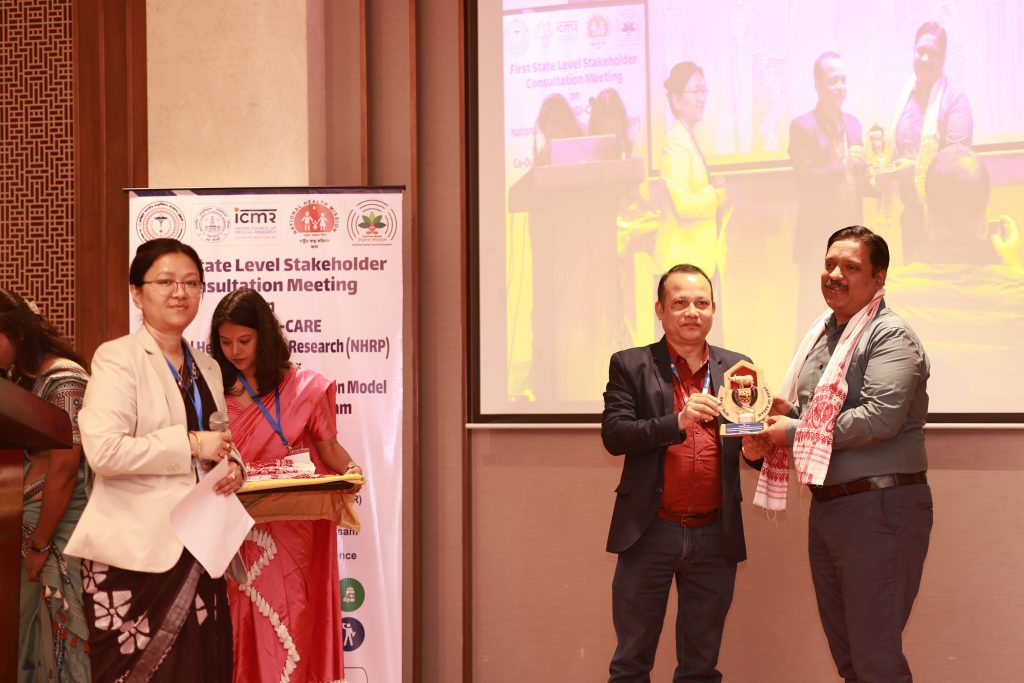
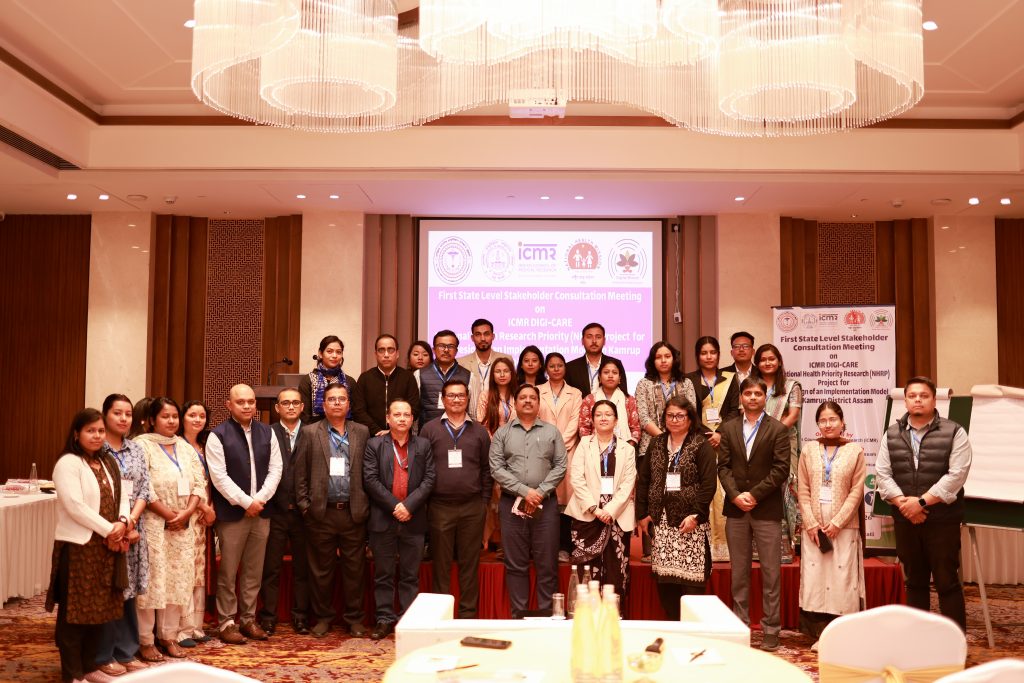
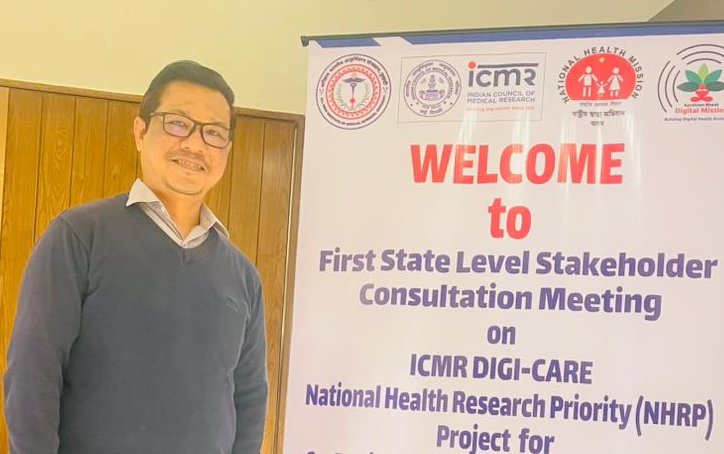
On 11 February 2026, I had the privilege of participating in the First State-Level Stakeholder Consultation Meeting organized by the Indian Council of Medical Research (ICMR) in collaboration with NHM Assam and AIIMS Guwahati.
The consultation was a full-day engagement, bringing together senior officials, doctors, and institutional leaders to deliberate on strengthening health systems and advancing responses to Non-Communicable Diseases (NCDs).
Video of the Month
India Giving Day 2026
India Giving Day (IGD) is a global annual day of giving that brings together donors, nonprofits, community leaders, and changemakers to support India-based organisations.
This year, IGD is happening on 13th March and early donations open on 1st March.
Subscribe to Pallium India’s YouTube channel for videos related to palliative care and our activities. You can watch previous webinars and training sessions, as well as listen to caregivers, survivors and others sharing their experiences.
Join us in making India pain-free! Subscribe to our newsletter for updates.
Book of the Month
All The Leavings
In this nonlinear, loosely chronological memoir, Laurie Easter deftly navigates the rugged terrain of living off the grid in rural southern Oregon, along with the many hazards of the human heart. In quiet, searching, and sometimes experimental essays, she bravely explores the liminal spaces between guilt and forgiveness, life and death, grief and love, human society and the natural world.
Whether recounting the home birth of her second child, encounters with cougars, the fraught dynamics of mother-daughter relationships, the destructive power of wildfires, or the community bonds challenged by a tragic suicide, Easter’s writing is firmly grounded in place. She takes readers deep into the heart of a still-wild Oregon, perilous yet rich with natural beauty.
Written from one woman’s perspective as a mother, wife, and friend, All the Leavings is ultimately a book about love—for the child who faces a health crisis, for the friend dying of AIDS, for the one entangled by addiction who then disappears. Long after the final page is turned, it will resonate with readers interested in essays, memoir, alternative lifestyles, and the literature of the West.

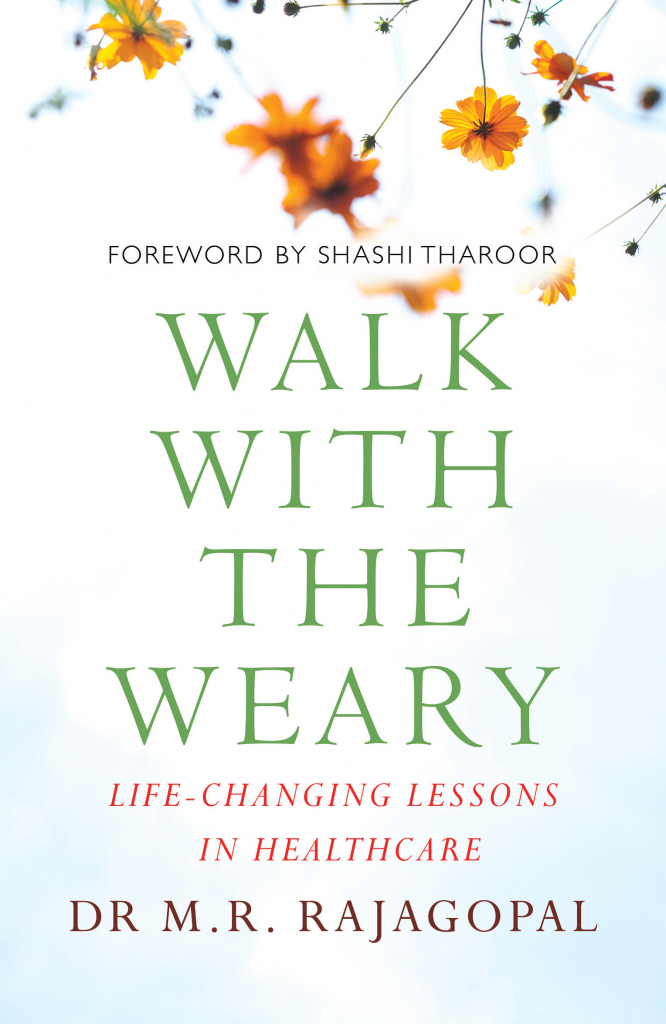
Walk with the Weary – by Dr M R Rajagopal
A masterclass in how to care for others deeply and compassionately no matter who they are, Walk with the Weary is simultaneously the story of Dr Rajagopal’s life and his calling and the world of Indian palliative care.

Palliative Care Telehealth
Call us: +91 964 588 4889 /
+91 860 688 4889

Parting Shot
The Practice of Love in Palliative Care
By Dr Susan Crozier
Published in the Journal of Contemporary Narrative Therapy, 2021
I am a collector of stories and story fragments. I love language and ideas. I love little stories about finding gold in the dirt, about discovering joy in the midst of despair. I love scraps of stories and scrappy stories and stories about scrappy misfits and rebels, people who have had to work to make a possible world for themselves. I love what I call “the rag and bone people” who have fashioned a life out of what seems like rubbish to other people. Maybe, in these stories and story fragments, the circumstances don’t change, but the ability to see things differently happens. The work of making a possible world for the self has been a preoccupation of mine for many years (Crozier, 2004; Crozier, 2018).
To be able to ask the kind of questions that give people more space to discover new answers, I
believe that you need to keep a lively catalogue of enabling stories or fragments in your own mind. For example, when is so-called laziness actually sagacious waiting, or resting, or going inward for a personal sort of wintering, like a bud in the ground, or a kind of creative replenishment?
Read more>>

Pallium India Newsletter: Global Communications Partner
For weekly news from around the world for everything to do with hospice and palliative care: Register Here
Follow us on Social Media for updates
Contact us: [email protected] / 97467 45497
Thank you for reading our newsletter. Read previous issues here
Don’t miss any updates! Subscribe to receive our monthly newsletter via email:
https://palliumindia.org/newsletter
Have feedback? Let us know. Write to us: [email protected]