
Beyond Resilience: Why Systems Must Support Women Caregivers
Every International Women’s Day, we celebrate strength and resilience. Yet, it’s time to move beyond applause and ask a deeper question: Why is resilience a requirement—especially for women in caregiving roles?
Caregiving—especially in health and palliative care—is often hailed as a feminine attribute. Yet women are not innately better caregivers; they are simply expected to be. This expectation is structural, social, and historical—the result of systems that assign women disproportionate responsibility for unpaid care work, both at home and in communities.

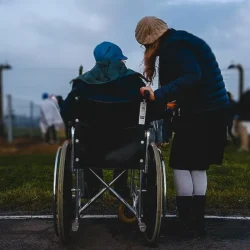
Caregiving rarely announces itself but seeps into life until daily routines, careers, and personal aspirations reorganise around someone else’s needs. When a family member falls ill, the question is rarely who will care? but which woman will. A daughter, a wife, a sister, a daughter-in-law—she becomes the default. But this narrative hides the structural expectations that push women into unpaid, under-supported roles of emotional and physical labour. To build justice and equity, we must shift focus from heroic individuals to the systems that shape caregiving itself.
(Image: ‘Cheluvi’ – Painting inspired by Kannada folk tale)
Recognising the Unequal Burden of Care
Care work is overwhelmingly performed by women—a fact supported by global evidence. According to the International Labour Organization (ILO), unpaid care responsibilities prevent an estimated 708 million women* from participating in the labour market, limiting economic opportunities and reinforcing gender inequities.
Beyond physical tasks, women shoulder the invisible emotional labour of caregiving: anticipating needs, mediating care decisions, and absorbing distress. This work is rarely counted as labour, yet it underpins the functioning of families and health systems alike.
Care is Essential Work — and It Must Be Valued
Caregiving is not a “soft skill”—it is labour. But most public discourse still treats it as intuitive or voluntary. Research in feminist economics highlights that unpaid care work remains largely invisible in formal economic systems, despite its indispensable contribution to human wellbeing and social reproduction.**
When care is framed as personal sacrifice rather than essential work, policies fail to recognise or support caregivers, leaving women socially vulnerable and economically marginalised.
Care as Justice: Reimagining Responsibility
If caregiving is foundational to human dignity and health, then responsibility for care must be shared across society — not delegated to women by default.
A just approach would include:
- Shared caregiving roles within families, regardless of gender
- Public investment in community-based care infrastructure
- Social protection mechanisms for informal caregivers
- Workplace policies that accommodate caregiving responsibilities
- Care must be reframed from a private duty to a public priority.
Who Cares for the Caregiver?
The emotional labour embedded in caregiving cannot be separated from burnout, stress, and social isolation. Women often internalise responsibility for emotional support, even when resources are lacking. Caregivers need more than appreciation; they need respite support, mental health resources, economic safeguards, and institutional recognition.
Calling women “natural caregivers” strips caregiving of its skills, effort, and labour value. Care work involves negotiation with health systems, coordination of services, emotional regulation, and often financial management. These are competencies deserving of recognition—both socially and economically.
The central question becomes not whether women can endure caregiving, but whether they should be expected to do so without support. True agency means having choices: the choice to care, to share care, to step back, and to be supported in the process.
Moving Beyond Hero Narratives
This International Women’s Day, let’s move away from narratives that celebrate endurance without challenging the conditions that create it. Honouring women through policy, protection, and systemic recognition of care work is a step toward justice—not merely a celebration of resilience.
Care is essential work.
And justice begins when those who give care are also cared for.
————————-
References:
* https://www.ilo.org/resource/news/unpaid-care-work-prevents-708-million-women-participating-labour-market
** https://link.springer.com/chapter/10.1057/9781137558985_5