
What Punch the Monkey Taught Us
Addressing Loneliness in Palliative Care and the Importance of Presence
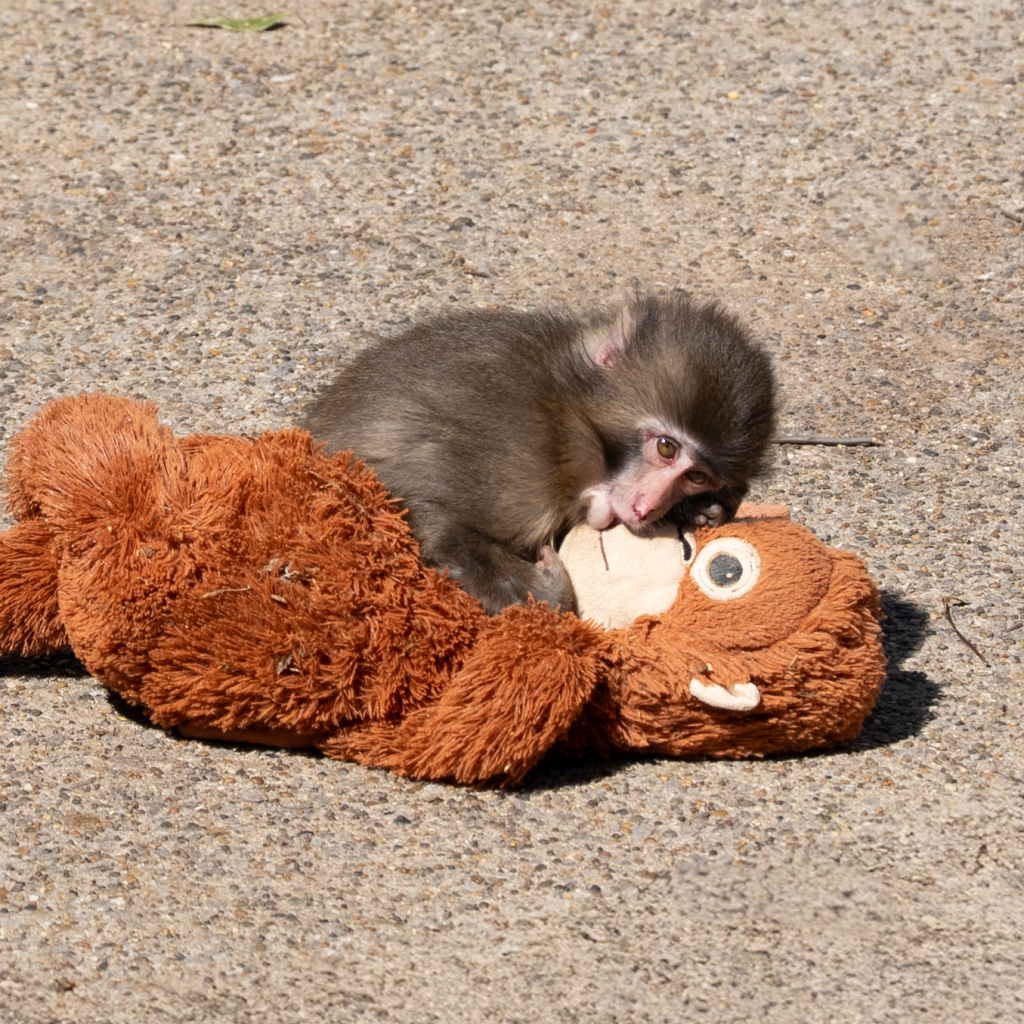
Last two months, the internet has been flooded with the image of a little monkey holding on tightly to his orange orangutan toy, carrying it everywhere and cuddling it for warmth and comfort.
This is the story of Punch, a baby macaque born at Ichikawa City Zoo in Japan and abandoned by his mother shortly after his birth. Abandoned by his mother and the clan, Punch was left alone to navigate the world that lay in front of him. Seeing how Punch was slowly becoming an outcast and had no one to tend to or care for him the caregivers of the zoo gave him an orangutan plushie. Thereafter, this one inanimate toy became Punch’s mother and companion. Millions were moved by the sight of Punch finding his warmth in a toy that could not breathe, speak or respond.
The story of Punch is more than just a viral moment. It mirrors our own human experiences and how presence matters. To Punch, the toy was not merely an inanimate object it was presence and something he could hold onto in his loneliness, and for Punch that was enough.
Loneliness in Palliative Care
Loneliness in palliative care is an important point of discussion. For patients suffering from life threatening illnesses loneliness is often an uninvited companion. When life shrinks into a hospital room, where conversations grow shorter and the life they once knew starts to be unfamiliar, isolation and lack of companionship often worsen symptoms, trigger anxiety and magnify pain.
Just like Punch, the need for companionship and presence of loved ones reflects the emotional needs of every individual. Hence, addressing the effect loneliness and isolation has on patients undergoing palliative care is as important as managing pain.
• Importance of presence: Just like in Punch’s story, in palliative care the volunteers, caregivers and nurses are symbolic to the orangutan toy. How something like a gentle touch can ease the ache of isolation and words of affirmation and kindness can heal more than medicines.
• Symbols of care: Small gestures like holding the patient’s hand, a light tap on the shoulder, shared laughter, listening without judgment and kind words matter and helps remind patients that they are not alone. Even moments of shared silence can break the grip of loneliness.
• Caregivers as companions: Caregivers and volunteers collectively with support of family members, friends and doctors can be healers of loneliness and isolation. Through their care and service, they can help patients feel seen and valued.
• Breaking myths: Palliative care not just end of life care or just for patients with life limiting illnesses but, is comprehensive care and support on medical, emotional, social and spiritual levels centred around compassion and love.
Combating loneliness and isolation, the two very elements that should not be ignored in end-of-life care is a practical challenge. But as human beings, we are social creatures and the truth is, medical care is often not enough, and the story of Punch and his orangutan toy companion is a reminder to treat with empathy and care but most importantly, to just be present.

Teresa Rose Joseph
Final Year MBBS, Christian Medical College, Ludhiana