

Report of Community Listening Session on Home-Based Palliative Care in Karnataka
Organised by Pallium India – Karnataka Mission
Introduction
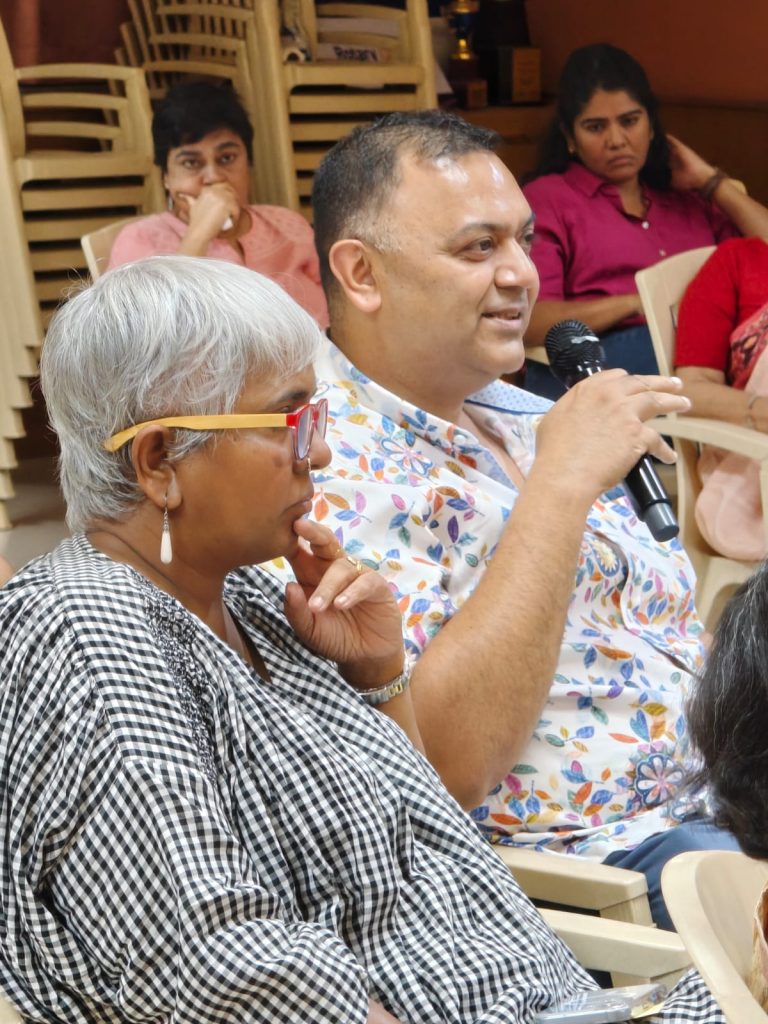
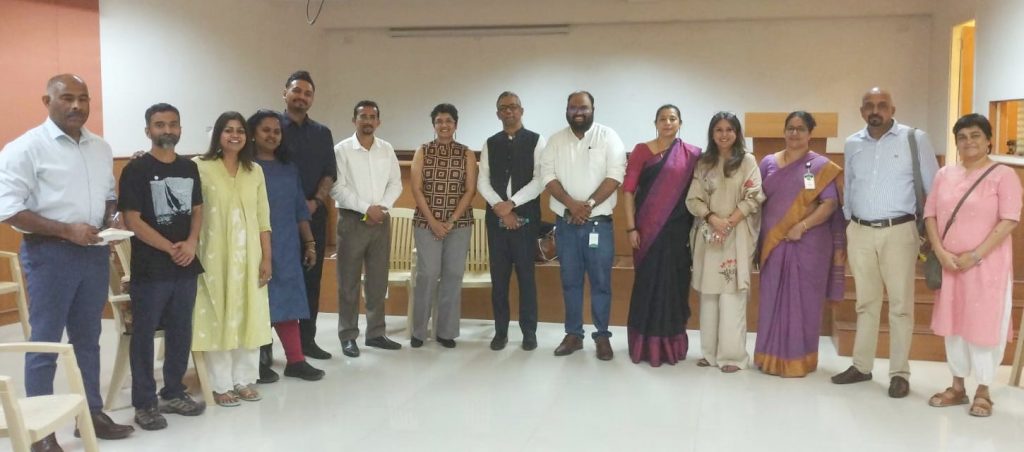
A community listening session on home-based palliative care was conducted as part of Pallium India’s Karnataka initiative to understand the lived experiences, needs, challenges, and expectations of caregivers and families caring for loved ones with serious illness at home. The session aimed to gather meaningful insights that would help shape Karnataka’s evolving home-based care model into one that is compassionate, practical, community-driven, and responsive to real needs.
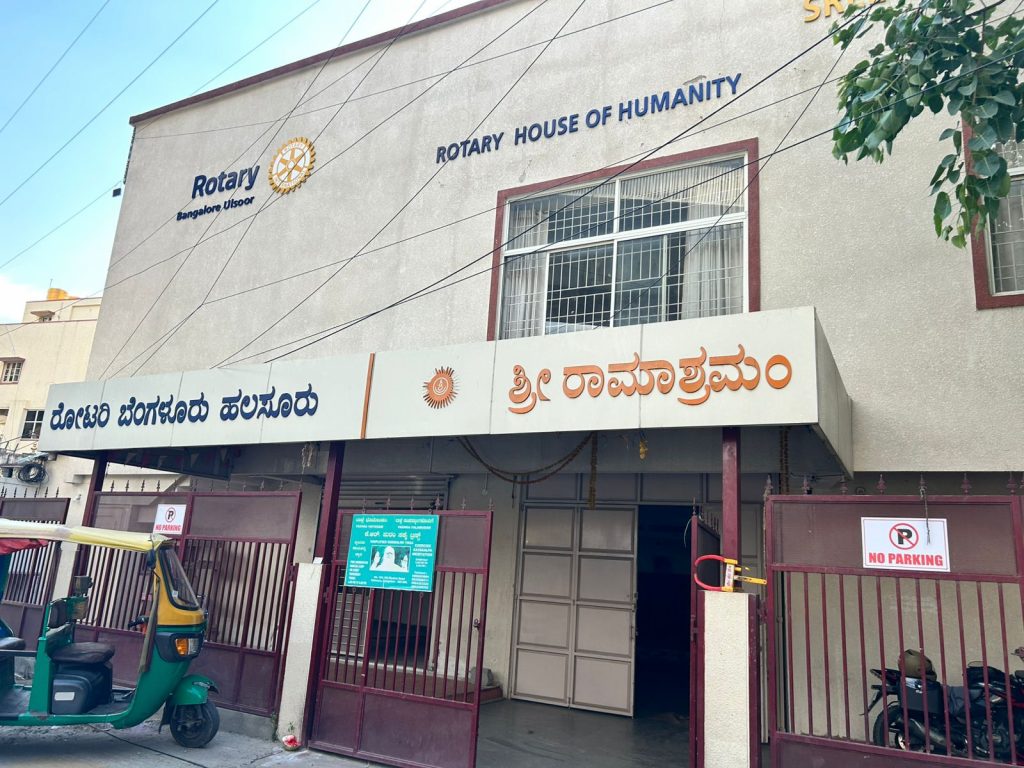
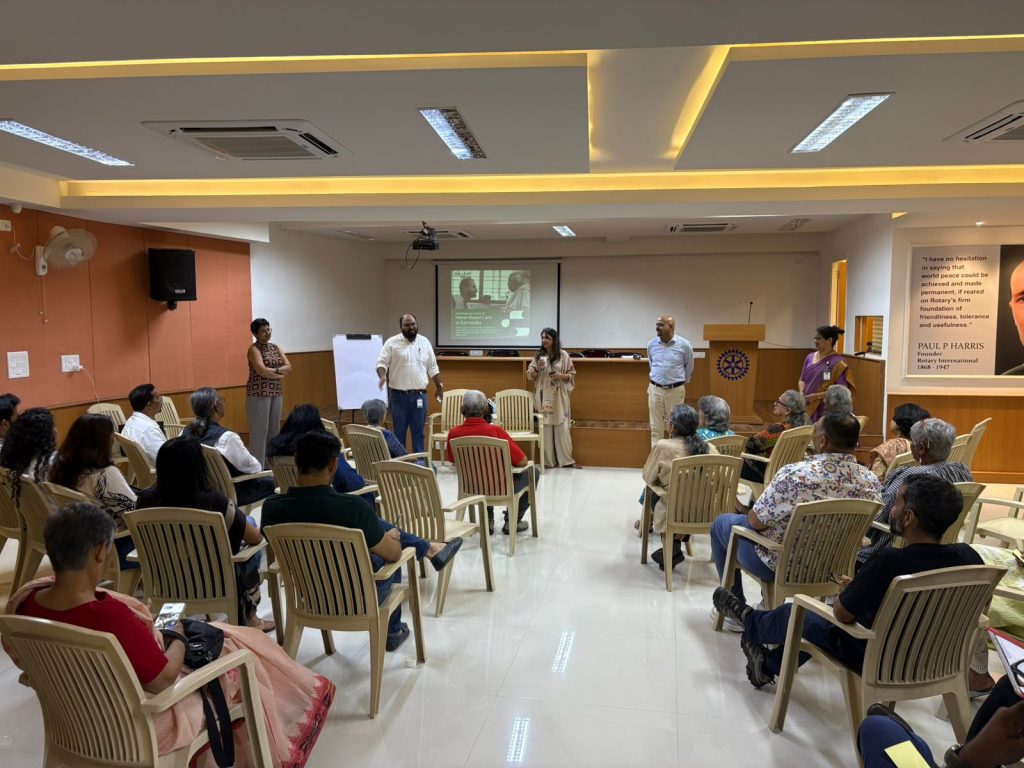
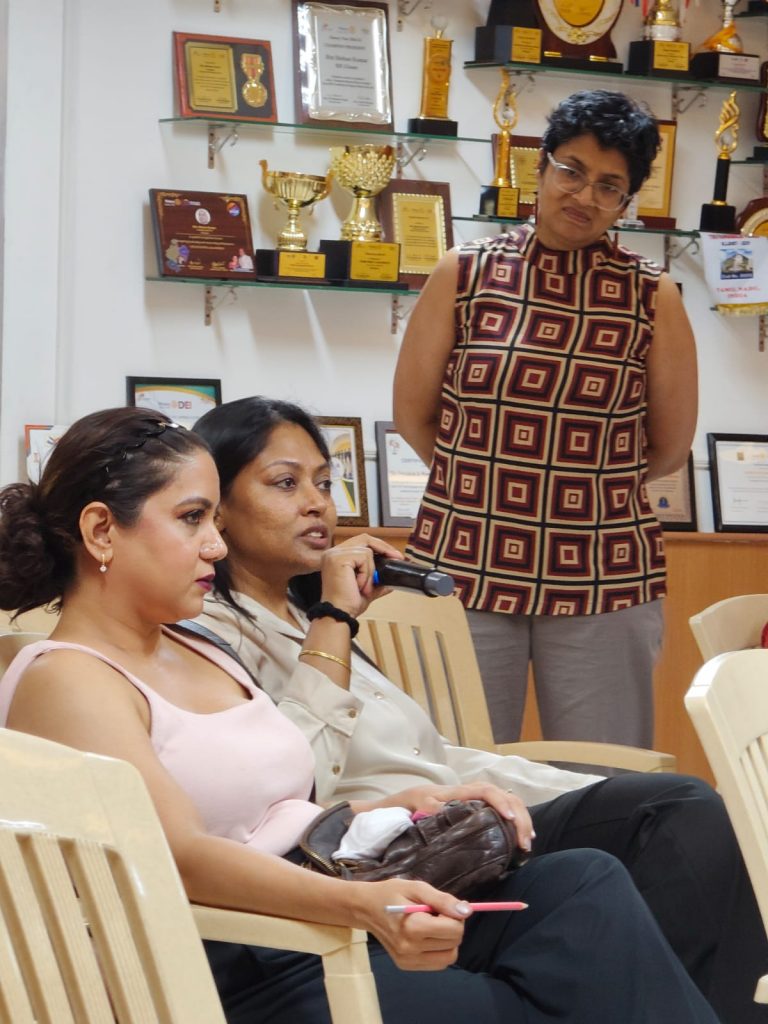
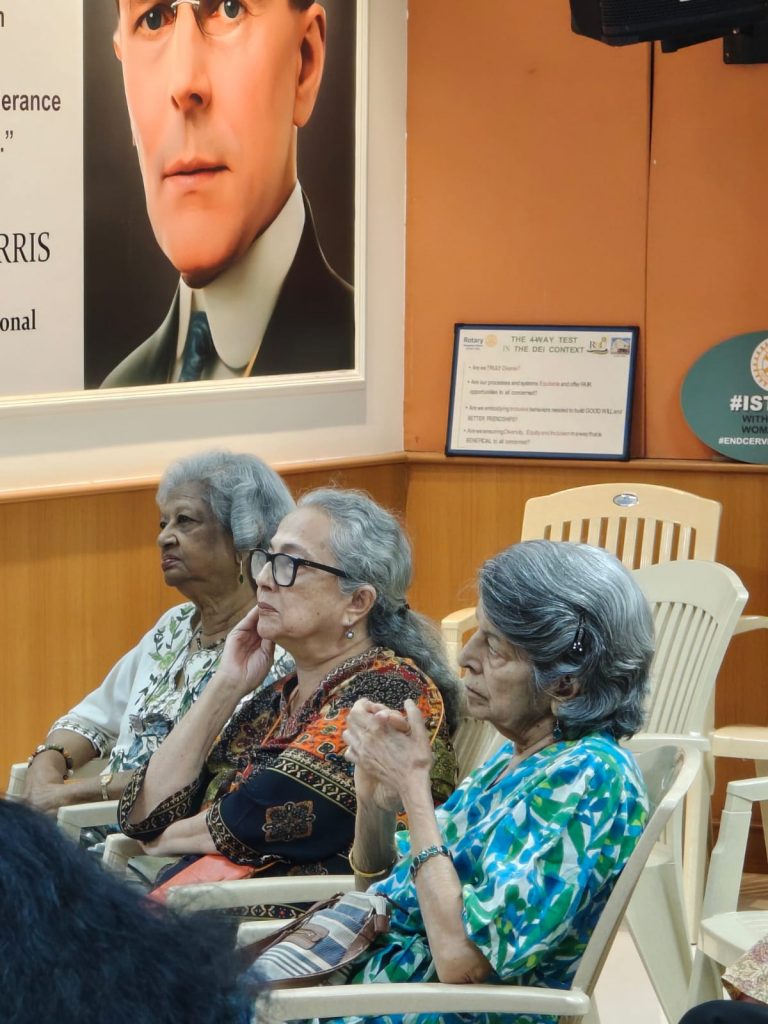
The session led by Ms. Smriti Rana and Dr. Rajni Bhatt witnessed active, sincere, and emotionally rich participation from individuals across various age groups, professions, caregiving backgrounds, and lived experiences. Participants included caregivers of patients with cancer, chronic neurological illnesses, renal disease, Down syndrome, ALS, severe infections, and other long-term conditions. Despite differences in backgrounds, all participants shared the common experience of having cared deeply for someone they loved.
The session was highly engaging, reflective, and fruitful, with open conversations that highlighted both the strengths and gaps in current systems of care.
Opening Reflections on Palliative Care
The session began with participants being asked to describe palliative care in one word or phrase. Responses included peaceful end, reassuring, pain relief, end-of-life care, and not just the patient alone.
This opening discussion naturally led into an important conversation on myths surrounding palliative care. Facilitators clarified that palliative care is not limited to end-of-life care alone, but is relevant across different stages of serious illness. The discussion explored the various phases of palliative care, the concept of total pain, and the importance of addressing emotional, social, psychological, and spiritual suffering alongside physical symptoms.
A meaningful debate also emerged around societal perceptions that palliative care should only be free, is meant only for poor people, or is solely the responsibility of the government.
The Caregiver Journey
Participants were then asked to describe their caregiving journey in one word. Responses reflected profound emotional burden and complexity: frustrating, never-ending, fear, guilt, second-guessing every decision, and anger.
One mother caring for a 12-year-old child with chronic illness described constantly “living in fear.” Another participant spoke about anger towards relatives who criticised caregiving decisions without understanding the realities involved. A daughter caring for her mother admitted feeling guilty for expressing negative emotions because caregiving is culturally considered a sacred duty.
A recurring theme throughout the session was the disproportionate burden carried by women caregivers. Many participants discussed the silent pressures placed on women to continue caregiving without complaint, despite emotional exhaustion and conflicts regarding their own future, identity, and life goals.
One daughter described how her father, previously perceived as strong and emotionally reserved, became child-like during illness, resulting in a profound role reversal and deeper emotional connection within the family.
Another participant caring for a sibling with Down syndrome reflected on how many relatives gradually distanced themselves during prolonged caregiving responsibilities. One emotionally moving account described a mother praying that her son with severe disability would die before her, out of fear that nobody would care for him after her death.
Experiences with Healthcare Systems
Several participants shared difficult experiences with hospitals and healthcare systems, especially during advanced stages of illness.
Participants recounted experiences of hospitals refusing continued care in advanced illness, inadequate symptom management, poor transitions from hospital to home, lack of communication, and families feeling abandoned during critical moments.
One daughter caring for her father with advanced stomach cancer described the distress surrounding loose stools, dependence, falls while attempting to use the toilet, and eventual restraint to the bed during end-of-life care in hospital.
Another caregiver of a patient with chronic kidney disease described repeated refusals of care in advanced stages, uncontrolled pain, internal bleeding, and severe bed sores.
Dr. Rajni Bhat reflected on the urgent need to strengthen medical education and improve future generations of healthcare professionals in communication, home-based care, and holistic support. The importance of rehabilitation and supplementary therapies was also discussed.
Information and Support Needed
Participants reflected deeply on what information they wished they had received earlier. Key areas identified included available treatment and care options, when and how to shift from hospital to home care, training for caregivers, expectations during disease progression, symptom management, and financial planning.
Financial concerns emerged strongly, including lack of insurance coverage, escalating medication costs, procedural expenses over prolonged illness, and financial burnout over years of care.
Shared Decision-Making and Community Role
The session explored the complexity of shared decision-making within families. Participants discussed how, despite women often being the primary caregivers, their opinions are frequently ignored during medical decisions.
Dr. Rajni Bhat emphasised the importance of introducing palliative care early in illness trajectories to support communication, clarify goals of care, and improve shared decision-making processes.
Ms. Smriti Rana highlighted the critical role of community participation in improving awareness, supporting caregivers, and creating compassionate neighbourhoods.
Meaning of Good Home Care and Dignity
Participants described dignity in care as maintaining autonomy, performing activities of daily living independently for as long as possible, staying in one’s own environment, retaining one’s role within the family, and having one’s preferences respected.
When asked what good home care in Bengaluru should look like, participants highlighted accessible and knowledgeable care teams, availability during emergencies, continuity and consistency, preventive care, caregiver literacy, and reliable support systems.
Participants valued direct access to healthcare providers, respite care, empathic communication, autonomy, and honest preparation about what to expect.
Conclusion
The session concluded on a deeply hopeful and collaborative note. Participants unanimously acknowledged the urgent need for accessible, compassionate, and continuous home-based palliative care services in Karnataka.
There was strong agreement on the importance of spreading awareness about palliative care, educating communities and healthcare professionals, empowering families to seek and demand palliative care services, and building systems that recognise caregivers as central partners in care.
Participants expressed willingness to support Pallium India’s efforts through advocacy, awareness-building, and community engagement.
The gathering reinforced that good home-based palliative care is not merely a medical service, but a compassionate ecosystem built on trust, dignity, continuity, community participation, and human connection.

Dr Arjun Devarajan
Clinical Services In-Charge: Karnataka Mission
Pallium India



This was a highly insightful session. The debate surrounding the need for free palliative care—and the government’s responsibility to deliver it to the poorest sections of society—is incredibly relevant. In India, where roughly 1% of the population suffers from chronic or terminal illnesses, the economic ripple effect is devastating. Patients lose their ability to work, families are forced to prioritize caregiving over earning an income, and households face skyrocketing healthcare costs.
As a result, many families spiral into extreme poverty, selling off limited assets and taking on unsustainable debt. The poorest households bear the heaviest burden, as low literacy and lack of systemic influence make it incredibly difficult to access government benefits. This raises a vital question: can integrating structured palliative care into our healthcare systems serve as a powerful, indirect tool for poverty reduction in India?