
Nursing Excellence in Home-Based Palliative Care
The Foundation of Better Patient Outcomes
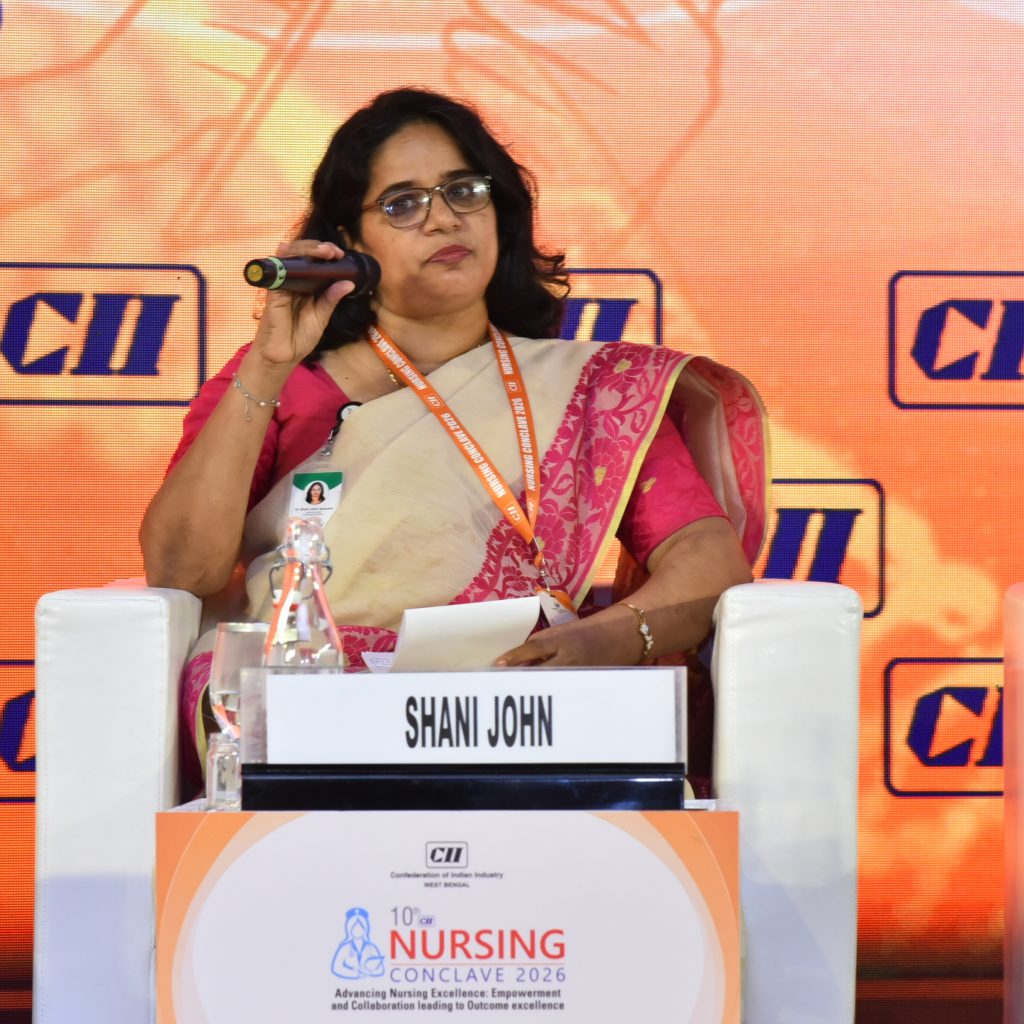
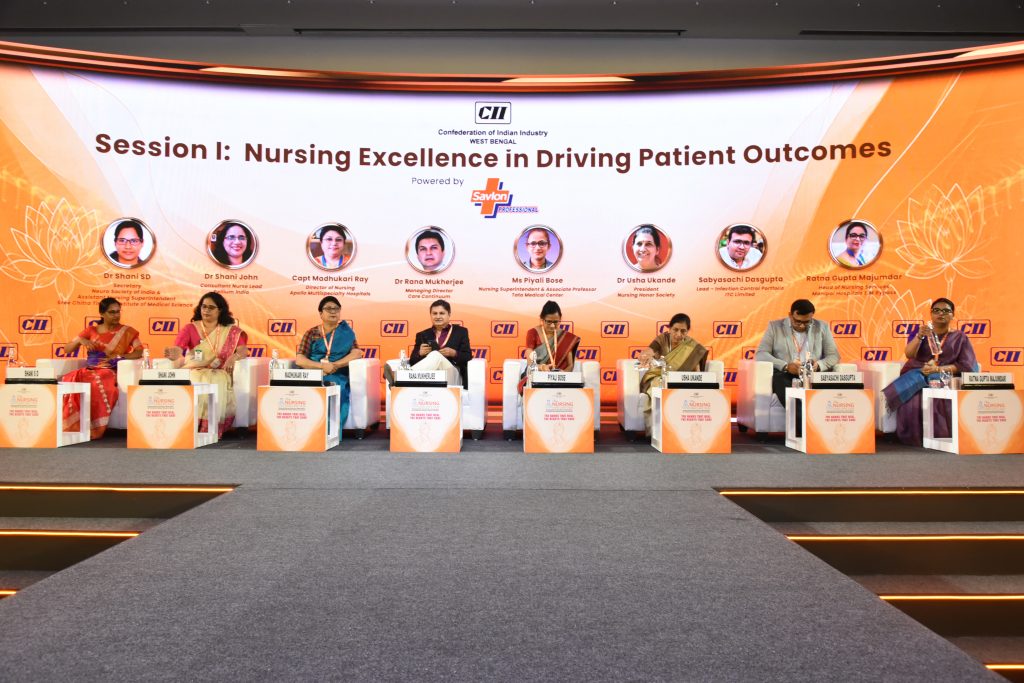
At a recent conclave on Nursing Excellence, a thought-provoking discussion explored a critical question: What does nursing excellence truly mean in home-based palliative care, and how does it influence patient outcomes?
The conversation highlighted that nursing excellence extends far beyond clinical procedures and technical competence. Drawing on the International Council of Nurses’ definition and contemporary palliative care evidence, excellence was described as the ability to consistently provide person-centred, family-centred, and evidence-based care that relieves suffering, improves quality of life, empowers caregivers, and ensures continuity of care in the patient’s preferred place of care.
In the home setting, the palliative care nurse occupies a uniquely pivotal role. Nurses are often the professionals who bring together symptom management, caregiver support, family assessment, care coordination, community resource mobilisation, advance care planning, and end-of-life care. As one panelist observed, “In home-based palliative care, nursing excellence is not defined by procedures performed; it is defined by suffering relieved, families empowered, and continuity of care achieved.”
The discussion also examined the role of quality assurance bodies such as NABH. While accreditation frameworks provide essential standards for patient safety, clinical governance, documentation, and competency assessment, true excellence in palliative care must also be reflected in patient and family outcomes. Indicators such as symptom relief, caregiver confidence, patient satisfaction, timely home visits, and reduced avoidable hospital admissions offer a more meaningful measure of quality in home-based care.

An important distinction emerged between medical and nursing perspectives on patient outcomes. Physicians often focus on disease progression, treatment effectiveness, and prognosis. Nurses, however, assess how patients and families are living with illness. Their outcomes include pain control, breathlessness, sleep quality, emotional well-being, functional independence, caregiver preparedness, dignity, and the patient’s sense of being heard and supported.
The evidence presented was compelling. Studies from India and internationally consistently demonstrate that nurse-led palliative care interventions contribute to better symptom control, improved quality of life, stronger caregiver confidence, fewer emergency visits and hospitalisations, and more dignified end-of-life experiences. Community-based models from Kerala have shown how skilled nursing support strengthens family caregiving and promotes long-term sustainability of palliative care services.
The discussion also highlighted the growing importance of tele-palliative nursing, particularly in resource-constrained settings. Tele-support enables ongoing symptom monitoring, timely intervention, and caregiver guidance, extending the reach of palliative care beyond traditional healthcare facilities.
The overarching message was clear: if we seek better outcomes for people living with serious illness, investment in nursing excellence is essential. Nurses are often the vital link connecting clinical care, family support, and community resources. Their contribution is not merely complementary to palliative care—it is foundational to achieving compassionate, high-quality care at home. As the session concluded, participants reflected on a simple but powerful truth: when nursing excellence flourishes, patients experience greater comfort, families feel supported, and the possibility of living well until the end of life becomes a reality.

Dr Shani John Sequeira
PhD N, MSc-CHN, CHFP, FCPCN, LMH, NFPN, GFPN
Nurse Lead – Karnataka, Pallium India