
August 2026

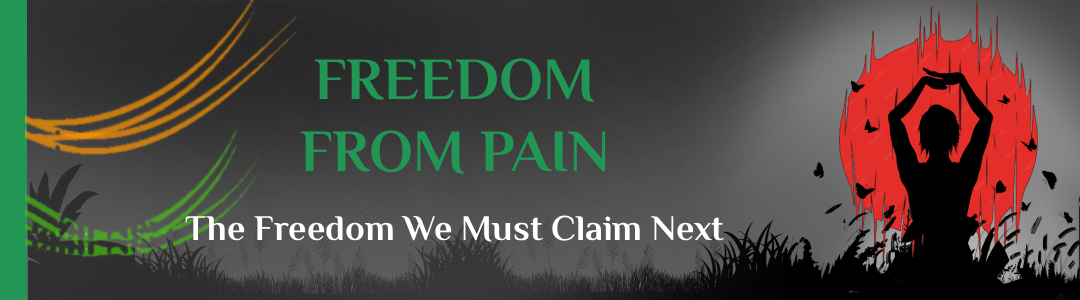
As India celebrates its Independence Month, we reflect on a different kind of freedom—the freedom from needless pain and suffering.
This edition highlights the importance of making compassionate palliative care accessible to everyone, ensuring that no person faces serious illness without dignity, comfort, and support. Together, let us continue working towards an India where freedom truly means freedom from pain.
Editorial: The Freedom We Must Claim Next
On 15th August, India celebrates its independence. Yet, for millions of Indians living with terminal illnesses like cancer, organ failure, neurological conditions, or other life-limiting illnesses, another kind of freedom remains out of reach. The freedom to live without needless pain. The freedom to spend time with family instead of travelling hundreds of kilometres for care. The freedom to receive treatment without exhausting life’s savings. The freedom to die with dignity.
This is the freedom that palliative care strives to protect.
How far have we come?
Over the past three decades, Kerala has demonstrated that palliative care is not merely a hospital service, it is a community movement. Volunteers, nurses, doctors, social workers, local governments, and neighbours showed that care belongs where people live.
We have also made significant progress in improving access to essential pain medicines, developing national policies, integrating palliative care into health programmes, establishing training pathways, and creating centres of excellence that now mentor professionals across the country.
Thousands of healthcare workers have been trained. Community-based programmes are growing. More institutions are recognising that palliative care should begin early and not only at the end of life.
These are milestones worth celebrating. But they are only the beginning.
Welcome to a new edition of Pallium India’s newsletter. Thank you for joining us. Here you can find updates from the palliative care world, upcoming events including training for professionals and volunteers, interesting articles, career opportunities and so on.
. Read previous issues of the newsletter | Ask your friends to subscribe .
Beyond the Sessions: Reflections from the Field
Compassion Starts in the Community
Empowering Community Health Associates through Palliative Care Training
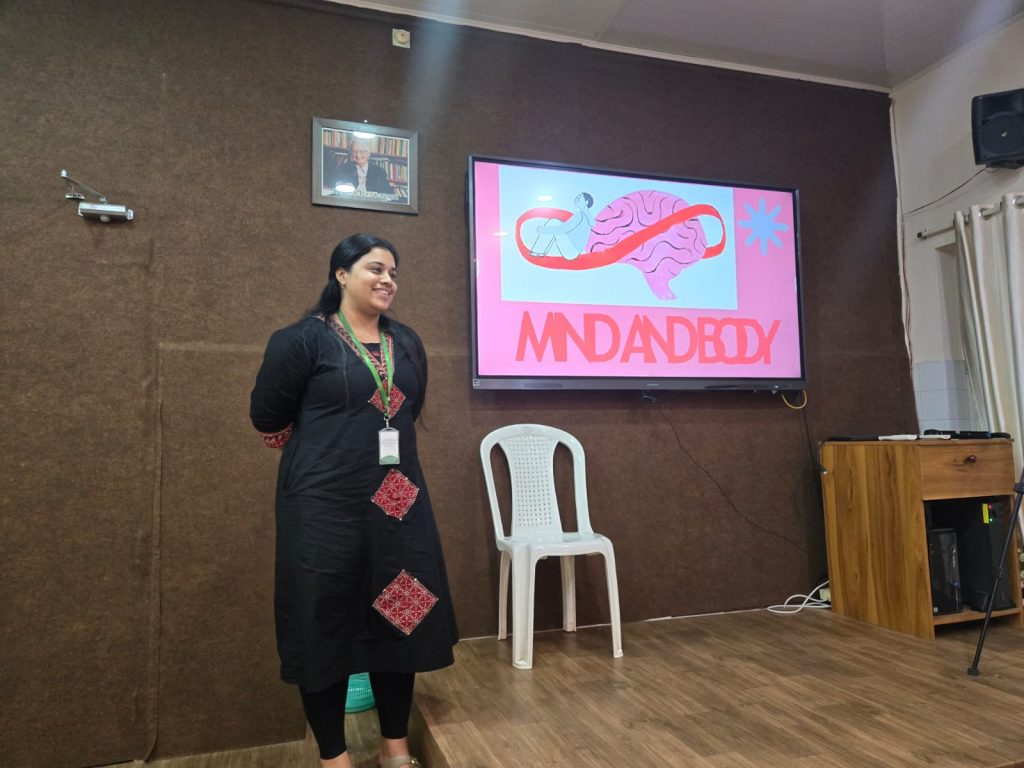
Pallium India, in collaboration with the Azim Premji Foundation (APF), successfully conducted a two-day Community Health Associates (CHA) Training Programme in Bengaluru on 21–22 July 2026. The programme marked an important step towards integrating palliative care into primary health care by strengthening the capacity of frontline community health workers to identify and respond to Serious Health-Related Suffering (SHS).
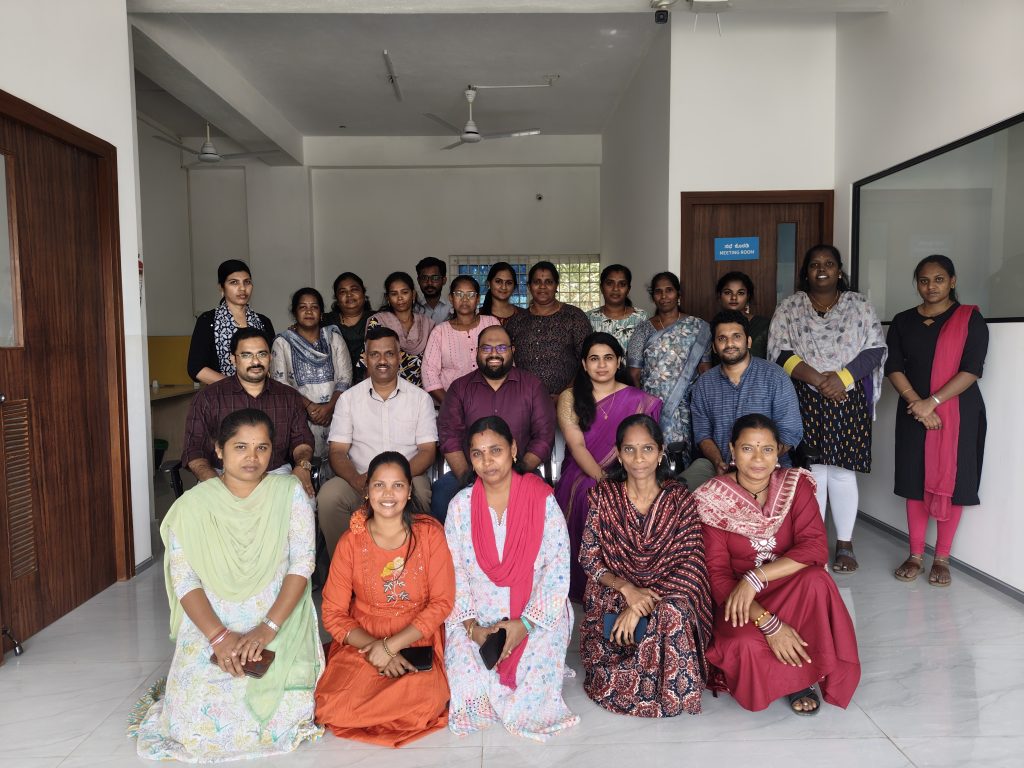
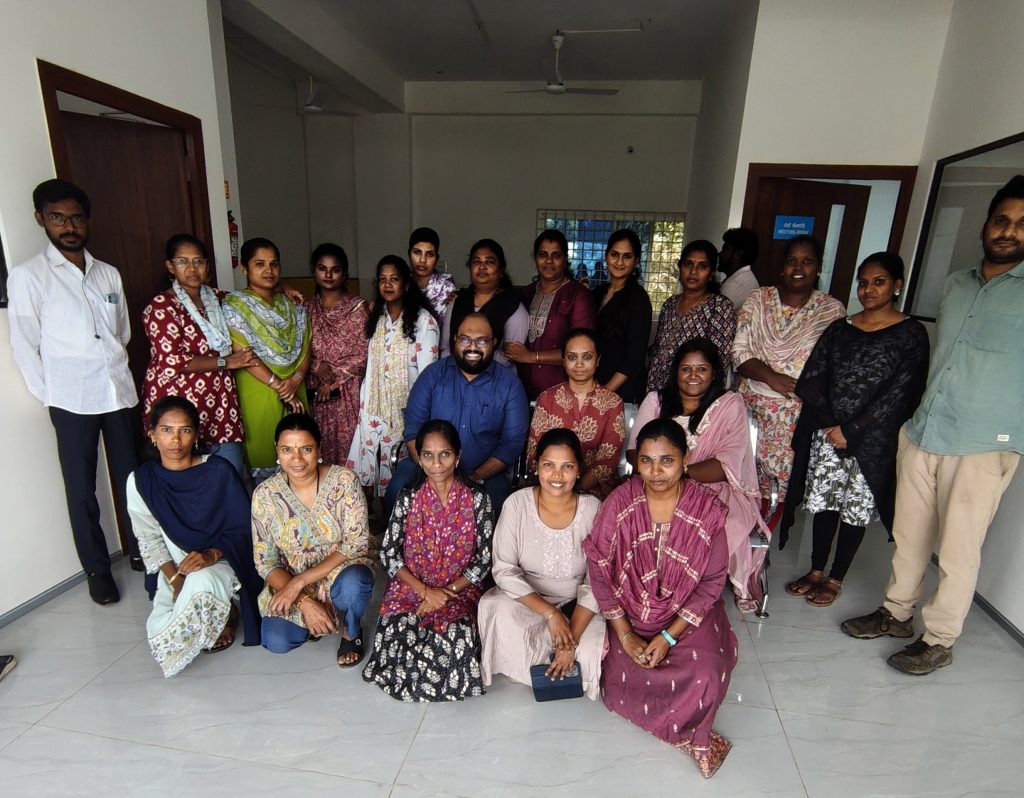
The training was initiated following discussions between Pallium India and the Azim Premji Foundation on strengthening community-based palliative care. Designed specifically for Community Health Associates, the programme aimed to equip participants with the knowledge, skills, and confidence to recognise people with palliative care needs early, communicate effectively with patients and families, provide basic supportive care, and facilitate timely referral to appropriate health services.
When Words Fall Silent
The True Face of Communication in Palliative Care
“Communication is the key.”
Everyone working in palliative care has probably heard this sentence many times.
Classes on communication, training sessions, models, and protocols are all part of our learning. We are taught how to talk to patients and their families, how to break bad news, what to say, what not to say, and when silence is more important than speaking.
But there is one question that has often stayed with me.
Do all conversations in real life happen according to theories?
From my experience, the answer is no.
There are moments when words fall silent. I do not know what to say. I do not know how to begin. My voice trembles. My mind is filled with countless words, yet none of them find their way out.
A patient’s son asks,
“Will my father survive?”
A wife asks,
“How many more days does he have?”
A mother, with tears in her eyes, asks,
“Will my son’s pain ever become less?”
In those moments, the sentences I learned from textbooks rarely come to mind. Instead, another conversation begins within me.
What I Saw, Shadowing a Palliative Care Team for a Day
A few days ago, I spent a morning shadowing a palliative care team from PalCare Mumbai on two home visits. One was a new patient being onboarded — a family just beginning this journey. The other was a bereavement visit, to a family whose loved one had passed two days earlier.
I went in as an observer. I came out having learned more about what real palliative care looks like than I had in months of reading about it.
I’m sharing this not to promote anyone or anything, but because I think more people — especially families currently caring for someone seriously ill — should know what’s possible when care is done right.
The Team
Three people showed up together: a doctor, a nurse, and a counsellor. Not one after another. Together, every time, every visit. I’d read about multidisciplinary care before. Watching it in a living room is different.
What struck me first was how naturally they moved around each other. Nobody stepped on anybody’s role. The doctor didn’t rush the emotional parts to get to the clinical ones. The counsellor didn’t hover awkwardly while medical decisions were made. It felt less like three professionals executing a protocol and more like three people who had simply learned, over time, how to be in a room with a family in crisis without making it worse.
The Ache of Watching Someone Slowly Fade Away
No one prepares you for the grief of gradual disappearance.
For loving someone who is still here, and yet, in ways both visible and invisible, is already beginning to leave.
For watching familiarity fade while your love remains exactly where it has always been. People who visit after a month or even weeks often say, “He was alright the last time I saw him. How did things change so quickly?”
But the truth is, they didn’t change quickly.
We watched every inch of the journey.
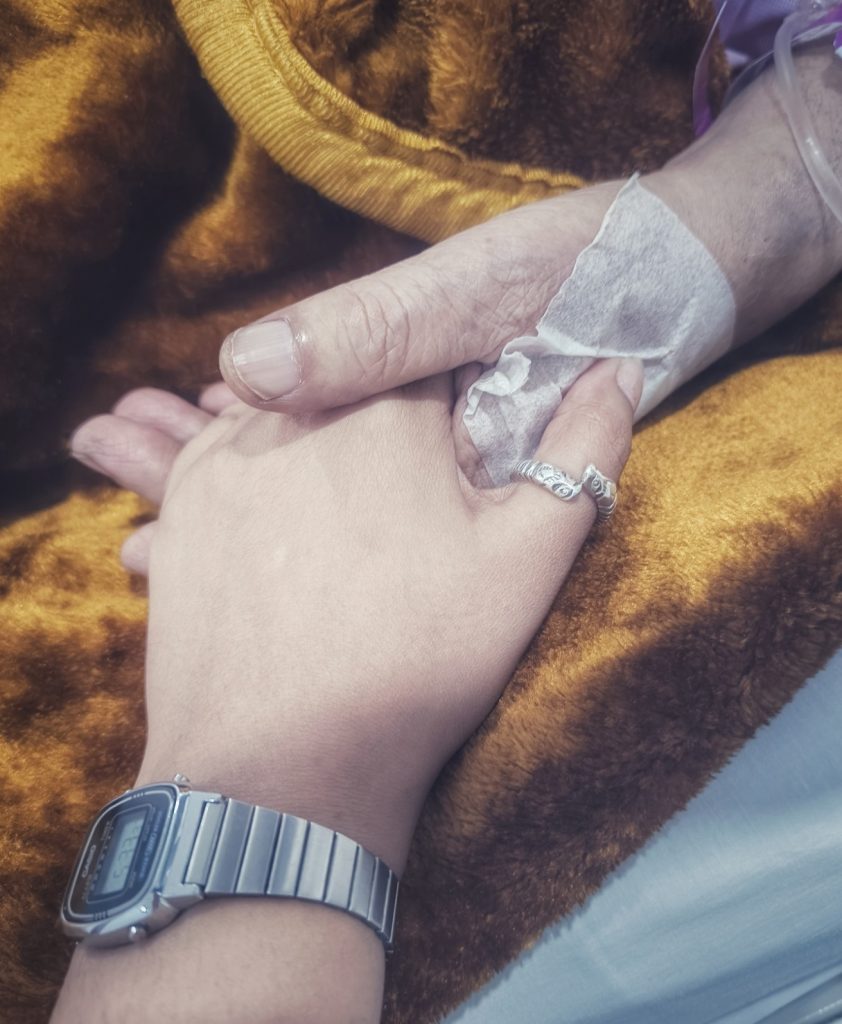
A fortnight ago, Papa was still talking. He recognised us. There were conversations, however brief. Familiarity still lived in his eyes. Today, he mostly remains unconscious. He sits up to eat with his eyes closed. He rarely speaks. Recognition has faded into moments of uncertainty, and words have become monosyllables uttered only when we gently ask if he is in pain.
The Day the Diagnosis Stole My Name
Serious illness is often described through clinical language; diagnosis, staging, treatment plans, prognosis. Yet for many patients, the deepest disruption occurs far beyond the boundaries of physiology. It occurs in the quiet collapse of the roles through which they have come to understand who they are.
A man once purchased the car he had always dreamed of owning. A Porsche—precisely engineered, admired wherever it travelled, and faithful for years. One morning, a faint sound emerged from the engine. Technicians examined it, replaced the faulty components and returned the car in perfect condition. Machines are like that. When something breaks, we replace the part. The machine never mourns what it has lost.
Not long afterwards, the owner himself was involved in a serious accident. He was admitted to intensive care, surrounded by skilled clinicians and advanced technology. Weeks passed. His body healed. His discharge was celebrated as a success.
Yet each morning, as he stood before the mirror, a quieter question returned: Something changed. What was it? No scan could measure it. No prescription could silence it.

Trivandrum Institute of Palliative Sciences (TIPS), Pallium India
| Beneficiaries reached till March 2026: | 30,682 | |
| Palliative Care centres / services catalysed: | 256 | |
| Stakeholders trained (virtual and onsite): | 12,375 |
Annadanam: Meals Full of Love

This season, celebrate Onam with Annadanam. Sponsor a warm meal with patients and caregivers at Pallium India’s In-Patient Unit. Your gesture will nourish 20 patients and 20 caregivers (40 beneficiaries) with love and care. Each meal you sponsor is a gift of care, love, and nourishment. You can also sponsor on the occassion of birthday, wedding anniversary or memorial of a loved one.
Our Palliative Care Demonstration Centre supported by the National Health Mission, at Jayanagar General Hospital, Bengaluru, will serve as an out-patient clinic and an anchor for home-based care, referral linkage centre, community participation & volunteer orientation hub, training site for healthcare professionals, and offer physical and social rehabilitation services.
You can support our work in Karnataka to help us establish a compassionate & community-based palliative care model.
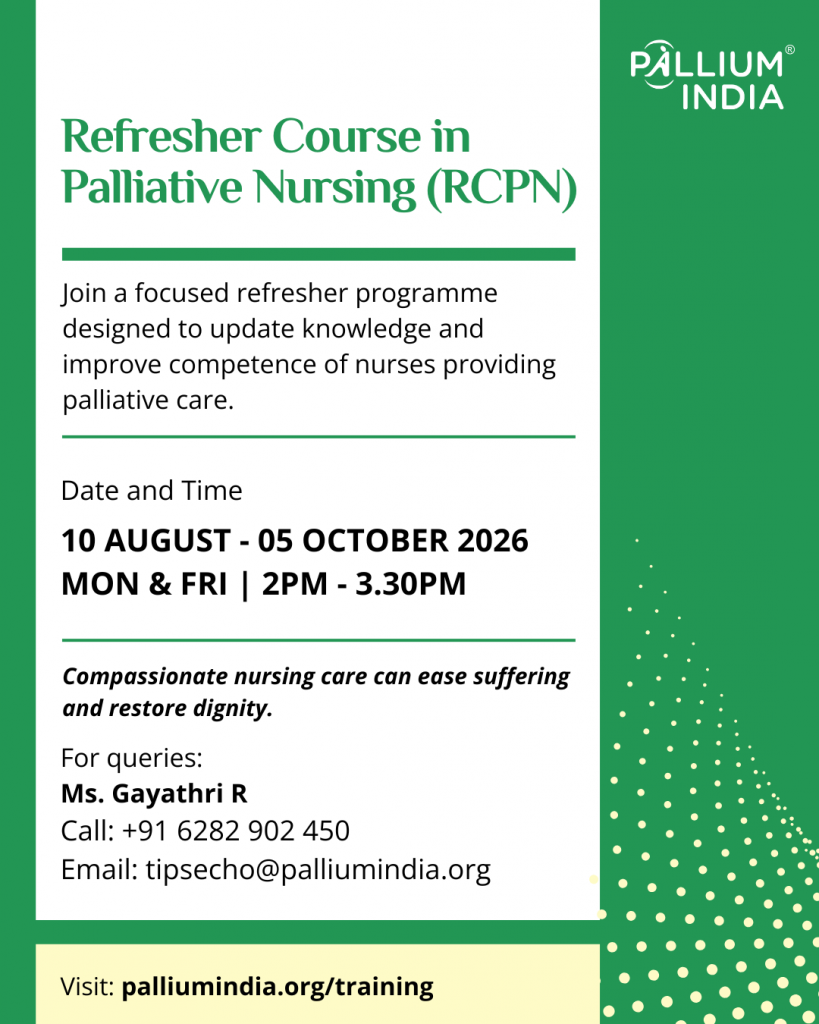
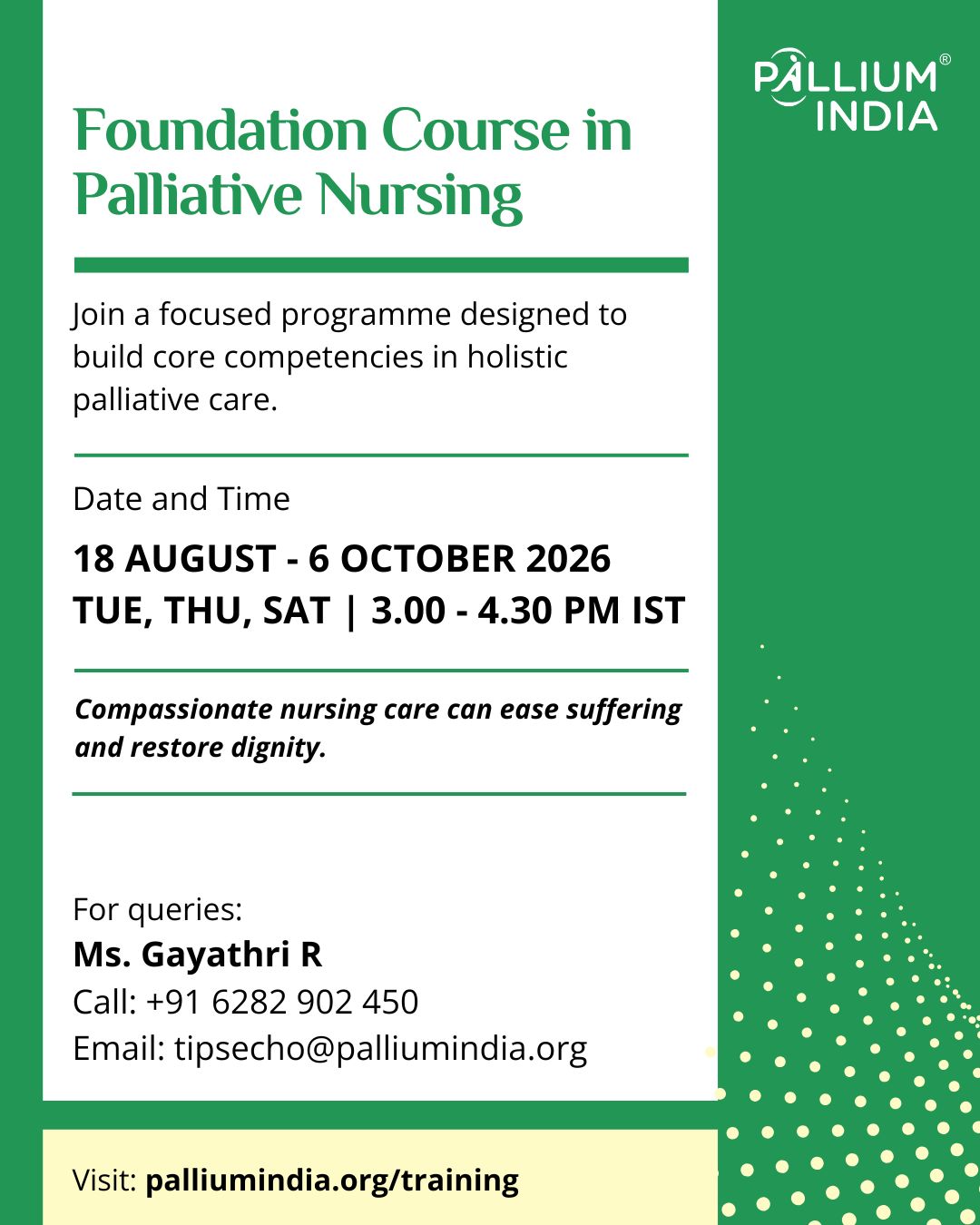
Upcoming Events, Trainings & Conferences
Openings
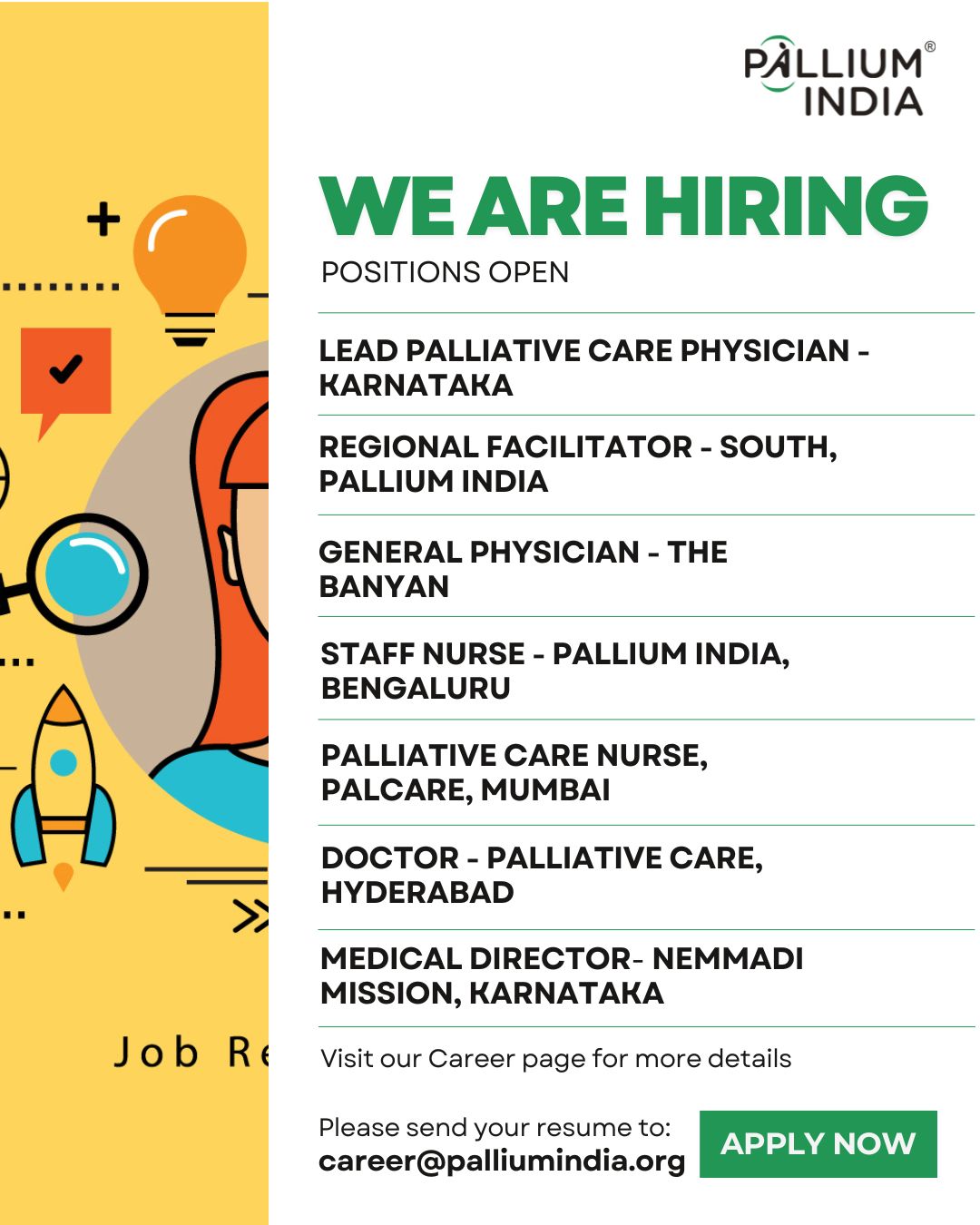
For more openings, visit our CAREERS page:
https://palliumindia.org/category/career
In case of queries, please write to us: [email protected]
Stay tuned for palliative care news, views and updates
Reports / News / Articles
Listening to the Community
The First Step Towards Building Compassionate Communities in Karnataka
“Communities do not need to cure disease—they need to ensure that no one faces serious illness alone.”
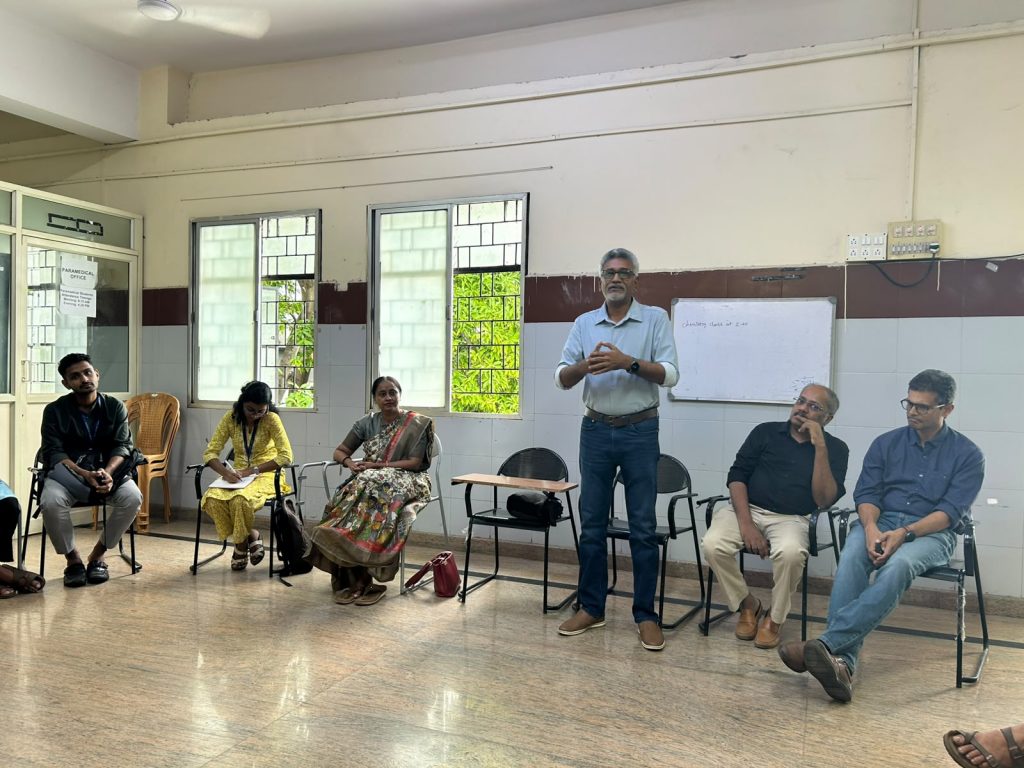
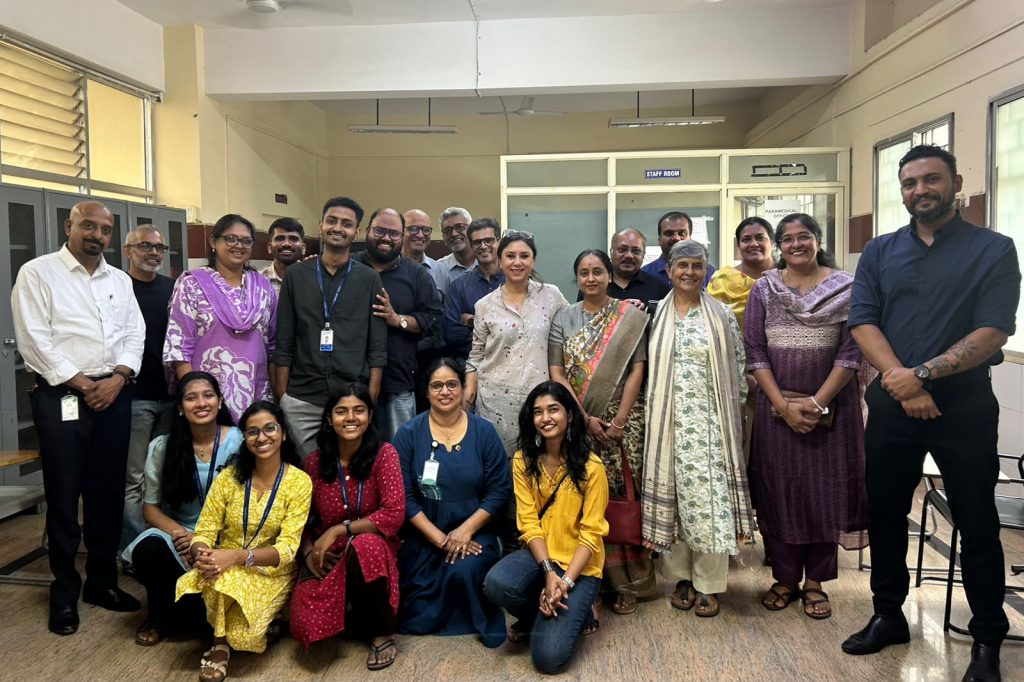
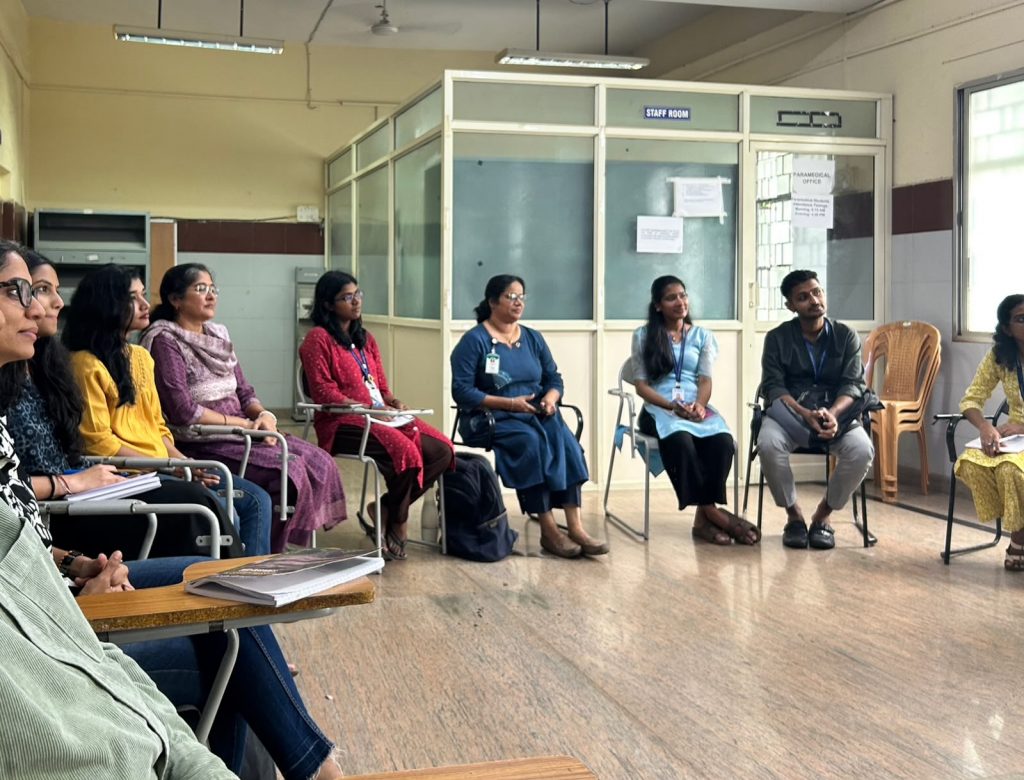
The newly established Pallium India Palliative Care Outpatient Service at Jayanagar General Hospital, Bengaluru, took an important step beyond hospital walls on 30 July 2026, by bringing together nearly 20 community representatives for an open dialogue on serious health-related suffering, caregiving, and the role communities can play in supporting people living with life-limiting illnesses.
The meeting was conceived with a simple yet ambitious vision—to build Karnataka’s first community-supported model of palliative care, inspired by the globally recognised Kerala model, where healthcare professionals, volunteers, neighbourhoods, resident welfare associations, educational institutions, and civil society collectively ensure that no person living with serious illness is left to suffer alone.
The session was led by Mr. Binod Hariharan, Chairman & CEO, Pallium India, Ms. Smriti Rana, Director – Strategic Communications, Mr. Vinod Jacob, Mission Director – Karnataka, and Dr. Arjun Devarajan, In-charge of Clinical Services – Karnataka Mission.
Navigating Fibromyalgia: A Multidisciplinary Approach to Living Well
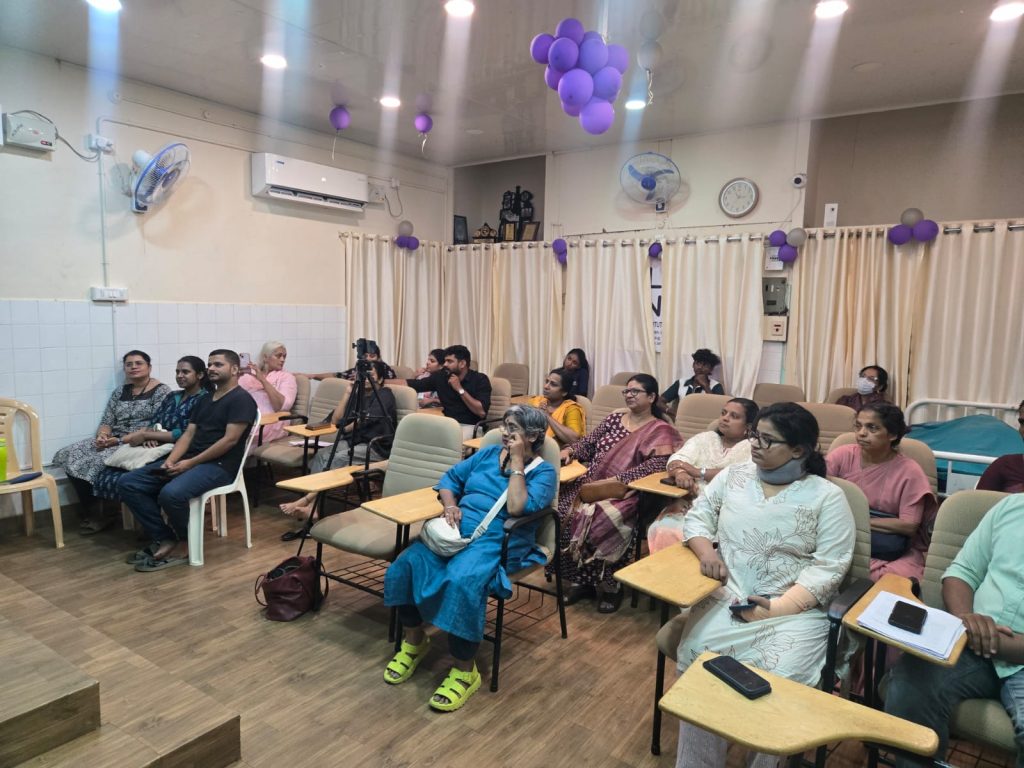
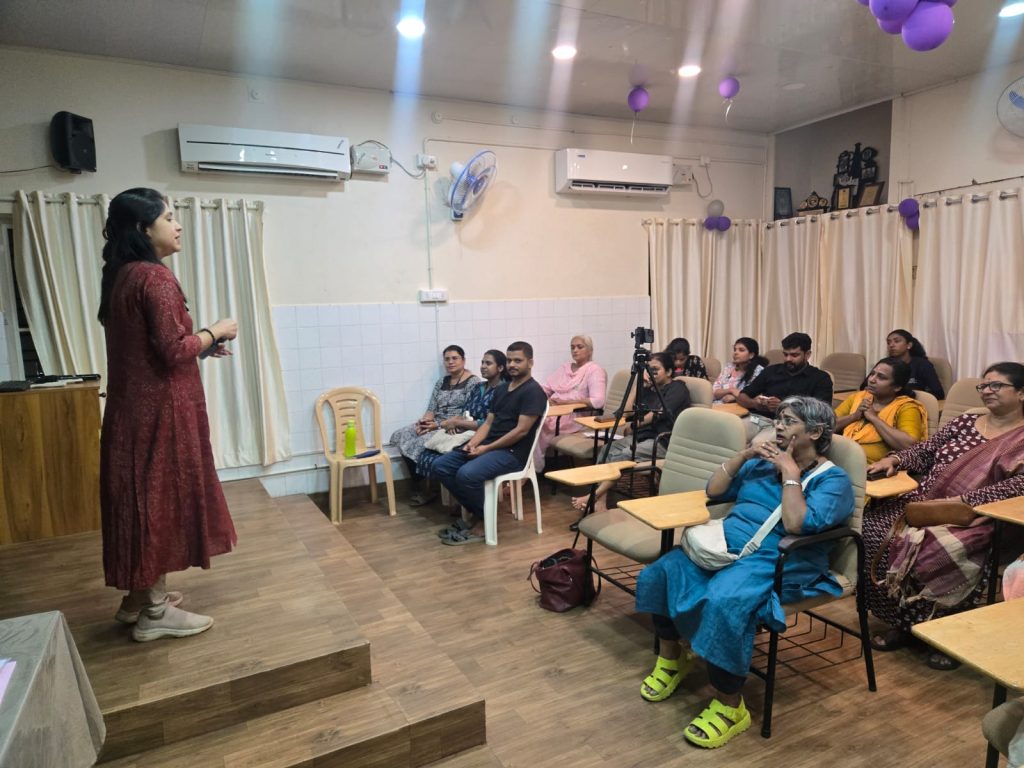
Pallium India, in association with the Society for Study of Pain (SSP), Kerala Chapter, organised a multidisciplinary workshop, “Navigating Fibromyalgia – Understanding, Managing & Living Well with Fibromyalgia,” on 25 July 2026 at the BDTC, Pallium India, Thiruvananthapuram.
Twenty-five attendees including patients, caregivers, and staff, attended the workshop featured expert sessions by Dr. Vineetha Gopal, Consultant Pain Physician, who explained the complexities of fibromyalgia as an often misunderstood “invisible illness,” and Dr. Nimisha Mary Jose, Consultant Pain Physician at Pallium India, who discussed evidence-based approaches to long-term symptom management.
Video of the Month
How to Make a Living Will?
Living Well: The Podcast breaks down everything you need to know about living wills and advance medical directives—what they are, how they work, and why they matter.

Whether you’re thinking ahead about your healthcare choices or supporting someone who is, this video is an essential guide to patient autonomy and end-of-life planning in India.
Subscribe to Pallium India’s YouTube channel for videos related to palliative care and our activities. You can watch previous webinars and training sessions, as well as listen to caregivers, survivors and others sharing their experiences.
Join us in making India pain-free! Subscribe to our newsletter for updates.
Book of the Month
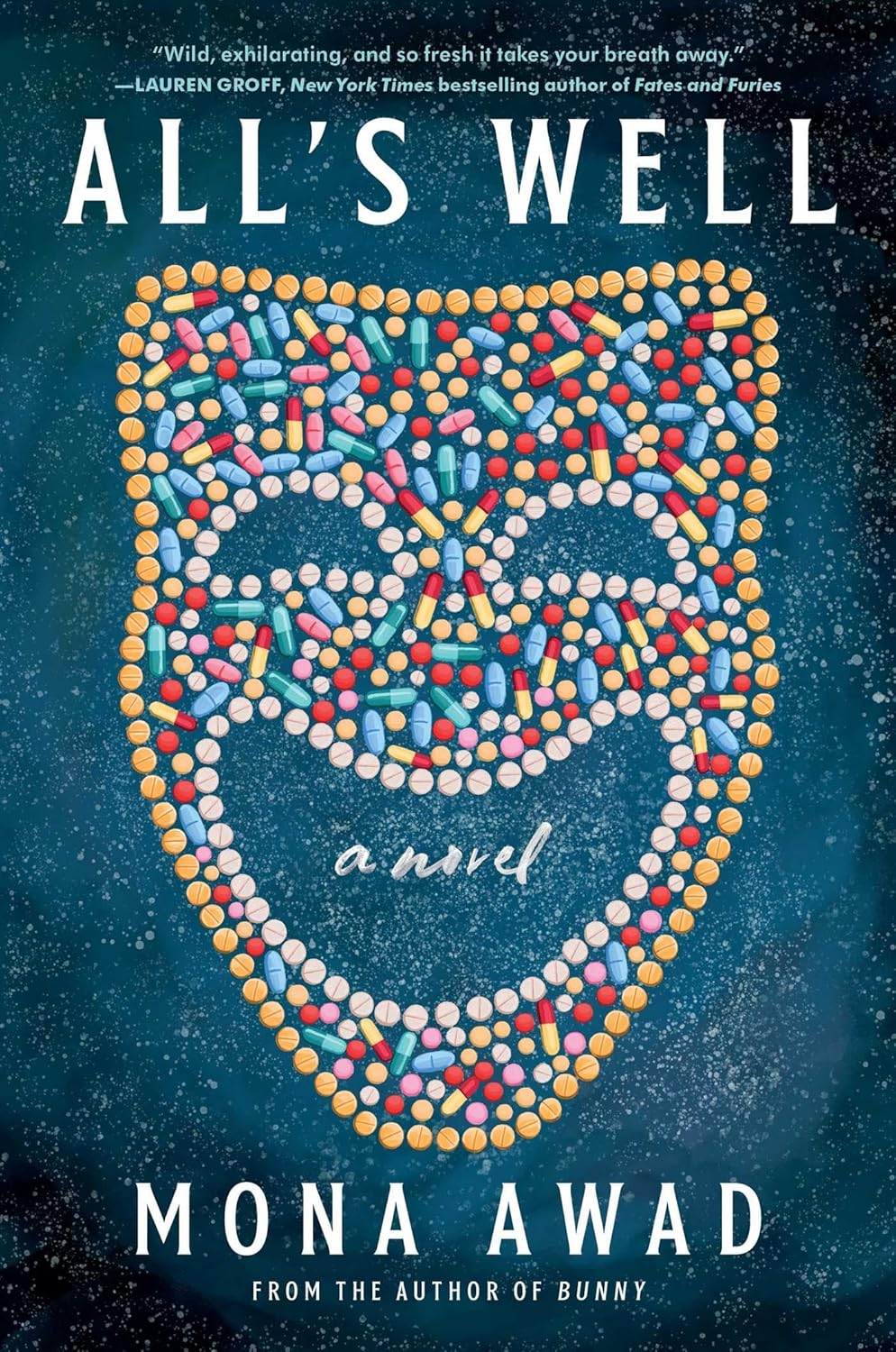
All’s Well
Mona Awad’s All’s Well is about a woman at her breaking point and a formidable, piercingly funny indictment of our collective refusal to witness and believe female pain. Miranda Fitch’s life is a waking nightmare. The accident that ended her burgeoning acting career left her with excruciating chronic back pain, a failed marriage, and a deepening dependence on painkillers. And now, she’s on the verge of losing her job as a college theater director. Determined to put on Shakespeare’s All’s Well That Ends Well, the play that promised and cost her everything, she faces a mutinous cast hellbent on staging Macbeth instead. Miranda sees her chance at redemption slip through her fingers. That’s when she meets three strange benefactors who have an eerie knowledge of Miranda’s past and a tantalizing promise for her future: one where the show goes on, her rebellious students get what’s coming to them, and the invisible doubted pain that’s kept her from the spotlight is made known.
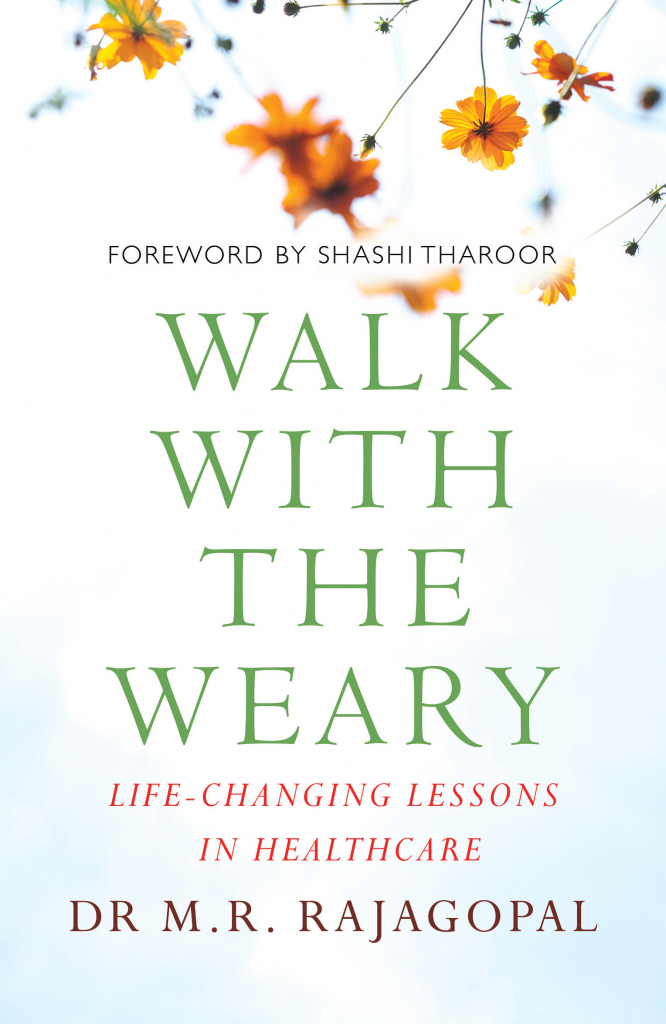
Walk with the Weary – by Dr M R Rajagopal
A masterclass in how to care for others deeply and compassionately no matter who they are, Walk with the Weary is simultaneously the story of Dr Rajagopal’s life and his calling and the world of Indian palliative care.

Palliative Care Telehealth
Call us: +91 964 588 4889 /
+91 860 688 4889

Parting Shot
Borrowed Rain

I have been kept alive
by hands I did not know
names that brushed past me
like wind through a street of trees
There were days I was bark split open
illness nesting in my ring
grief sitting heavy in my branches
and still someone leaned a ladder
against me
without asking who I was
They never stayed long enough
to become memory with faces
only warmth
Their kindness
was rain that did not ask permission
soil that did not ask for proof
If I am still standing
if my roots have not given up
it is because strangers
chose to care

Pallium India Newsletter: Global Communications Partner
For weekly news from around the world for everything to do with hospice and palliative care: Register Here
Follow us on Social Media for updates
Contact us: [email protected] / 97467 45497
Thank you for reading our newsletter. Read previous issues here
Don’t miss any updates! Subscribe to receive our monthly newsletter via email:
https://palliumindia.org/newsletter
Have feedback? Let us know. Write to us: [email protected]