

Palliative Care in Oncology: A Paradigm Shift in Two Decades
Cancer has been viewed as a killer disease since time immemorial. As treatment has advanced by leaps and bounds in the last 2-3 decades, cure rates have improved. Diseases once considered incurable can now be controlled for several years. This progress comes with a cost – the cost of living with the disease, the cost of prolonged therapy, and the cost of prolonged suffering.
Developing countries like ours continue to see very advanced presentations of the disease with large fungating tumours and extreme cachexia.
When I was initiated into palliative care in 2002, we were taught that when cure is not possible, care is the least that we can offer. At that time patients were referred to palliative care when everything else had failed. Patients and families were desperate and the palliative care teams had very little time to offer anything substantial.
Since then, the concept of palliative care has undergone a paradigm shift. Now we initiate palliative care on the day of diagnosis, whether treatment is to be started with curative or palliative intent. The palliative care team is part of the treating team. They take care of patient and family’s distress at diagnosis, helps with pain management and sorting out logistics. For curative patients, the palliative care team withdraws support as patient starts improving with treatment. For patients being treated with palliative intent, their role increases as the disease worsens. This approach also helps the Oncologist share the burden, as different members of the palliative care team offer multiple layers of counselling. For the palliative care team members, patients being treated with curative intent serve as a feel-good factor as they see them responding to therapy and returning to normalcy.
Offering home-care is another leap ahead.
Firstly, it is a great boon to patients and families who find it difficult to bring their patient to the hospital. Secondly it saves caregivers time, money and energy when patients are treated in their own homes. Third and equally importantly, patients feel a sense of self-worth when a medical team visits them at home showing that they care. Furthermore, even the palliative care teams find it fulfilling once they understand the ground realities of the home environment and are able to make a visible difference. It is very heartening to see this difference during my career span. I consider myself lucky to have been mentored by the best in the country in Palliative Care and now in turn mentor young professionals in this speciality.
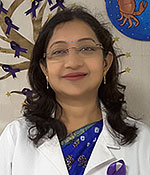
Dr Anupama Borker
Professor and Head, Department of Medical Oncology
Goa Medical College, Goa
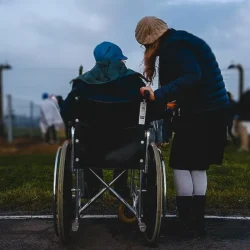
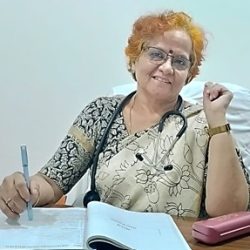



As someone who has witnessed the journey of a loved one through advanced cancer, I know that medicine alone is never enough. It is compassion, patience, and the willingness to sit with someone’s suffering that truly makes a difference.
To every doctor, nurse, counsellor, and caregiver who chooses to serve patients with such dignity and humanity, thank you. You don’t just ease pain; you restore hope, preserve dignity, and remind families that they are not alone during their darkest days.