
Punjab Expo 2026 — A Momentous Step Towards Palliative Care Awareness
Ludhiana, Punjab | 1–2 February 2026
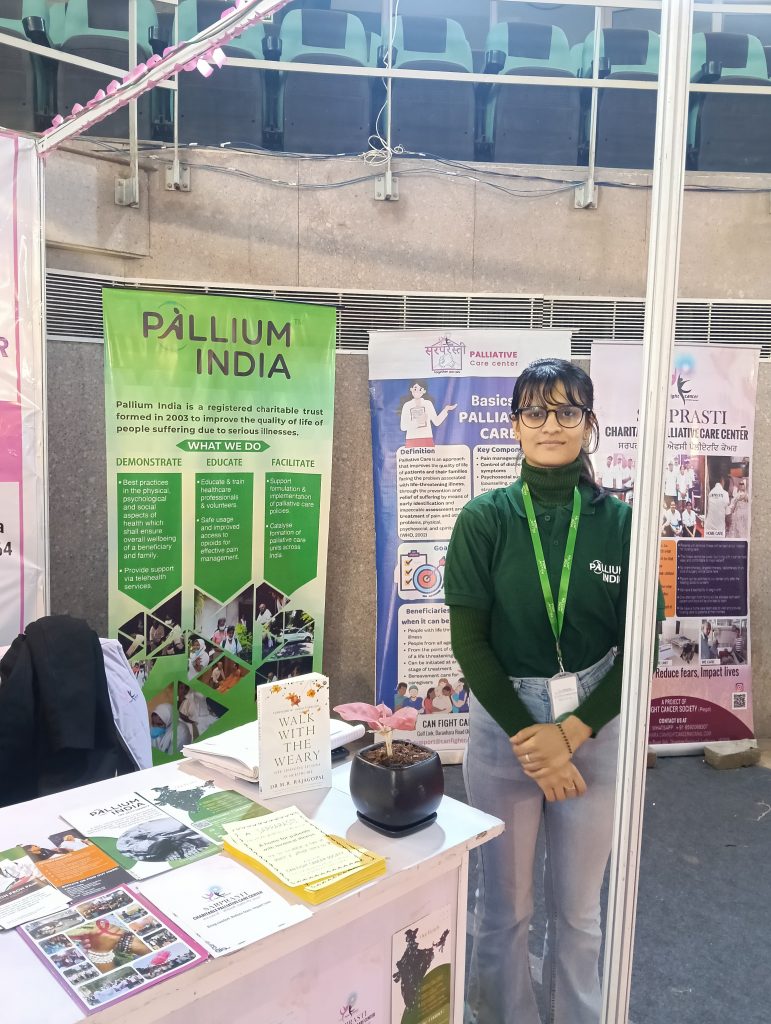
The two-day Punjab Expo, held at the Indoor Stadium on Pakhowal Road, Ludhiana, emerged as a powerful platform for dialogue, collaboration, and community-led action. Co-organised by the District Administration, Municipal Corporation, and City Needs, the Expo brought together over 70+ NGOs, CSR representatives, educational institutions, school leadership, and members of faith-based organisations — all united by a shared commitment to social impact and public welfare.
Among this diverse and vibrant gathering, Pallium India participated with a clear and compelling purpose: to advocate for greater awareness, accessibility, and expansion of palliative care services across the region.
Collaboration as the Foundation of Compassionate Care
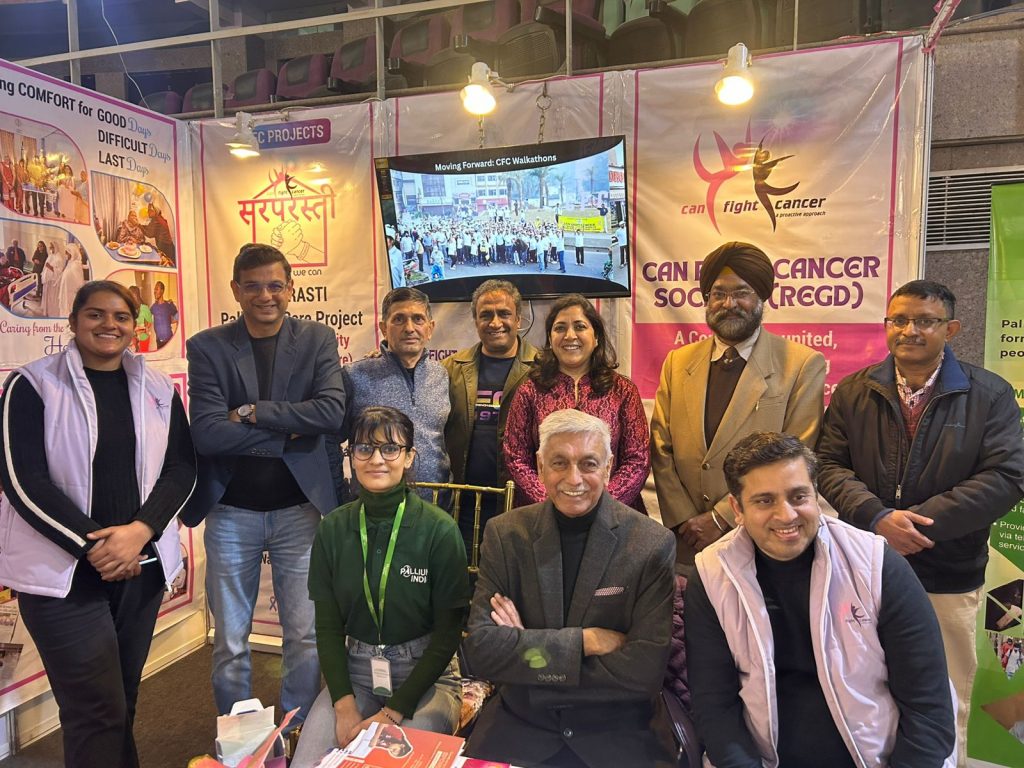
At the heart of Pallium India’s engagement was a simple yet powerful belief — collaboration is the first step towards meaningful achievement. In partnership with the Can Fight Cancer Team, Ludhiana, Pallium India highlighted the vision aimed at offering comfort, dignity, and specialised support to patients and families living with life-limiting illnesses.
The Expo also provided an opportunity to engage directly with community stakeholders and decision-makers on the urgent need for more palliative care centres in Punjab, particularly in underserved and peri-urban areas. Through conversations, information-sharing, and advocacy, Pallium India emphasised how palliative care strengthens the healthcare system by addressing suffering beyond curative treatment alone.
Leadership Support and Public Commitment
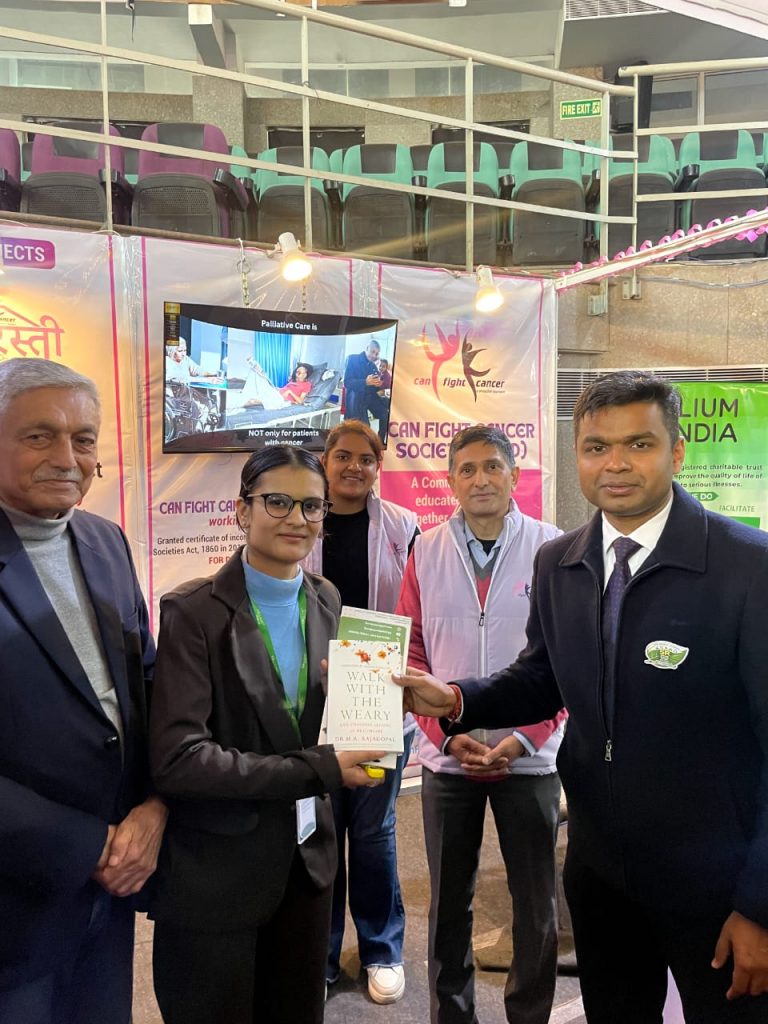
The event was honoured by the presence of District Commissioner IAS Himanshu Jain, whose engagement underscored the importance of administrative leadership in advancing compassionate, people-centred healthcare models. His presence reinforced the growing recognition that palliative care must be integrated into mainstream health planning and service delivery.
Together with local partners, Pallium India highlighted that palliative care is not limited to cancer care alone. It focuses on pain relief, symptom management, emotional and psychosocial support, and quality of life for individuals facing serious health-related suffering — regardless of diagnosis.
Why Palliative Care Matters — The Bigger Picture
Despite increasing global recognition, access to structured palliative care in India remains alarmingly limited. Studies indicate that less than 4% of patients who need palliative care actually receive it, largely due to uneven service availability, limited trained human resources, and low public awareness.
Palliative care is often misunderstood as only “end-of-life” care. In reality, it is a holistic approach that can be introduced at any stage of a serious illness to:
- Alleviate pain and distressing symptoms
- Provide psychosocial and spiritual support
- Reduce caregiver burden and burnout
- Enable informed, patient-centred decision-making
When integrated early, palliative care helps families experience greater dignity, comfort, and a sense of control, even in the most challenging health journeys.
A Shared Vision for Punjab
The Punjab Expo proved to be more than an exhibition — it became a conversation starter and a catalyst for collective action. Representatives from schools and religious institutions expressed interest in becoming advocates for palliative care awareness. CSR donors explored pathways for sustainable partnerships. NGOs committed to building stronger referral networks and community linkages.
Pallium India strongly believes that lasting impact is born out of collective effort. By working alongside government leaders, civil society organisations, healthcare advocates, and community champions, the goal of accessible palliative and hospice care across Punjab and beyond moves closer to reality.
To everyone who participated, engaged, and shared this vision at the Punjab Expo — thank you. Together, we are not just raising awareness; we are laying the foundation for a compassionate legacy of care that honours life, eases suffering, and supports families with dignity and respect.