
Generating Evidence in Fostering Palliative Care Delivery
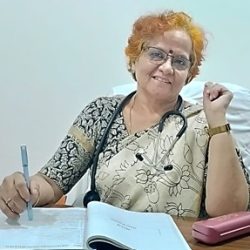
Dr Sreejini Jaya, Head – Research and Innovation.
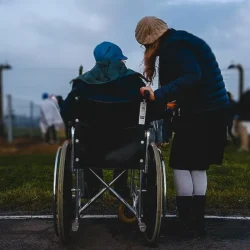
Publishing research data truly enhances reproducibility and integrity and broadens the impact of research. Research and Innovation Department’s research – Factors influencing caregiver burden and its prevalence level amongst family caregivers of patients with palliative care needs and serious illnesses – on family or informal caregivers was published in the recent edition of BMC Palliative Care. As a palliative care institution, Pallium India works towards the betterment of its beneficiaries, the patient and family as a whole. Caregivers from the family are an integral part of palliative care delivery, and this research adds to the organisation’s values of leaving no one behind. Caring for a family member at home is challenging and demanding, as older patients with palliative care needs and serious illnesses or approaching end-of-life often have intricate symptoms and healthcare needs that worsen as their disease progresses and death approaches. This research broadens our scope by seeking to create evidence-based services for caregivers. Identifying caregiver burden and their quality of life helps us formulate and pave new paths to address their needs. Many studies examine the burden of caregiving among informal or family caregivers; however, research exploring caregiver burden among patients enrolled in palliative care settings is limited. Our study explored and estimated the prevalence of caregiver burden and identified factors influencing it among family caregivers of patients receiving Pallium India services.
The study highlights that more than half (54.8%) of family caregivers experienced moderate levels of caregiver burden. The majority of caregivers in our study were women, reflecting the traditionally gendered role of caregiving within families, a pattern observed in similar studies. We found that caregiving is considered a highly individualised experience, as some gradually assume the role as they begin to recognise a loved one’s increasing need for support, while others are thrust into it suddenly due to a crisis such as a life-threatening diagnosis, stroke or other unexpected health events. Most of our study participants were unprepared for the responsibilities and challenges of caregiving, as it was their first experience. A tiny proportion received any caregiver training, while most stepped into this role without any prior knowledge, experience, or formal training. These are areas -where palliative care institutions should focus on training informal caregivers in medical and personal care skills, problem-solving, stress management, and emotional resilience. Training should also include hands-on skills related to lifting and mobility, assistance with daily activities, setting goals and other strategies tailored to both the caregiver’s and the patient’s needs.
Study findings highlight the complex interplay of personal, emotional and situational challenges faced by family or informal caregivers. It calls for implementing comprehensive, continuous support mechanisms, including emotional and psychosocial support throughout their caregiving journey. You can access the published research paper here: https://rdcu.be/ePXWj
‘I am deeply grateful to our Chairman and CEO, Dr. Binod Hariharan, and our Trustee, Guruprasad T S, whose vision inspired and shaped this research initiative. I also extend my sincere appreciation to Dr. Amritha Suresh, Research Coordinator, R&I, for leading its execution with exceptional rigor and ethical commitment.‘ – Dr Sreejini Jaya