

October 2026

Every year on the second Saturday of October, we celebrate the World Hospice and Palliative Care Day. Our newsletter this month also focuses on the theme this year, “Pain Management: An Essential Part of Palliative Care”.
Pain can change how a person experiences every moment of life. Yet, living with pain should never be accepted as an inevitable part of serious illness. Beyond medicines and clinical interventions, good pain management means understanding the person behind the pain, listening to what they are experiencing, and helping them live with greater comfort, dignity and choice.
Editorial: From the Desk of Dr. M R Rajagopal
One fifth of all suicides in India, more than 30,000 per year, are because of health-related reasons.
Pain is the commonest element of suffering in many diseases including cancer and several neurological conditions.
That is a statistic. It’s easy for any of us to say, “Oh, 30,000 is not such a huge number in a country of 1.48 billion people.” Can we think beyond the numbers and at the individual lives? What sort of excruciating suffering would it be that forces somebody to kill oneself?
It is only the successful ones that get into the statistic. For every person who has killed oneself, how many dozens would be attempting and failing? And how many would be fervently wishing they had the physical strength to kill themselves?
Most of such suffering is unnecessary. Palliative care can successfully treat the bulk of such suffering, but it reaches less than 4% of the needy in this country.
This is what must change.
The theme for World Hospice and Palliative Care Day 2026 is “Pain Management: An Essential Part of Palliative Care.”
We cannot wait for the system to change this deplorable state of affairs.
This is everyone’s business.
Rethinking Pain and Suffering Beyond Prescriptions
A combination of physical, psychological, social, and spiritual factors influences how a person experiences pain. Therefore, pain caused by the same type of injury may be experienced differently by two people from different backgrounds. Because these different forms of suffering are closely connected, good care should aim to treat the whole person, not just the disease.
“Let’s not go to that house,” a field staff member said to me, as we surveyed the community to identify people in need of home-based care. “The lady who lives there is always angry. She shouts at us whenever we go to her house.” From a research perspective, this house, and the woman inside it, could easily have become a statistic excluded from the denominator, quietly omitted to avoid inconvenience to the team. But my curiosity about why she was “always angry” led me to her door.
“Kaun hai? (Who is it?),” Janaki (name changed) called out sharply when I knocked on her single room home in Delhi. She let me in, and as I sat beside her, I realised she had extremely poor vision. “I can’t see who is at the door. People come, say something from there, and leave,” she said. What had been interpreted as anger was, in fact, anxiety, born of not knowing whether the person outside was a friend, or a stranger.
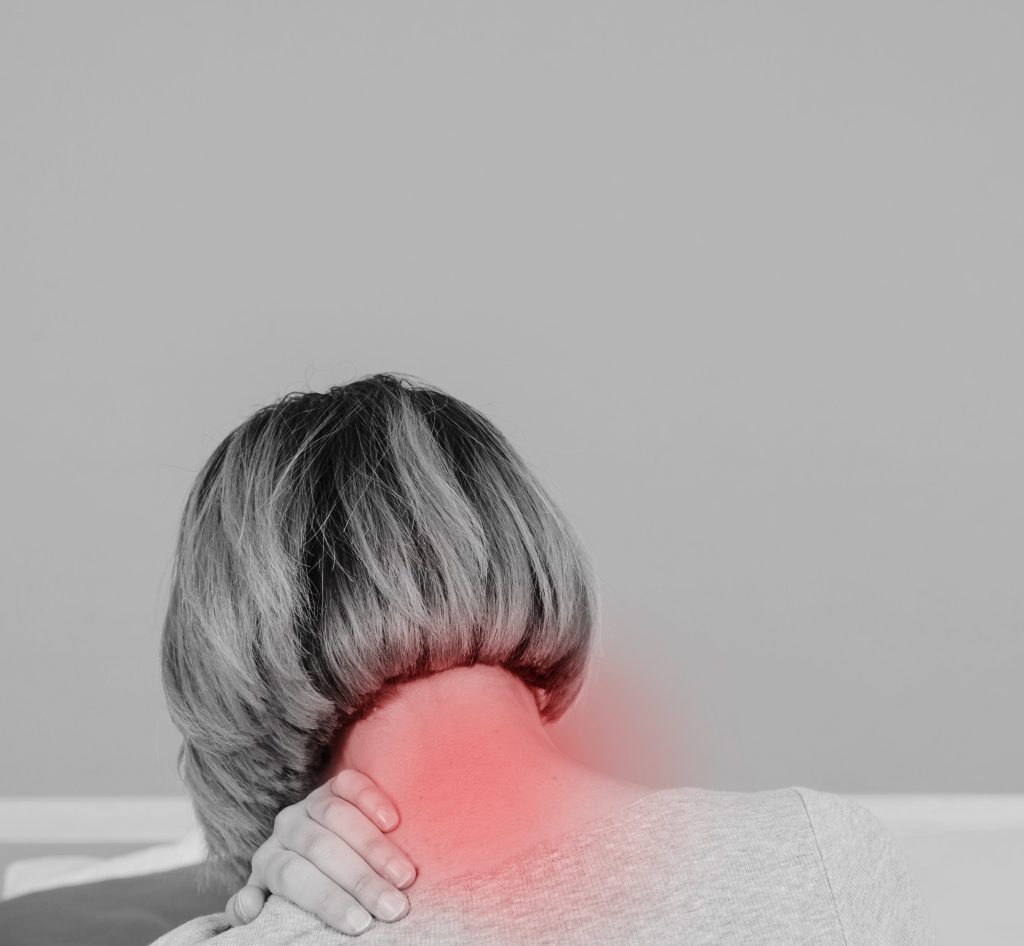
(Left photo: Physical pain, the most assessed form of pain, is only one of the contributory factors to total pain. Image used for representational purposes only | Photo Credit: Magnific)
“My legs hurt a lot. I can’t sleep because of the pain. I can’t walk anymore; my legs are weak. I can’t see,” she said, listing her complaints once she realised I was a doctor. Despite taking multiple medications for pain, her pain was not under control. Gradually, her voice broke, and she began to cry. “Please do me a favor,” she said quietly. “Kill me.”
Welcome to a new edition of Pallium India’s newsletter. Thank you for joining us. Here you can find updates from the palliative care world, upcoming events including training for professionals and volunteers, interesting articles, career opportunities and so on.
. Read previous issues of the newsletter | Ask your friends to subscribe .
Beyond the Sessions: Reflections from the Field
My Experience at the Pallium India Hands-on Module
Introduction
Pallium India is a national organisation working towards alleviating serious health-related suffering and improving the quality of life of people living with serious and life-limiting illnesses. Its vision is to “Stop needless health-related suffering to enable people to wake up to life, love and hope.” Its mission is to integrate quality palliative care into healthcare by collaborating with and empowering care seekers, care providers and communities.
Pallium India follows a three-pronged approach of Demonstrate, Educate and Facilitate. Through demonstration, it provides palliative care through outpatient, inpatient and home-based services, addressing not only medical and symptom-related needs but also the psychological, social, spiritual and practical difficulties associated with serious illness.
Its services extend beyond direct clinical care and include home care, rehabilitation, psychosocial and caregiver support, telehealth services, and assistance with essential needs for vulnerable families. This includes support such as food kits and essential supplies for families experiencing financial hardship because of serious illness. Pallium India also supports children from families affected by serious illness in continuing their education through assistance with educational needs and initiatives aimed at their learning and wellbeing.
Three Days in Chennai, A Journey Beyond Clinical Care
Reflections from SIF PACT Module 4
Sometimes, a learning programme ends when the last session is over.
And sometimes, you leave the room with the feeling that something has changed in the way you see your work.
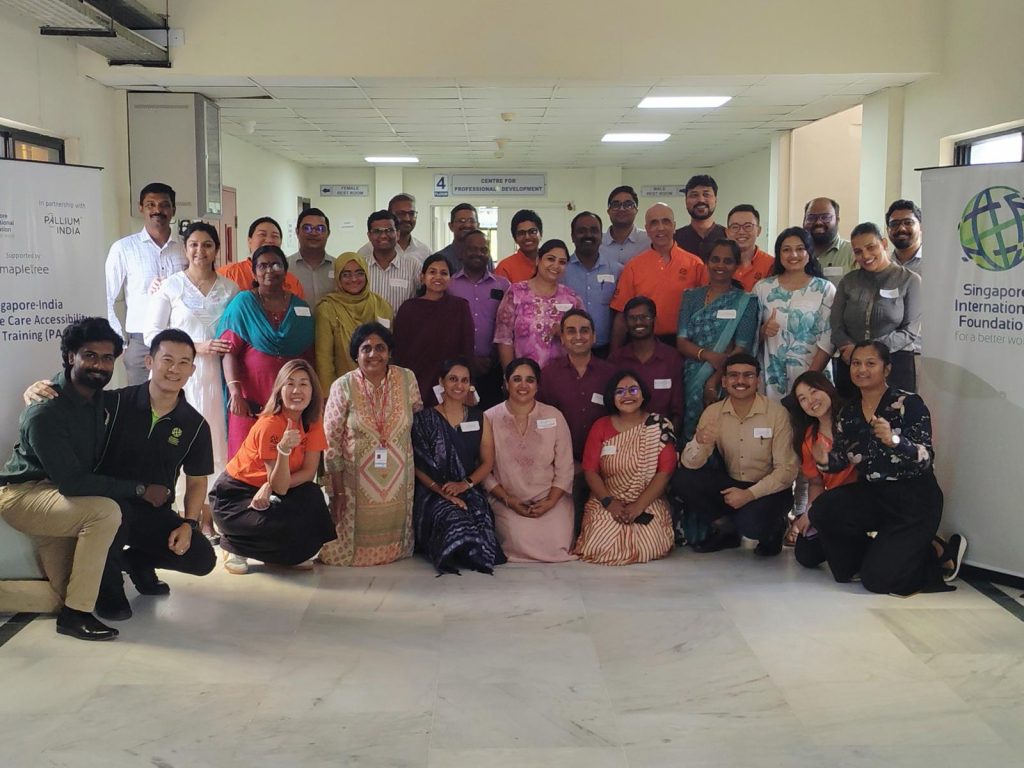
My three days in Chennai for Module 4 of the Singapore International Foundation (SIF) PACT programme felt like the latter.
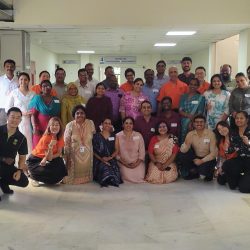
From 7–9 September 2026, we came together for a module that explored non-cancer palliative care, home hospice, rehabilitation, clinical governance, sustainability and leadership. But for me, the experience was about much more than the topics listed in the programme.
It was about pausing in the middle of our busy professional lives, stepping away from our familiar workplaces, and asking ourselves a more fundamental question:
What kind of palliative care system do we want to build? And what kind of leaders do we need to become to build it?
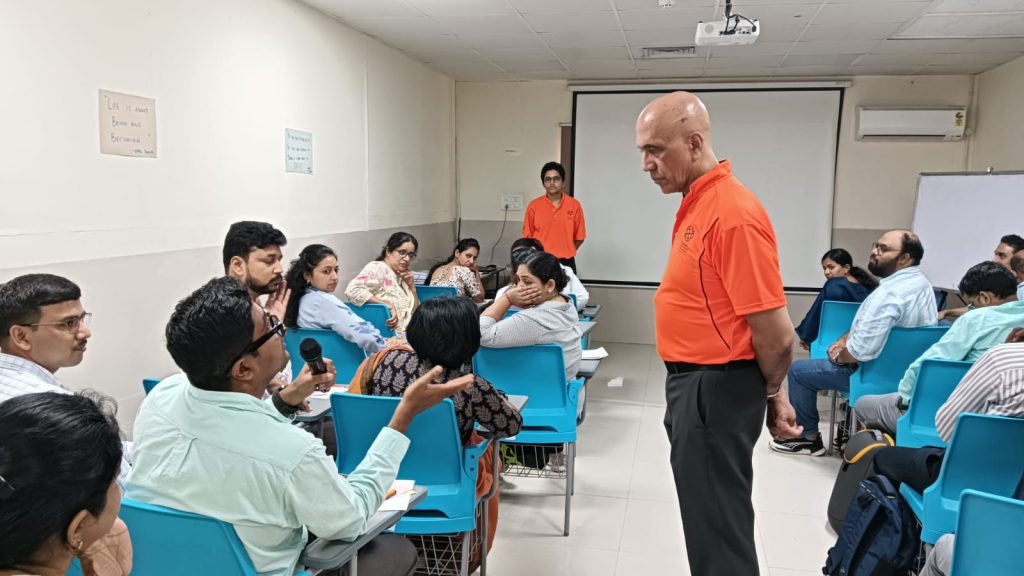
Chennai: the setting for a different kind of learning
There was something special about experiencing this together in Chennai.
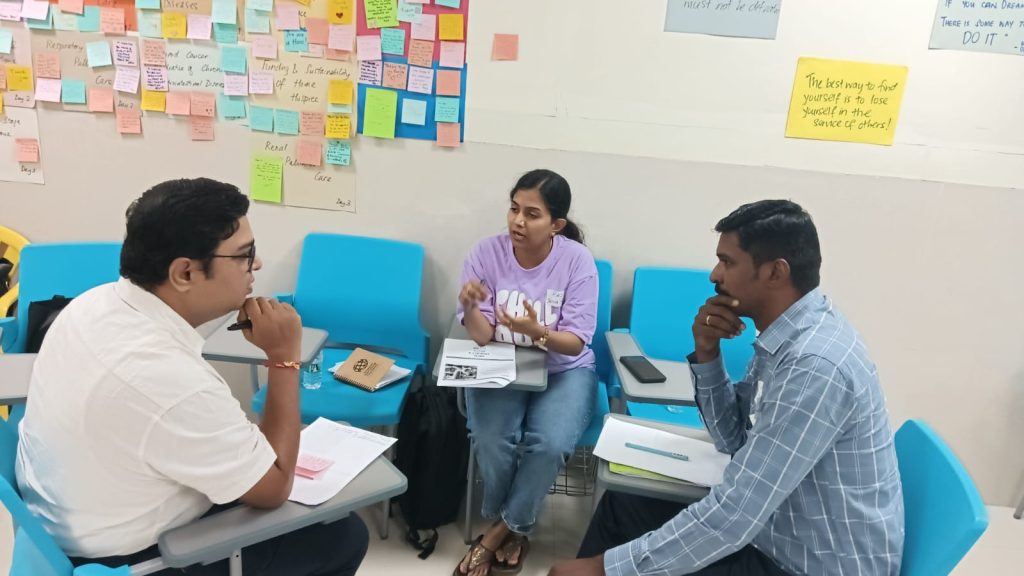
Away from our usual routines, we had the opportunity to meet, talk, disagree, reflect and learn with colleagues who came from different professional and organisational backgrounds.
Trivandrum Institute of Palliative Sciences (TIPS), Pallium India
| Beneficiaries reached till March 2026: | 30,682 | |
| Palliative Care centres / services catalysed: | 256 | |
| Stakeholders trained (virtual and onsite): | 12,375 |
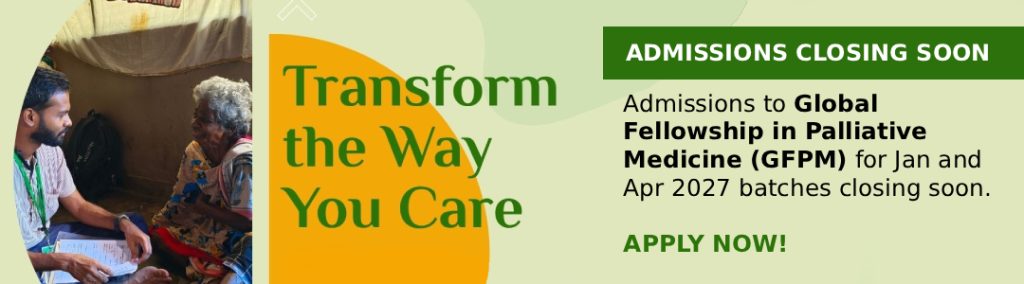
Global Fellowship in Palliative Medicine course is a one-year hybrid program
offered by Trivandrum Institute of Palliative Sciences, Pallium India.
Apply for the January 2027 Batch NOW!
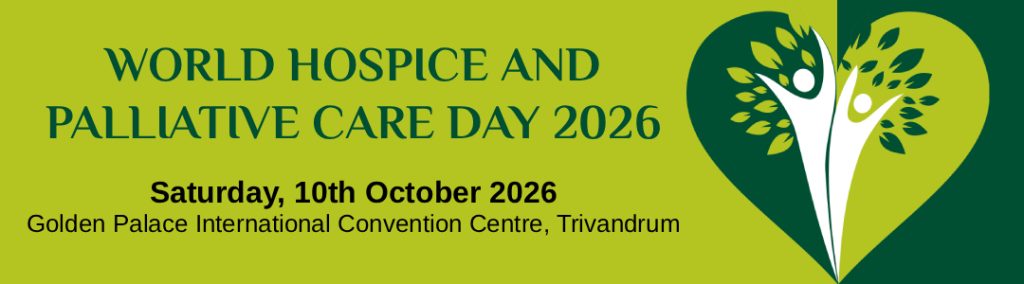
Watch this space in the next edition for complete details on the Day’s events
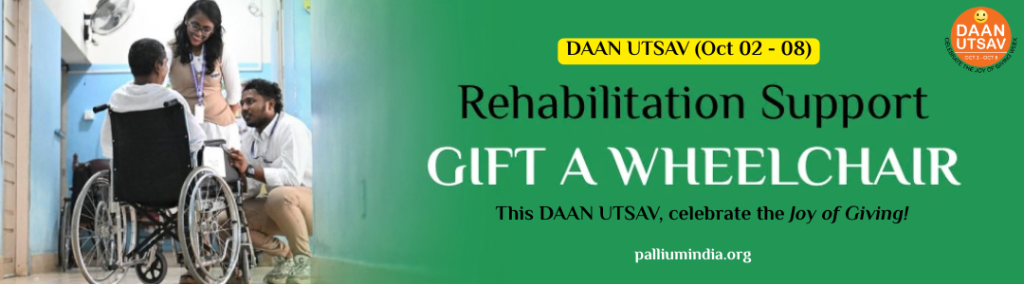
Pallium India is raising support to provide 35 wheelchairs for patients across our inpatient, outpatient, home-care and children’s palliative care services. The wheelchairs will support patients with paraplegia, quadriplegia and other severe mobility limitations in our care.
With generous supporters, we have almost raised 50% of the goal. Your contribution can help us bridge the remaining gap and provide patients with greater mobility and independence.
This Daan Utsav (Oct 02 – 08) celebrate the Joy of Giving.
Every contribution brings us closer to completing this essential requirement.
For more details and to contribute, click here!
Upcoming Events, Trainings & Conferences
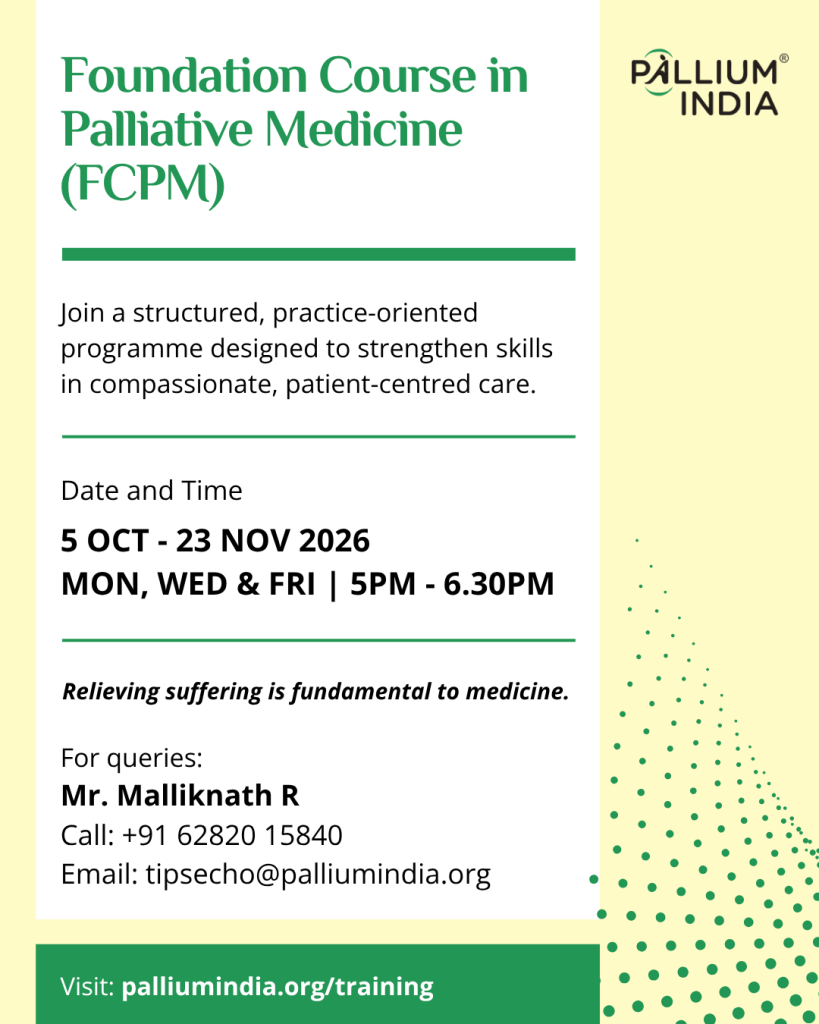

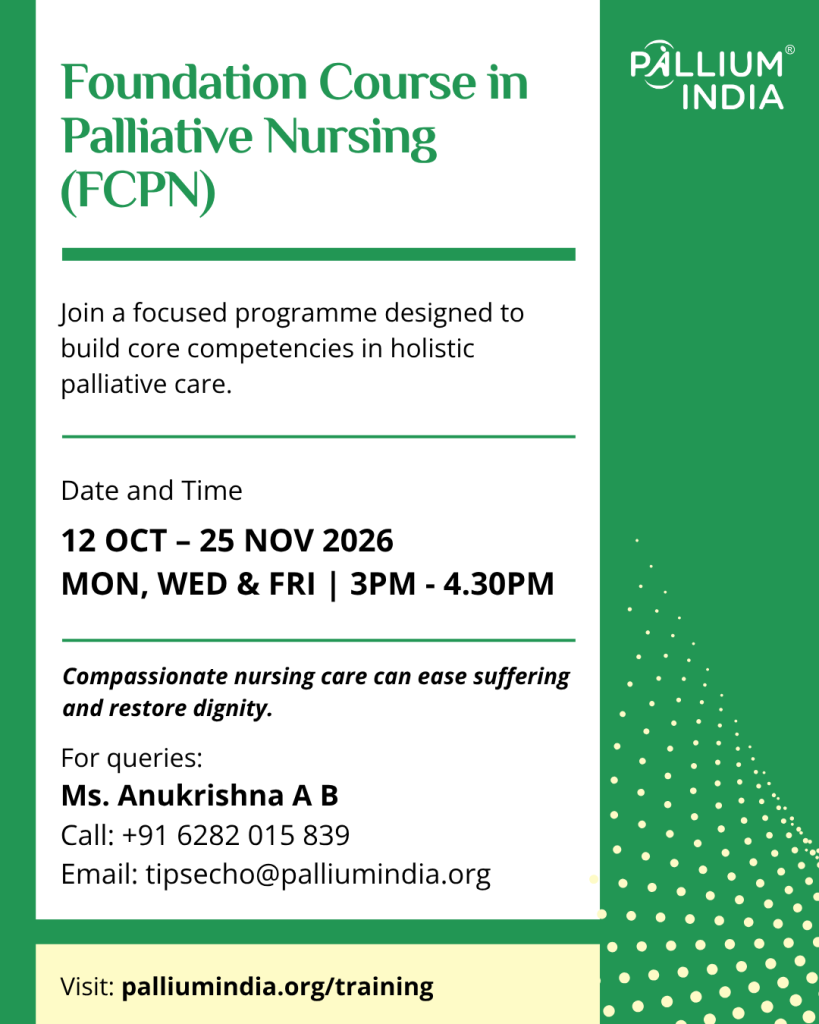

Openings
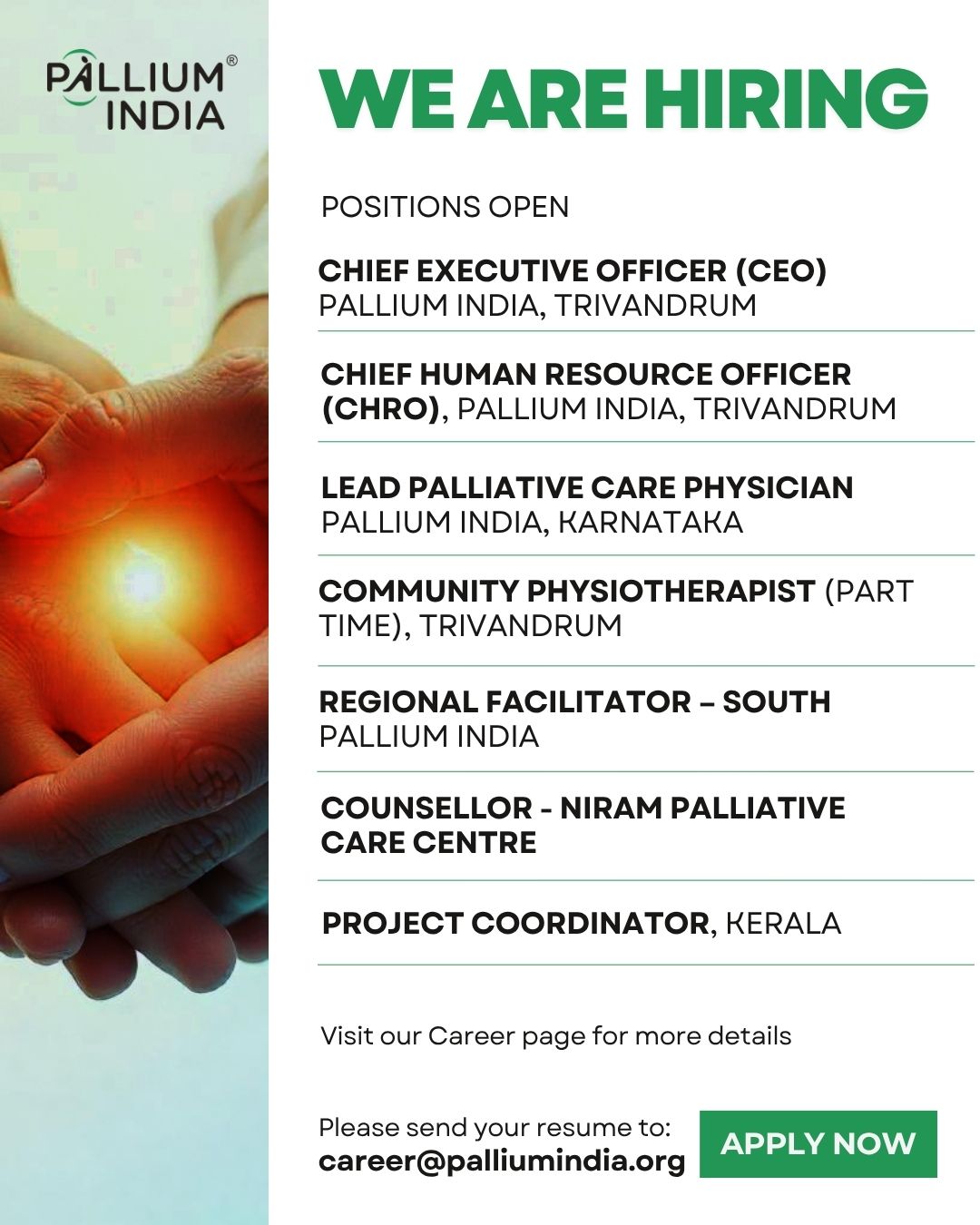
For more openings, visit our CAREERS page:
https://palliumindia.org/category/career
In case of queries, please write to us: [email protected]
Stay tuned for palliative care news, views and updates
Reports / News / Articles
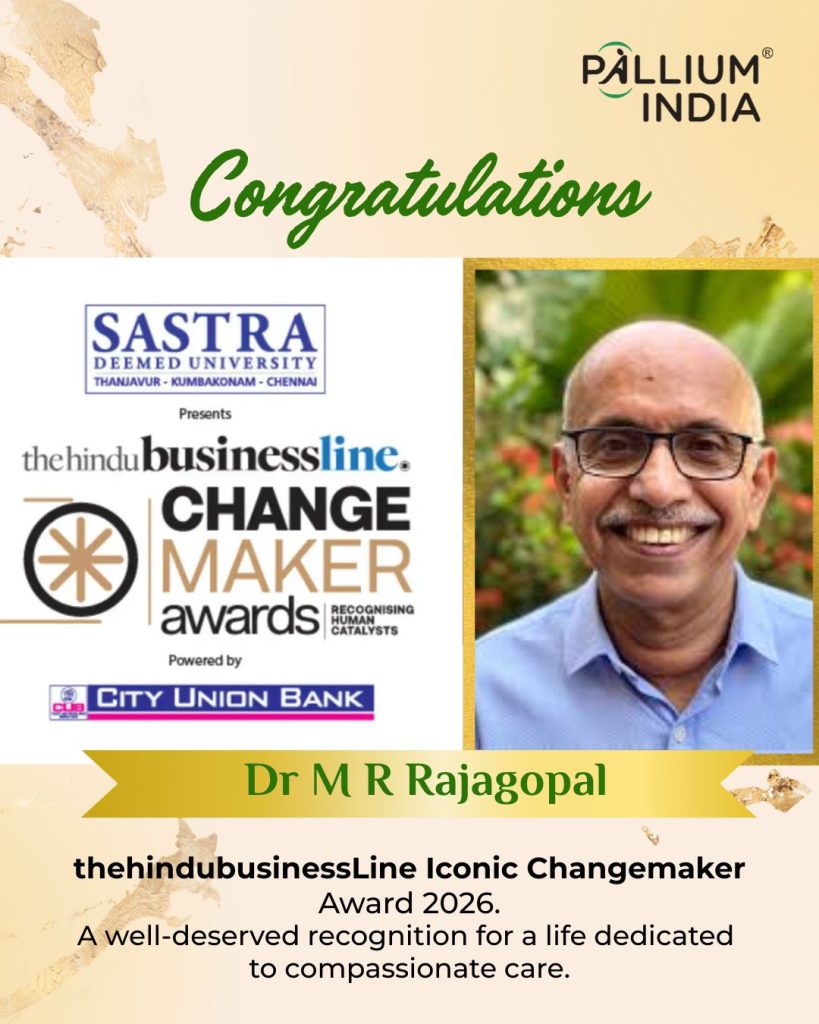
Heartiest congratulations to Dr. M. R. Rajagopal on receiving thehindubusinessline Iconic Changemaker Award 2026.
For decades, Dr. Rajagopal has championed the right to live with dignity, freedom from needless suffering, and access to palliative care for all. His work has helped place palliative care on the healthcare agenda and, more importantly, brought the voices and needs of people living with serious illness to the centre of care.
This recognition is a celebration not just of an individual, but of a movement that believes ‘every person deserves care, dignity and comfort—until the very end.’
Dr Rajagopal’s journey continues to inspire us to care better, listen deeper and build a more compassionate healthcare system.
Strengthening Opioid Availability for Palliative Care in Uttarakhand
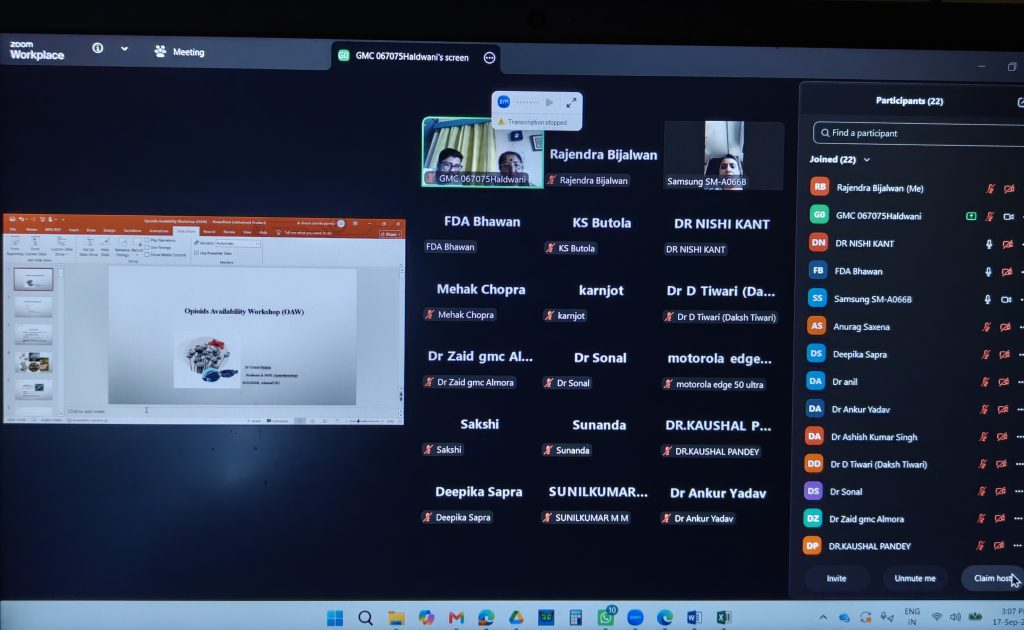
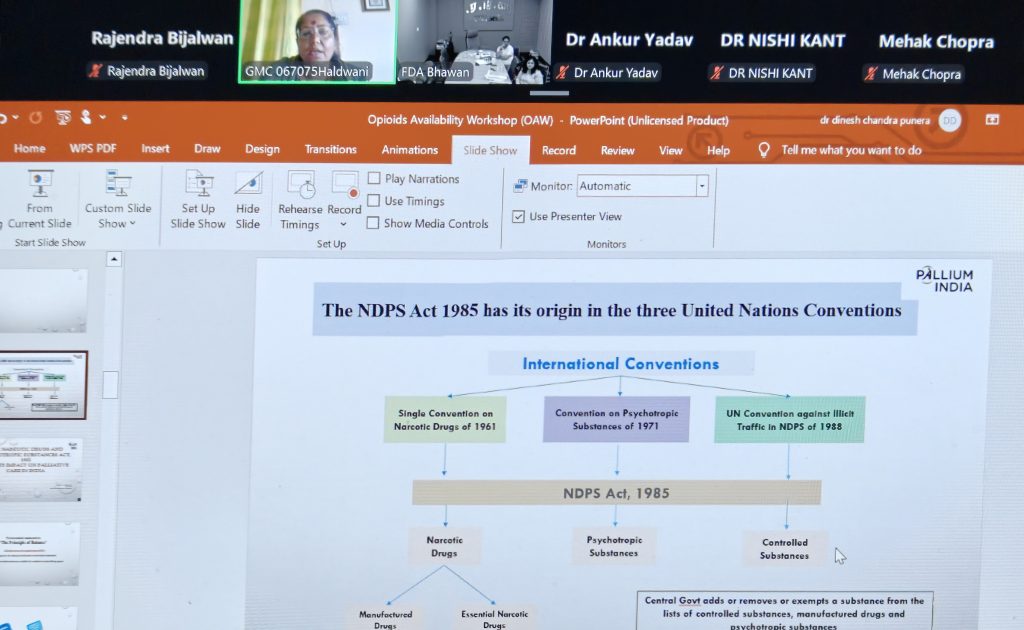
Pallium India conducted an Online Opioid Availability Workshop (OAW) for Uttarakhand on 17 September 2026, bringing together around 39 doctors and healthcare professionals who participated individually and through different medical college and institutional groups. The workshop also saw participation from the Uttarakhand FDA/Drug Control team, including Mr. Sudhir Surya, Assistant Drug Controller, and his team members.
The session was led by Dr. Urmila Palaria, Professor and HOD, Anaesthesiology, SSJGIMSR, Almora, who participated as a Pallium India representative and speaker. Her presentation covered the importance of opioid availability for pain relief, palliative care and cancer care, with a focus on balancing access to essential medicines with appropriate safeguards against misuse and diversion.
A significant part of the session focused on Essential Narcotic Drugs (ENDs), Recognised Medical Institutions (RMIs), and the practical requirements for procurement, storage, dispensing and documentation of opioids. The discussion also highlighted the importance of translating the existing regulatory framework into actual patient access.
Caring For a Patient Who Is Terminally Ill
A workshop: Equipping 148 nursing students to care for the dying with skill and compassion
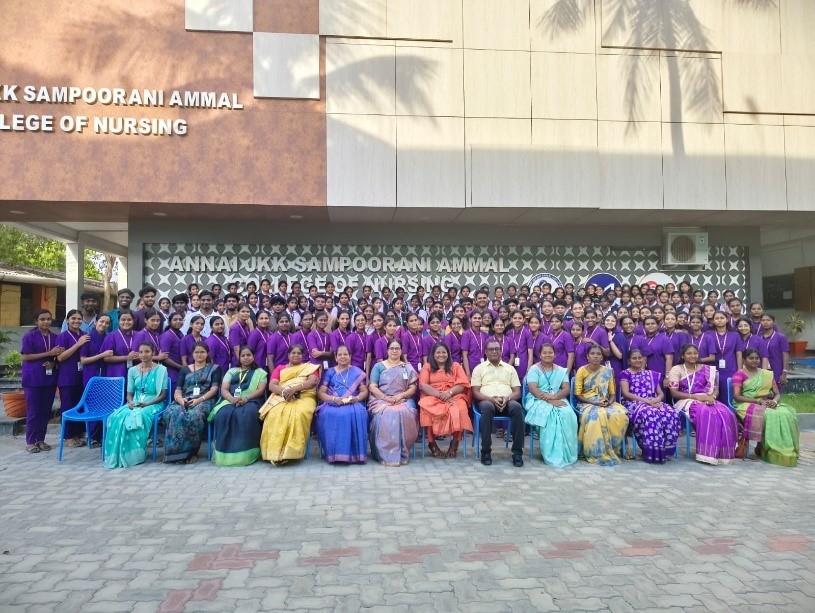
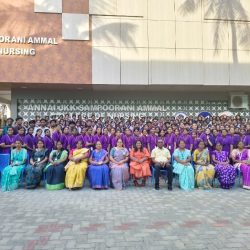
A one-day workshop on the care of the terminally ill patient was held on 31 August 2026 at Annai JKK Sampoorani Ammal College of Nursing, Komarapalayam, Tamil Nadu. Organised by the college’s Department of Nursing Foundation, it brought together 148 nursing students from three institutions: Annai JKK Sampoorani Ammal College of Nursing, Ambu College of Nursing and SSM College of Nursing.
The workshop was facilitated by Mrs Honey Mathew, Senior Palliative Care Nurse and National Palliative Care Nursing Faculty, Indian Association of Palliative Care (IAPC), and Dr Shani John Sequeira, Nursing Lead, Karnataka Mission, Pallium India. The faculty who took part will use the workshop as a ready module and teaching strategy to pass on these skills to their own students.
Aim and Approach
The workshop aimed to give students a clear understanding of terminal illness, death and dying, loss and grief. This included recognising the signs of impending death and the ways families respond to loss. Through case discussions, simulation and skills-based learning, students practiced essential nursing care, last offices, and compassionate communication with patients and families. The day began with a pre-test and an introduction to palliative care. Sessions followed on death and dying, the nurse’s role in caring for dying patients and their families, and the ethical and legal aspects of terminal care, including a brief discussion of Advance Medical Directives (AMD).
Psychological First Aid: Strengthening the Way We Support Grieving Families
A two-day session on Psychological First Aid was organised by Pallium India on the 23rd of September 2026. Led by Smt. Rajasree, Harshitha, and Navaneetha from our Psychology Team, the session provided innovative insights and direction for palliative care workers on supporting individuals coping with the loss of loved ones, navigating difficult life circumstances, and rebuilding their lives.
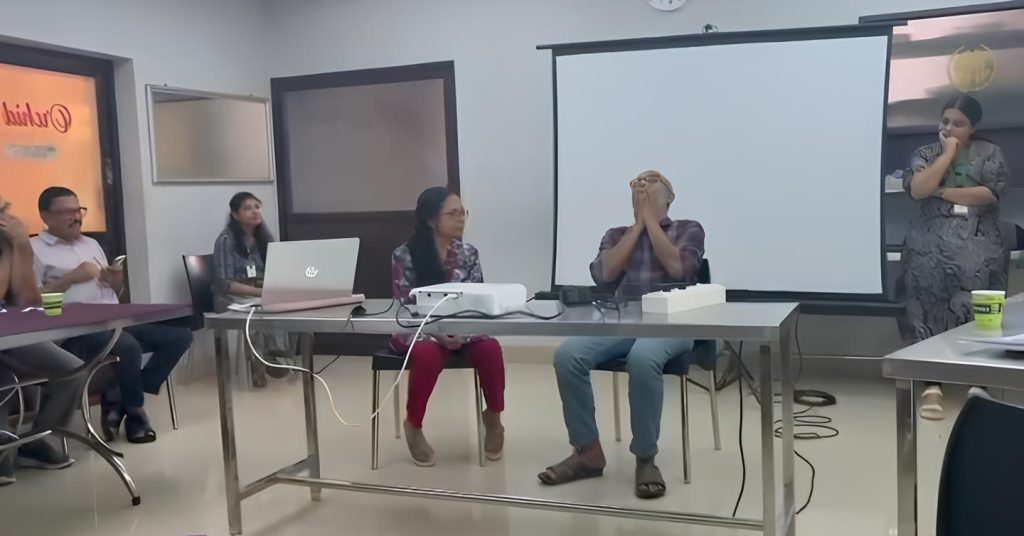
The sessions presented and discussed detailed guidelines regarding post-loss responses, stages of grief, and practical steps we can take alongside grieving families to guide them back to life. The training also highlighted the nuances of our words, gaze, behavior, and body language. Through role-plays, participants gained a hands-on understanding of the do’s and don’ts in these sensitive interactions. Ultimately, the sessions empowered care workers to instill confidence in families needing bereavement support, enabling them to manage their challenges independently in the future. It is also worth highlighting that the VTP (Voluntary Training Program) was specially crafted to achieve these exact objectives.
Video of the Month
Pain. Choices. Dignity.
What does it truly mean to care for someone living with pain, serious illness or a life limiting condition?
In this fireside conversation, Vachasamrita (Lupus patient and Chair, Lupus Trust India) speaks with Padma Shri Dr. M. R. Rajagopal, a pioneer of palliative care in India and founder of Pallium India, about his book Walk with the Weary and the many questions that surround living, suffering, caring and dying.
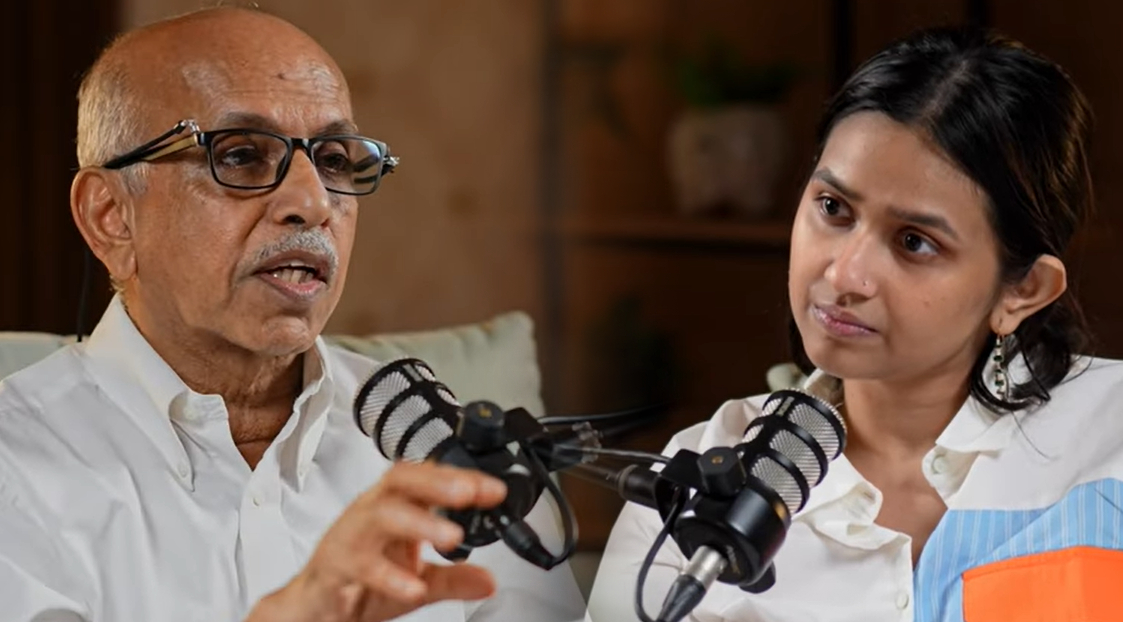
Subscribe to Pallium India’s YouTube channel for videos related to palliative care and our activities. You can watch previous webinars and training sessions, as well as listen to caregivers, survivors and others sharing their experiences.
Join us in making India pain-free! Subscribe to our newsletter for updates.
Book of the Month
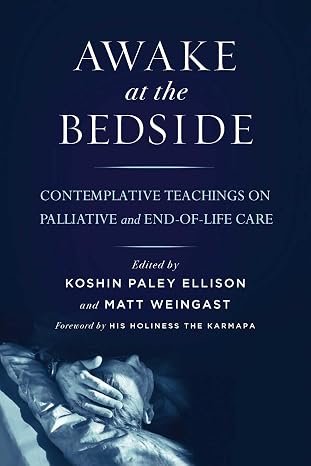
Awake at the Bedside: Contemplative Teachings on Palliative and End-of-Life Care
Koshin Paley Ellison (Editor), Matt Weingast (Editor).
How do we think about death? How do we think about the dying? What’s the current state of palliative and end-of-life health care, and how can we improve it? And how do we give care without becoming emotionally and spiritually depleted? In Awake at the Bedside, pioneers of palliative and end-of-life care — as well as doctors, Dharma teachers, chaplains, poets, and caregivers of all kinds — offer insights on incredibly challenging questions like these. This book isn’t about dying. It’s about life and what life has to teach us. It’s about caring and what giving care really means. Equal parts instruction manual and spiritual testimony, it includes specific instructions and personal accounts to inspire, counsel, and teach. An indispensable resource for anyone involved in hospice work or caregiving of any kind.
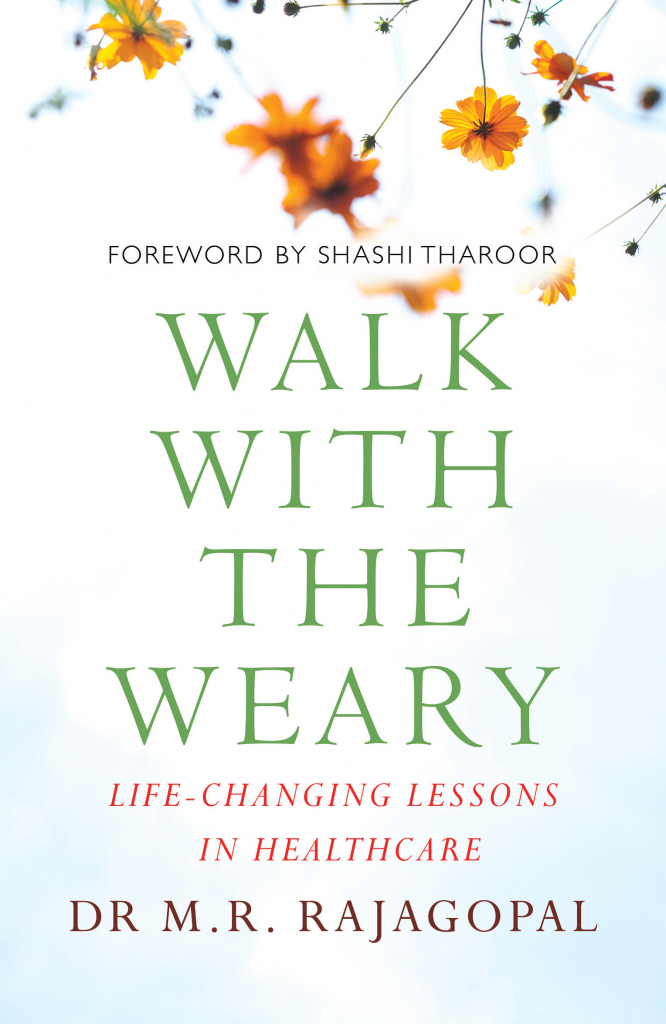
Walk with the Weary – by Dr M R Rajagopal
A masterclass in how to care for others deeply and compassionately no matter who they are, Walk with the Weary is simultaneously the story of Dr Rajagopal’s life and his calling and the world of Indian palliative care.

Palliative Care Telehealth
Call us: +91 964 588 4889 /
+91 860 688 4889

Parting Shot
The Prayer I Never Thought I’d Pray
There is a sentence I never thought my heart would be capable of holding.
I want my father’s suffering to end, even if it means losing him.
Even writing those words makes my fingers hesitate. They look cruel on a screen. Detached from context, they sound like abandonment. Like love has run out.
But love has not run out.
Love has simply changed its prayer.
For weeks, I prayed for miracles. For scans to be wrong. For medicines to work. For one more treatment. One more opinion. One more day where he would sit up a little longer, eat a little more, smile a little wider.
Then cancer taught me a language I never wanted to learn.

Now, my father sleeps almost all day. He opens his eyes only briefly. We crush his medicines and mix them into a spoonful of liquid diet because swallowing has become a task too heavy for his body. He wakes for a few sips of water, answers my questions in monosyllables, and drifts back into sleep.

Pallium India Newsletter: Global Communications Partner
For weekly news from around the world for everything to do with hospice and palliative care: Register Here
Follow us on Social Media for updates
Contact us: [email protected] / 97467 45497
Thank you for reading our newsletter. Read previous issues here
Don’t miss any updates! Subscribe to receive our monthly newsletter via email:
https://palliumindia.org/newsletter
Have feedback? Let us know. Write to us: [email protected]



Leave a Reply