
Three Days in Chennai, A Journey Beyond Clinical Care
Reflections from SIF PACT Module 4
Sometimes, a learning programme ends when the last session is over.
And sometimes, you leave the room with the feeling that something has changed in the way you see your work.
My three days in Chennai for Module 4 of the Singapore International Foundation (SIF) PACT programme felt like the latter.
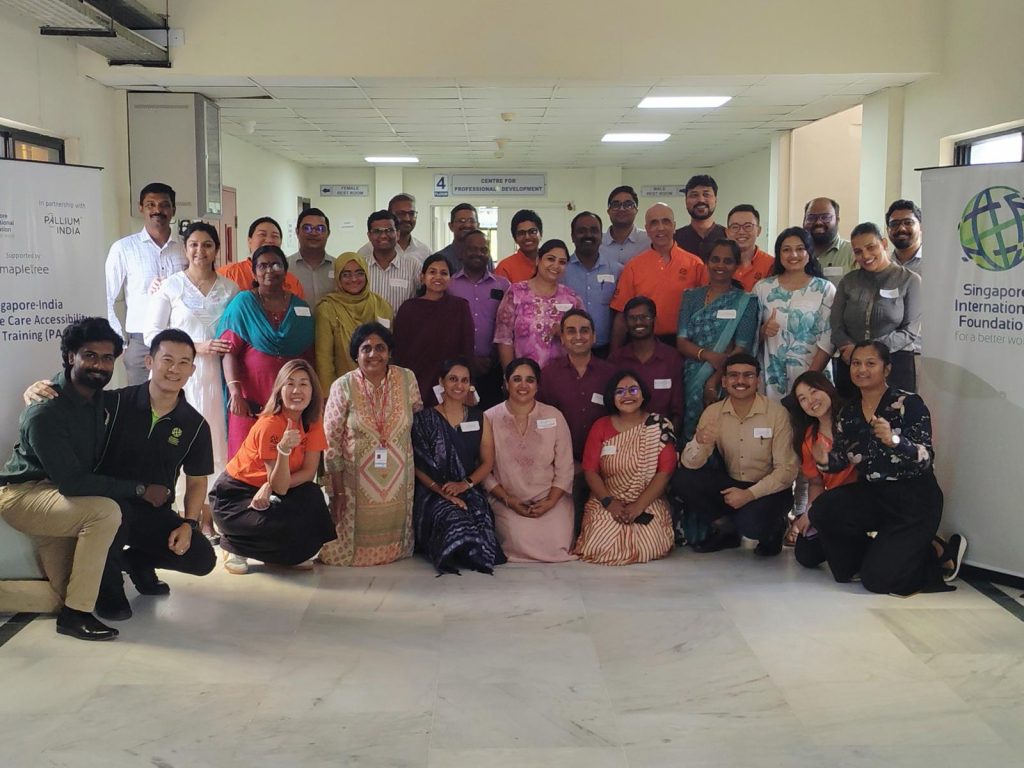
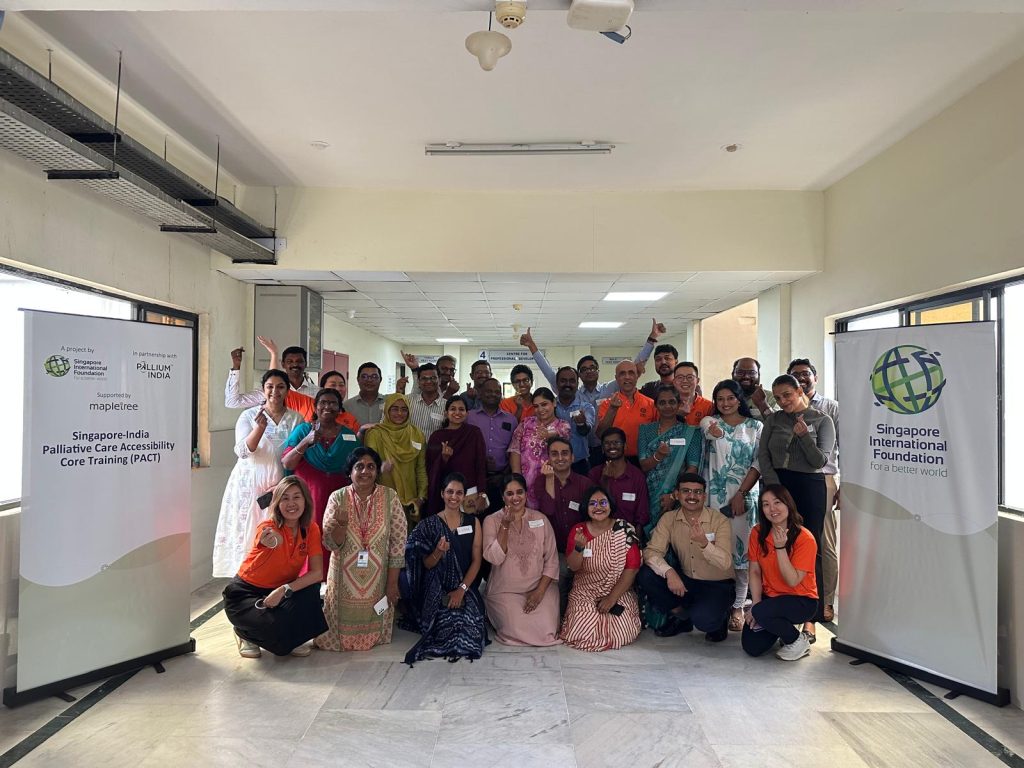
From 7–9 September 2026, we came together for a module that explored non-cancer palliative care, home hospice, rehabilitation, clinical governance, sustainability and leadership. But for me, the experience was about much more than the topics listed in the programme.
It was about pausing in the middle of our busy professional lives, stepping away from our familiar workplaces, and asking ourselves a more fundamental question:
What kind of palliative care system do we want to build? And what kind of leaders do we need to become to build it?
Chennai: the setting for a different kind of learning
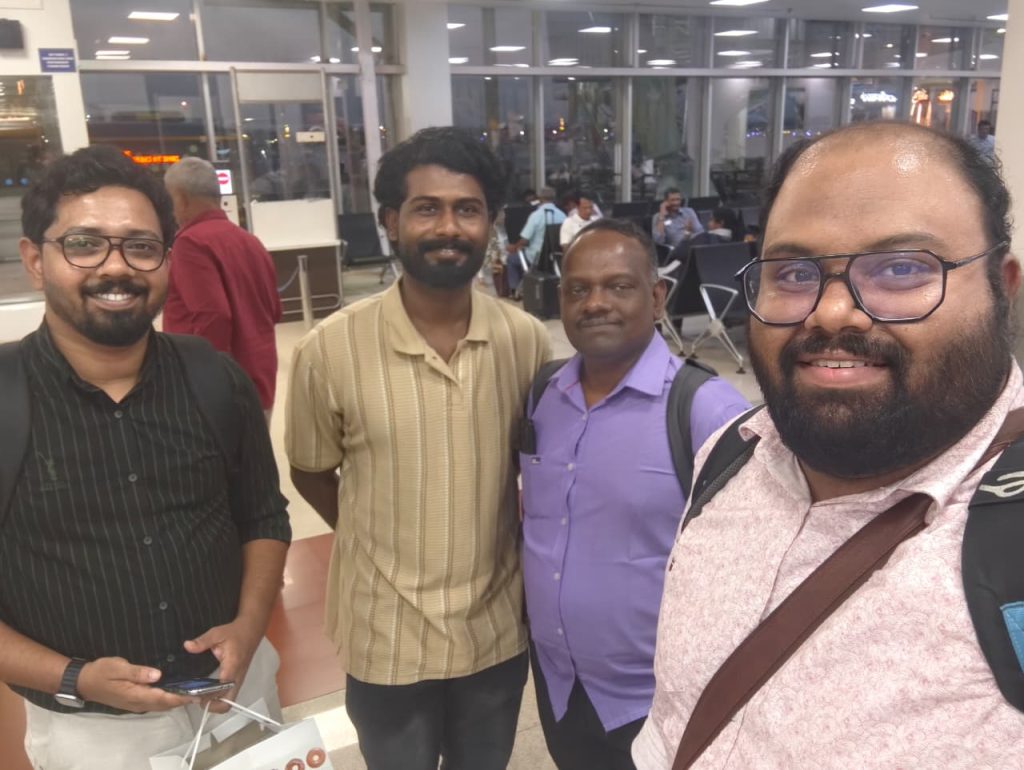
There was something special about experiencing this together in Chennai.
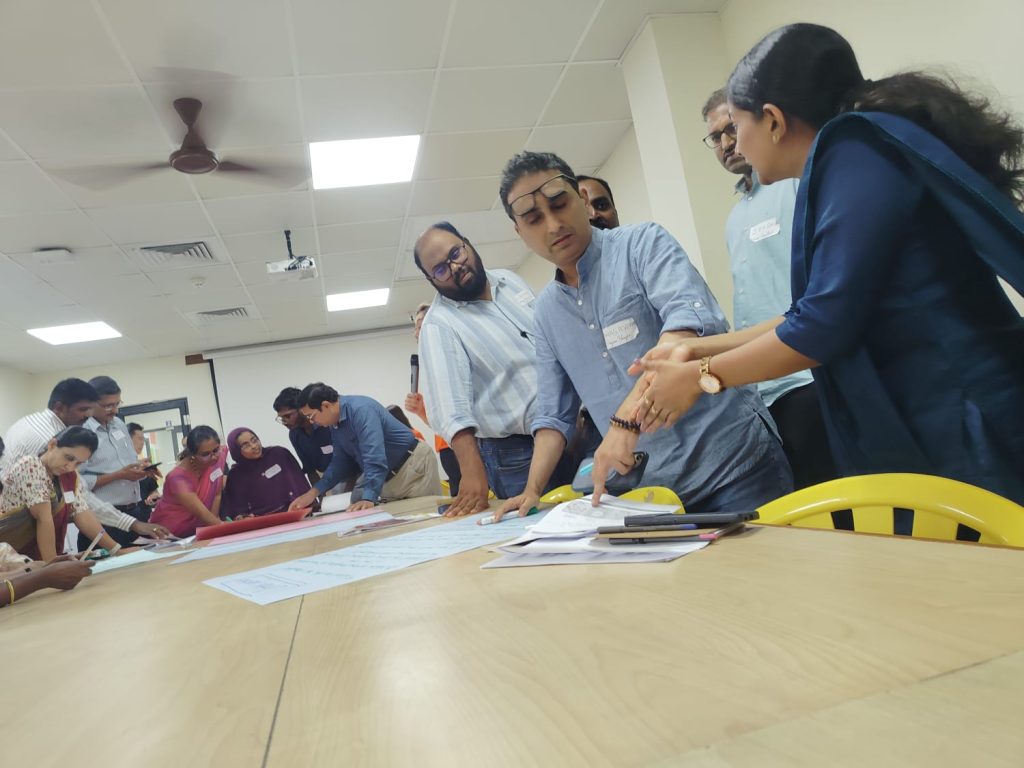
Away from our usual routines, we had the opportunity to meet, talk, disagree, reflect and learn with colleagues who came from different professional and organisational backgrounds.
The classroom was not simply a classroom.
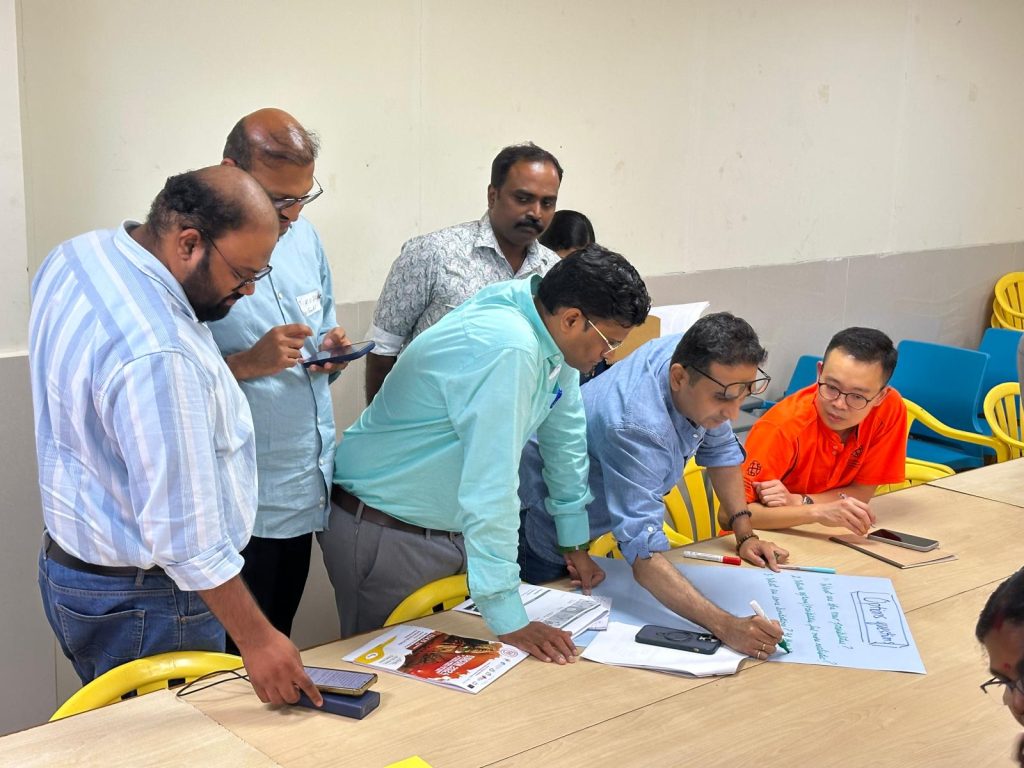
It became a space where clinical experiences met organisational realities, where successes were shared alongside frustrations, and where seemingly different challenges often turned out to have something in common.
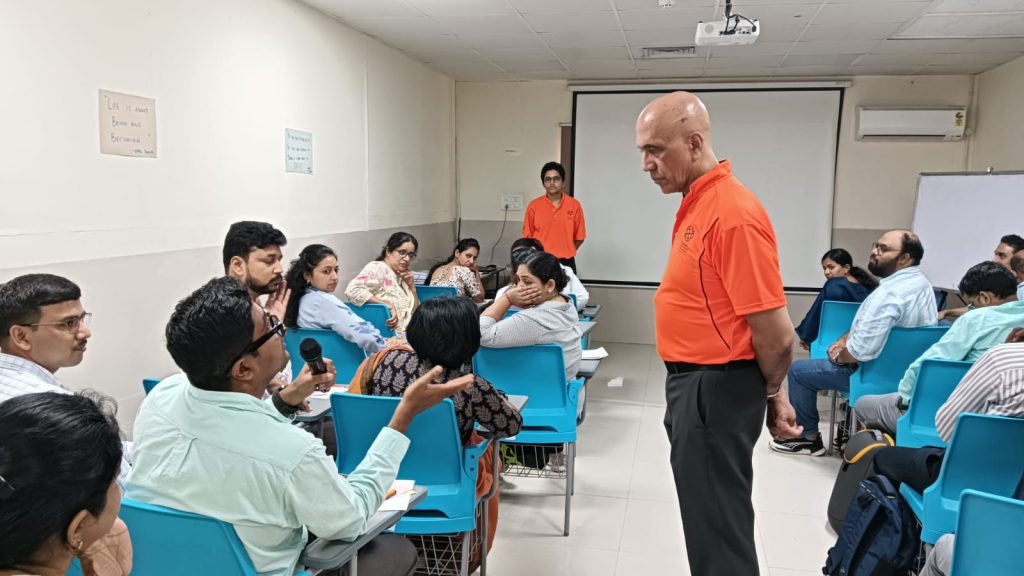
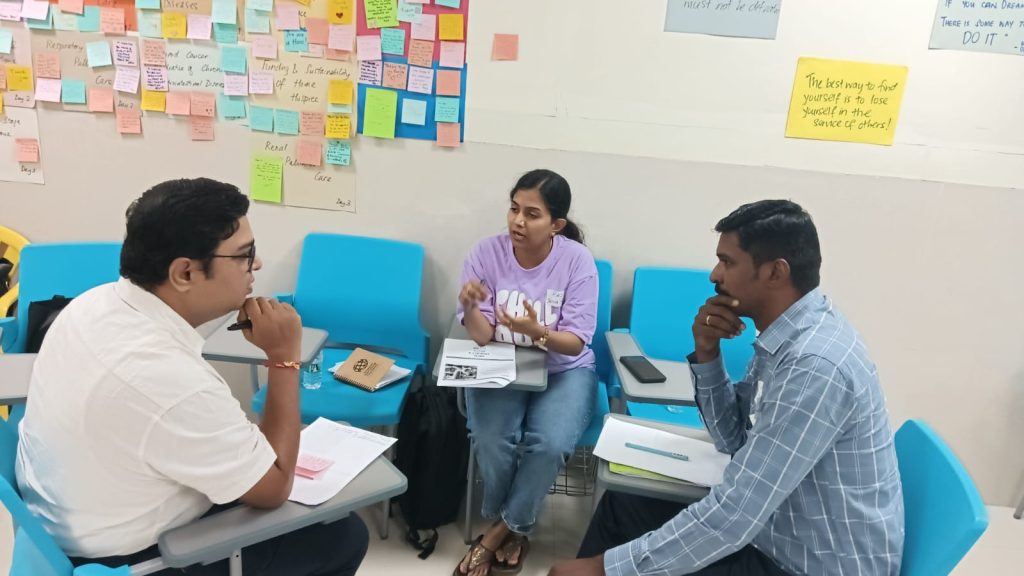
The faculty brought their own experiences and perspectives, but some of my most valuable learning happened during the conversations between the sessions—over discussions, reflections and exchanges with fellow PACT participants. That, for me, is one of the greatest strengths of the PACT experience.
Looking beyond cancer
The module began by taking us firmly beyond the traditional boundaries of palliative care. We explored the foundations of good home hospice services and what it takes to set up and scale them. We then moved through palliative rehabilitation, cardiac palliative care and care for people living with neurodegenerative diseases.
On the second and third days, the conversations continued into respiratory palliative care, chronic gastrointestinal diseases, end-stage COPD and renal palliative care. As someone working in palliative care, I found myself repeatedly returning to one thought: ‘There is so much suffering outside the boundaries of cancer care that still needs to be recognised, assessed and addressed.’ The challenge is not simply knowing that these patients need palliative care. The challenge is building systems that can find them, reach them and care for them well.
From individual patients to systems
Perhaps what made this module particularly relevant to me was the way it moved from the bedside to the system. We discussed clinical governance and standards in home hospice, followed by the difficult but essential question of funding and sustainability. These are not always the most glamorous conversations in healthcare. But they are the conversations that determine whether a good idea becomes a good service – and whether that service survives beyond the enthusiasm of its initial phase.
This resonated deeply with my own work at Pallium India, where much of our work involves not only providing palliative care, but also trying to build, strengthen and integrate services within hospitals and communities.
The module reminded me that scaling palliative care is not simply about increasing numbers. It is about scaling quality, relationships, systems and accountability.
And then came leadership
For me, the most unexpected part of the module was how strongly the learning connected back to leadership. We explored coaching conversations using the GROW model, followed by understanding behavioural styles through the DISC framework. Initially, these may sound like topics far removed from clinical palliative care. But as the conversations progressed, their relevance became increasingly obvious.
In our work, we are constantly trying to influence, coordinate, support and lead people – doctors, nurses, social workers, allied health professionals, administrators, volunteers and community teams. And leadership is not always about telling people what needs to be done. Sometimes it is about asking the right question. Sometimes it is about listening long enough.
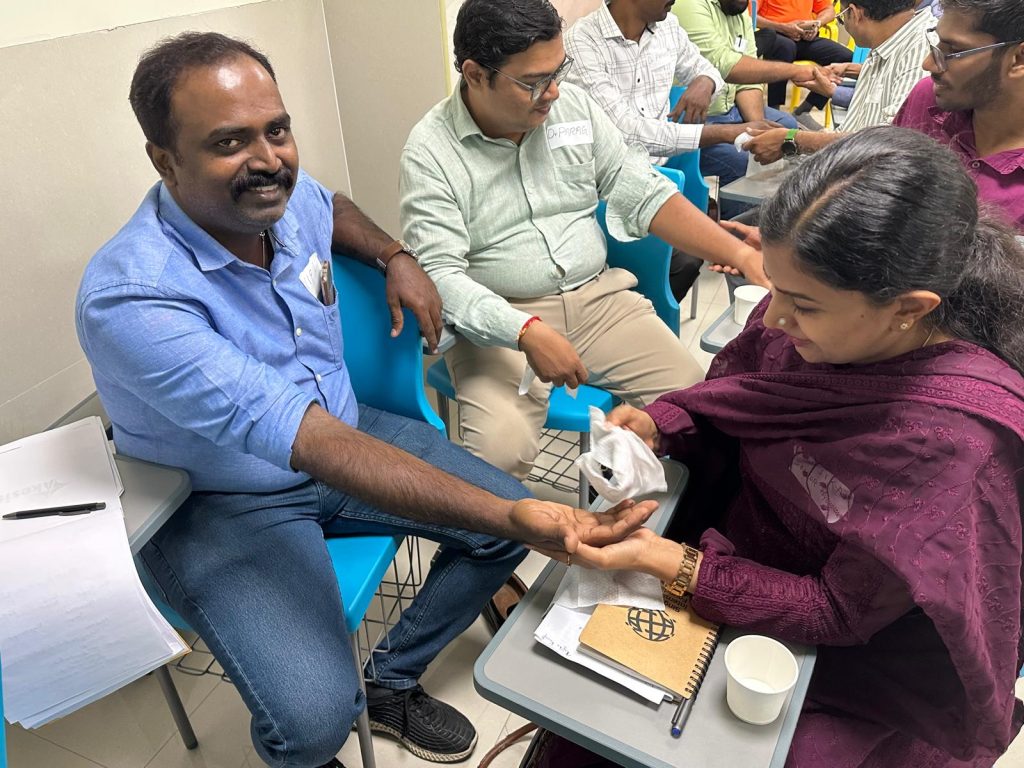
Sometimes it is about understanding why two people approach the same problem completely differently. And sometimes leadership is simply about creating enough space for another person to find their own solution. The final DISC+GROW Learning Circle brought many of these reflections together.
The conversations that stayed with me
One of the highlights of the PACT journey has been the opportunity to hear from people who approach palliative care from different perspectives.
Every participant brought a different story. Different health systems. Different organisations. Different professional journeys. Different challenges.
Yet there was a remarkable common thread. We were all trying, in our own ways, to answer the same question: ‘How do we make care better for people and families living with serious illness?’
That sense of shared purpose is something I will carry with me from Chennai.
More than a programme
I am grateful to Singapore International Foundation and Pallium India for creating this platform.
Programmes like PACT do something that conventional training programmes often cannot. They create a space where learning is not restricted to lectures or presentations. The structure allows participants to question, reflect, share experiences and learn from one another.
The combination of experienced international and local faculty, carefully chosen themes and participant-driven discussions made these three days particularly meaningful. The module itself deliberately combined lectures, group discussions, breakout sessions and learning circles. And perhaps that is the real strength of the partnership between SIF and Pallium India – creating opportunities not merely to transfer knowledge, but to develop people who can take that knowledge back into their organisations and communities.
Leaving Chennai
On the last afternoon, as the final learning circle came to an end, I found myself thinking about how different the feeling was from the first morning. We had arrived as participants. We left with new questions. And perhaps that is a better measure of meaningful learning than leaving with all the answers.
For me, the PACT experience is increasingly becoming a journey from knowledge to reflection, from reflection to action, and from individual action towards system change.
I return to my work at Pallium India with ideas that I want to test, conversations I want to continue and leadership lessons I want to practise.
And one thought from Chennai stays particularly strong: The future of palliative care will not be built by clinicians alone. It will be built by teams, systems, communities and leaders who are willing to learn, adapt and act together.
Three days. One module. Many conversations. And a journey that, I suspect, is only beginning.
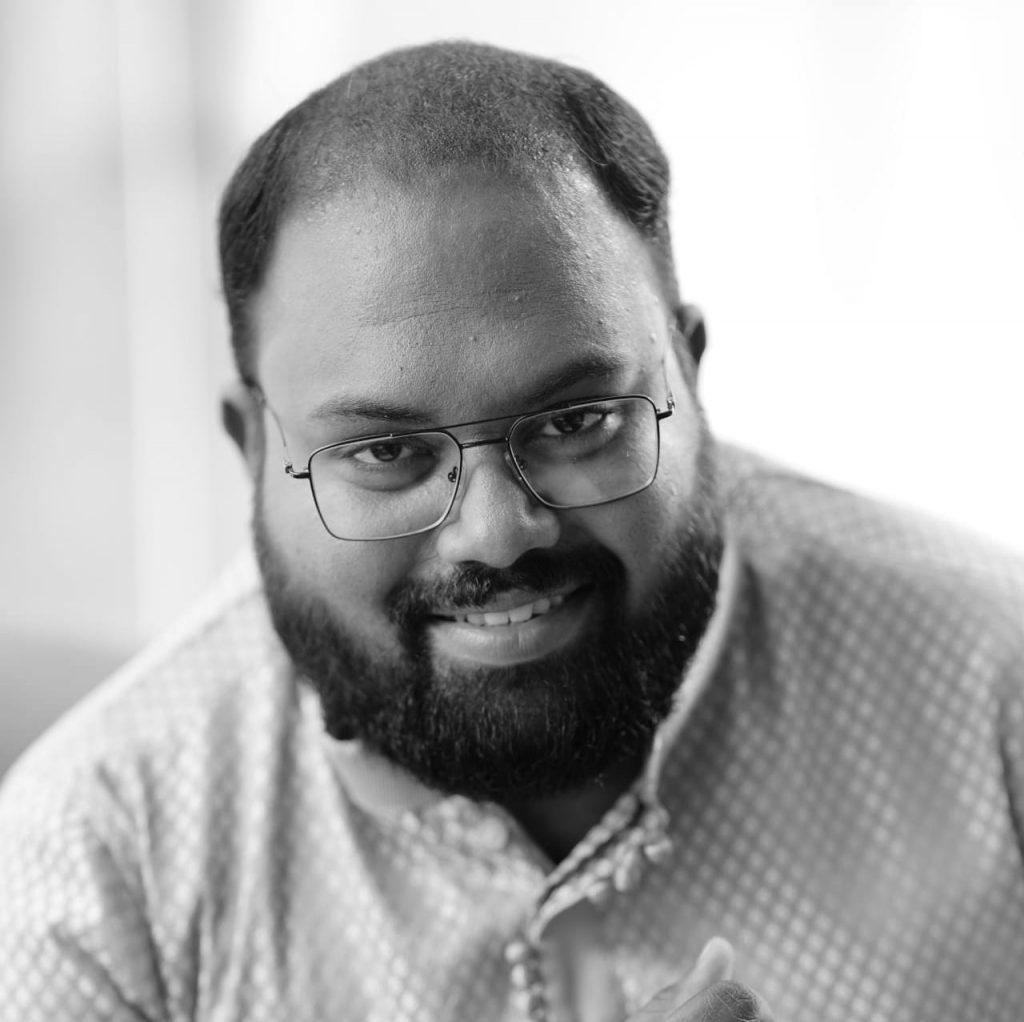
Dr Arjun Devarajan
Clinical Services In-Charge: Karnataka Mission