
Restoring Comfort, Dignity, and Hope
For more than a decade, Prakash Kumar Bastia lived with oral cancer.
Diagnosed with carcinoma of the buccal mucosa in 2013, the 42-year-old underwent surgery, radiotherapy, and chemotherapy in the hope of recovery. But despite years of treatment, the disease continued to progress. Over time, Prakash needed a Ryle’s tube for feeding and a tracheostomy tube to help him breathe.
Behind the medical struggle was a family trying their best to hold on.
Prakash lived with his wife and their two daughters, one in her 3rd year of college and the younger still in school. The family was already under severe financial strain, and his wife herself struggled with health issues. As Prakash’s condition worsened, so did the emotional exhaustion within the home.
By the time he was enrolled under Amrit Dhara Palliative Care Trust, the suffering had become overwhelming.
He had a large open wound in his mouth that emitted a strong foul smell. The wound had developed maggot infestation, causing immense discomfort and distress. The pain was severe, and both Prakash and his family were emotionally shattered. Caring for him had become physically and emotionally exhausting, and the family felt helpless, unsure of what to do next.
That was when the Amrit Dhara team stepped into their lives.
Instead of asking the family to travel repeatedly to hospitals, the team began visiting their home every two to three days, bringing care directly to Prakash where he was most comfortable — with his family.
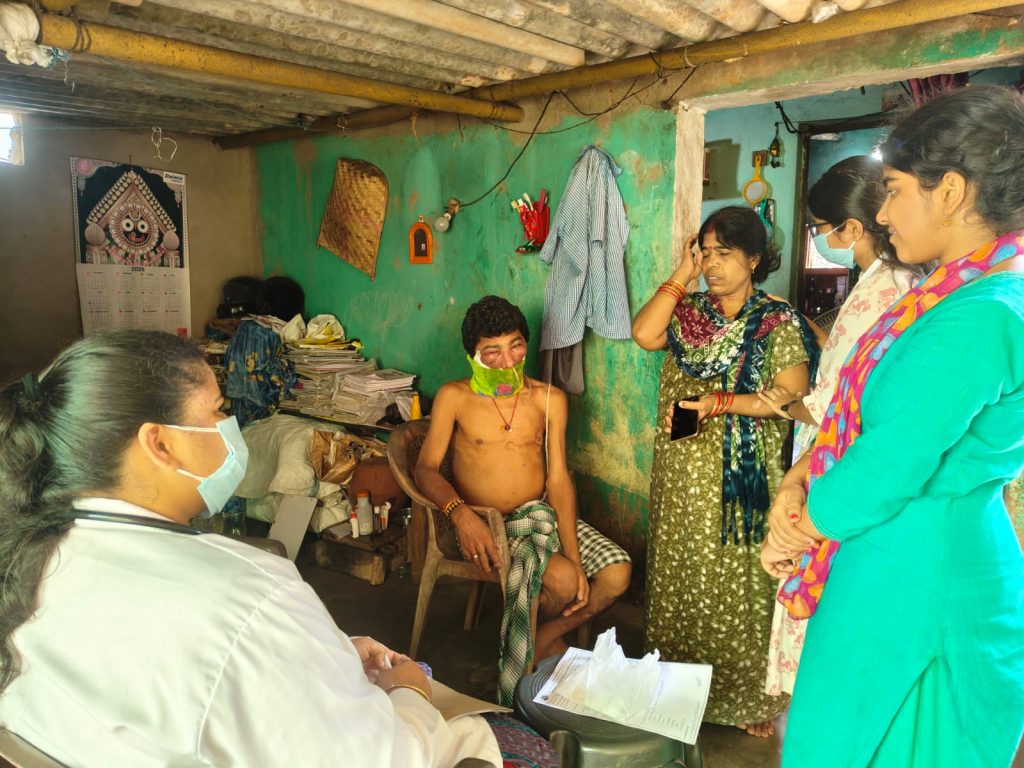
The visits were not just medical. They were deeply human.
The team carefully cleaned and dressed his wound, removing maggots using turpentine oil and managing the infection with patience and dignity. They ensured his pain was controlled with appropriate medications, including morphine, allowing him moments of comfort that he had not experienced in a long time.
Alongside medical care, the team guided the family through every step of caregiving – teaching them about oral hygiene, nutrition, wound care, and ways to keep Prakash comfortable at home. Teleconsultation support ensured that the family never felt alone during emergencies or moments of fear.
Slowly, things began to change.
The wound became maggot-free. His pain reduced significantly. His condition stabilised. Most importantly, the fear and helplessness within the family slowly gave way to confidence and reassurance.
For Prakash’s wife and daughters, the regular visits meant more than treatment. It meant that someone cared. Someone was willing to walk alongside them during one of the most difficult phases of their lives.
The family later shared that before Amrit Dhara’s involvement, they had never received proper guidance or support on how to care for Prakash at home. The compassionate presence of the palliative care team brought them immense relief and emotional strength.
Even after Prakash passed away, the care did not end.
Within a few weeks, the Amrit Dhara team returned to the family for a bereavement visit, sitting with them, listening to their grief, and helping them navigate the painful silence left behind. Prakash’s story is a reminder that palliative care is not only about managing illness. It is about restoring dignity in suffering, easing fear, supporting families, and ensuring that no one has to walk through pain alone.
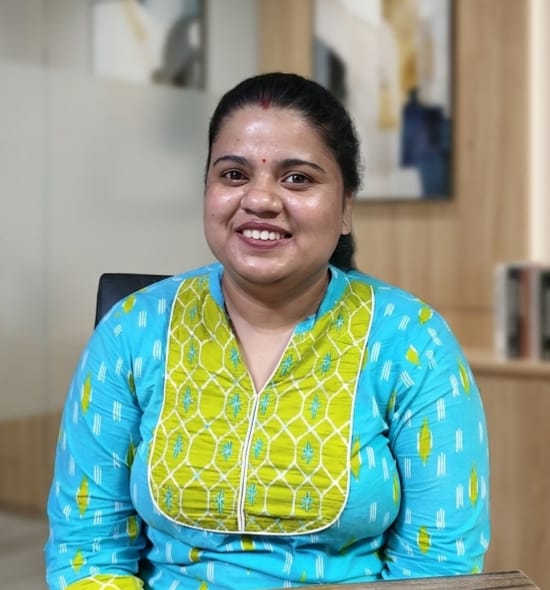
Dr. Pragati Panda
Amrit Dhara Palliative Care
Bhubaneshwar, Odisha