
May 2026


This month we observe International Nurses’ Day on the 12th of May and through our newsletter’s theme, “Nurses, In Every Role They Hold,” we take the opportunity to look beyond the uniform. We make an attempt to honour a fuller picture. To recognise the countless ways nurses, continue to care – within hospitals, hospices, communities, and homes. To acknowledge the invisible labour that often goes unnoticed. And to celebrate the quiet strength with which they continue to hold together some of the most fragile moments in people’s lives.
Because care does not begin or end with a shift.
Editorial: Beyond The Uniform
There is a moment in almost every nurse’s day, particularly women, that goes unseen. It happens before the hospital rounds begin, before medicines are administered, before charts are updated and patients are looked after. It begins much earlier, often, in the quiet hours of the morning.
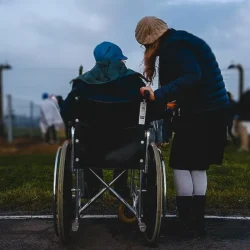
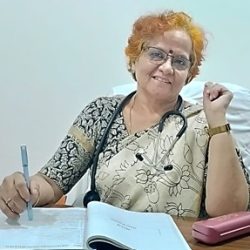
A nurse wakes before the rest of the household. Meals are prepared, children are readied for school, elderly parents are attended to, household responsibilities are organised. Then begins the commute into a day filled with physical demands, emotional labour, clinical precision, and difficult conversations. At work, they move constantly between urgency and empathy – managing pain, responding to crises, filing charts, comforting families, supporting colleagues, and holding space for suffering that cannot always be cured.
And at the end of the shift, many return home to begin another kind of caregiving.
This International Nurses’ Day, as we celebrate nurses and their invaluable contribution to healthcare, it is important that we also look beyond the uniform. Especially in palliative care, where the work is deeply human, nursing is not merely a profession. It is emotional endurance, invisible labour, and often, a lifelong act of care carried across multiple spaces.
Welcome to a new edition of Pallium India’s newsletter. Thank you for joining us. Here you can find updates from the palliative care world, upcoming events including training for professionals and volunteers, interesting articles, career opportunities and so on.
. Read previous issues of the newsletter | Ask your friends to subscribe .
Beyond the Sessions: Reflections from the Field
Planting Hope in Rocky Soil
A Reflection on Palliative Care Outreach in Rajaji Nagar
Walking into the Gandhismaraka Janasevanasamithi at Chengalchoola, officially Rajaji Nagar, on that March morning, Friday the 13th, the air felt heavy with more than just the oppressive heat. As a student social worker, I have learned that every neighbourhood has a pulse, and Rajaji Nagar’s pulse is one of gritty resilience mixed with deep-seated struggle. This is an area shaped by intersecting structural challenges such as poverty, substance use concerns, and the visible strain of poor waste disposal mechanisms. While we arrived to discuss healthcare, the backdrop of the community was impossible to ignore.
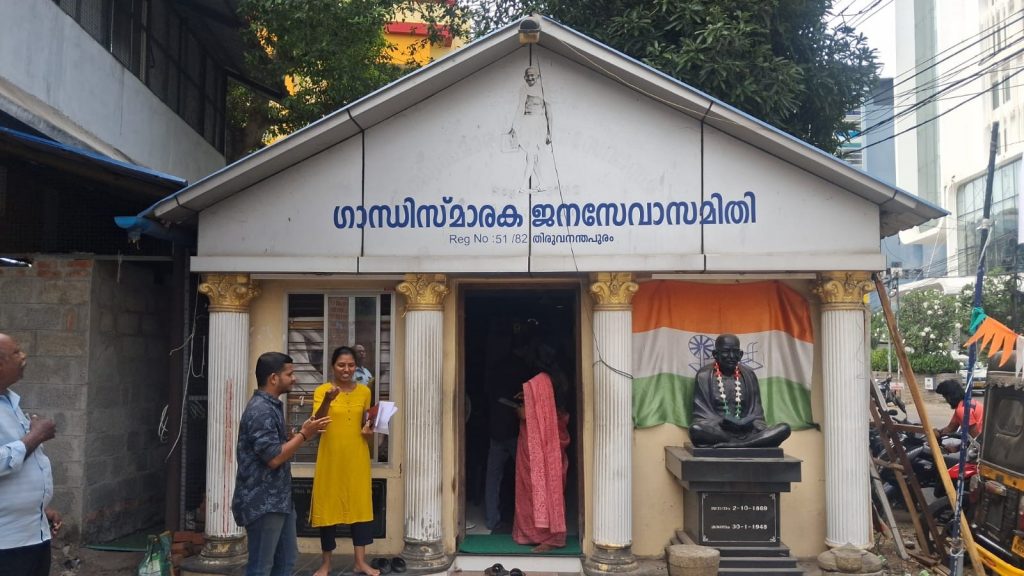
My first personal reflection of the day was a sobering realisation: how do we talk about palliative care, a concept focused on quality of life, to a mother or father who is struggling to secure their next meal? In this setting, healthcare is often viewed as a luxury rather than a right. Many families have limited access to health information and services due to competing survival priorities, not because they lack understanding, but because their daily survival takes precedence over preventive or supportive care.
A Tapestry of Joy, Care, and Compassion
Kuttikoottam 2026
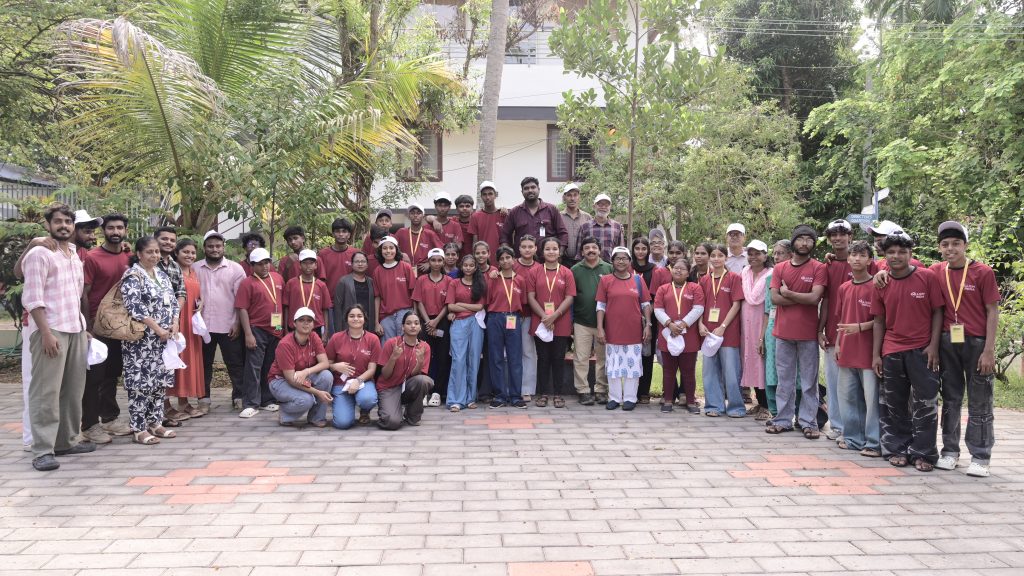
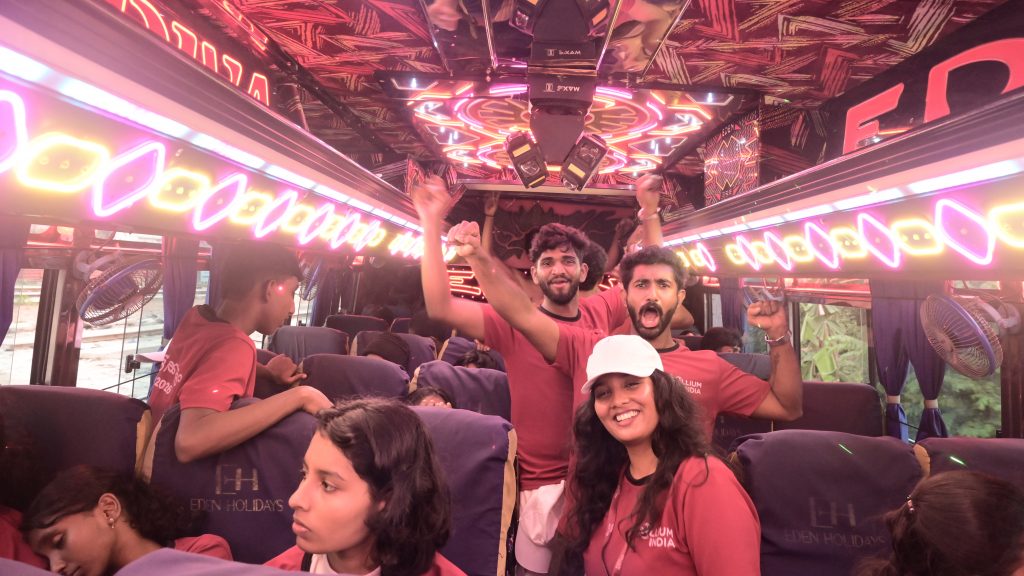
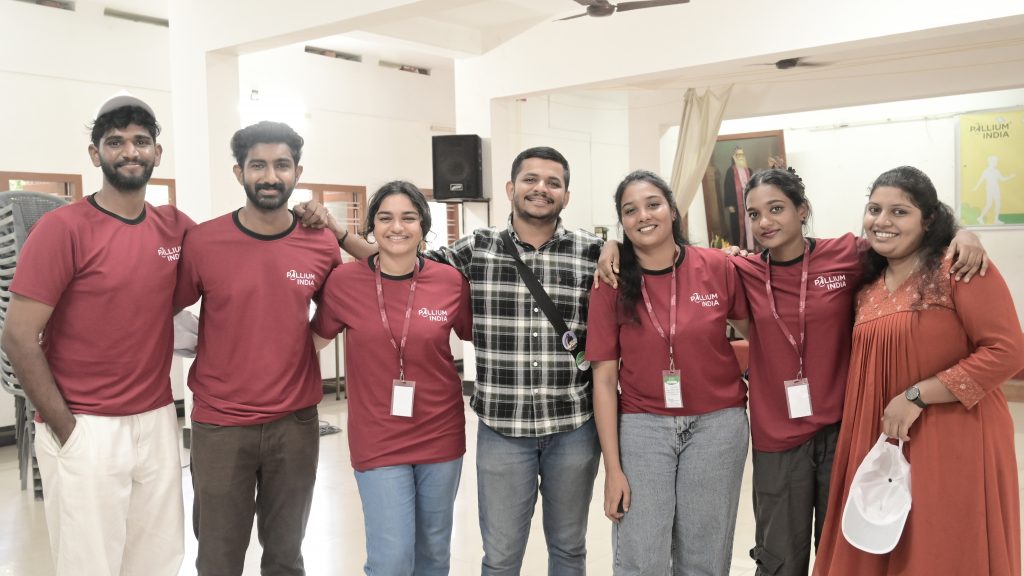
The Kuttikoottam Summer Camp 2026, held from April 23 to 25, brought together 29 children from Pallium India families for three meaningful days filled with learning, connection and joy.
For many of these young participants, this was their very first camp – a new and exciting experience that created lasting memories. From the very first day, the atmosphere was lively, with ice-breaking sessions, interactive talks, games, and mentor-mentee conversations helping the children feel at ease and connected.
Mom is Not at the Bedside
As a pediatrician working in a tertiary hospital in an urban South African setting, I have often heard my junior colleagues comment on the fact that a child’s mother is not present at their bedside. This statement, usually uttered by carefree doctors who have yet to have a family of their own, is laden with judgement, as though it is unfathomable that a mother would leave her sick child, even for a moment, other than for selfish reasons. What they may be shocked to discover, if they took the time to engage with parents beyond muttering a cursory, “how are you?”, is that these mothers are far from selfish.
For the past 130 years, since the early urbanisation of South Africa and enforcement of labour practices which forced many men to leave their rural homes to become cheap migrant labour in the city, women have borne the brunt of maintaining the family home and raising children. Increasingly, women also needed to move to urban areas in order to survive financially, often working as domestic workers and living in small ‘servants’ quarters’ on their employer’s properties. As a result, many children were raised by their grandmothers in the rural areas, receiving some financial support from their migrant parents. During the Apartheid regime, this systematic abuse of cheap labour, restriction of movement between areas, and establishment of so-called “homelands” led to the further erosion of family structures.
Parallel Universes: Love, Labor, and a Fairer Way to Care
Thanks to no efforts on my part, I grew up in a home where feminism was not an argument. My mother, formidable in her own field, has spent her life pushing change, despite and against the patriarchy in India. My father’s work was rooted in children’s rights, especially girls’ rights, against labor and abuse. No one asked when I would get married. No one tested my worth by my cooking. (My skills remain rudimentary, are now propped up by the privilege of a spouse who cooks like a MasterChef contestant.)
I had buffers against structural violence: secure food, good schools, museums, books, many, many of them, and then some more books. Later, I gained the ability to move, between India and the United States. Now being a multi-local, I am grateful for the privilege to be allowed to call multiple places, and people ‘home’. In my hopes to bridge healthcare knowledge translation across contexts. I carry an acute awareness of my privilege, often to a fault.
And yet, across geographies and income gradients, one common thread has been impossible to witness in contrast to my own narrative thus far – the burden of care still settles quietly, onto girls’ and women’s hands.
Rajkumar’s Journey
Rajkumar Majhi, a 25-year-old daily wage labourer from Sundargarh, lived a simple life with his wife. He was the sole earning member of his family, and though life was not easy, they managed with hope.
Everything changed when Rajkumar began experiencing severe pain and swelling in his left shoulder. After medical evaluation, he was diagnosed with synovial sarcoma. He underwent chemotherapy and radiotherapy, and believing he was cured—combined with financial difficulties—he stopped follow-up treatment.
A year later, his condition worsened, and he was admitted to AHPGIC, Cuttack, under palliative care for pain relief and further management. Already burdened by poverty and lack of family support, Rajkumar struggled emotionally. He felt anxious, hopeless, and often questioned, “Why is this happening to me?”
Doctors later advised amputation of his left shoulder to control the disease. This news deeply shocked him. He was terrified of losing a part of his body and becoming dependent. His wife, his only support, also refused the surgery, fearing social stigma and an uncertain future.
With continuous counselling and support from the palliative care team, Rajkumar slowly gathered strength. He learned about rehabilitation and the possibility of using an artificial limb. Gradually, he accepted the treatment and underwent amputation.
Trivandrum Institute of Palliative Sciences (TIPS), Pallium India
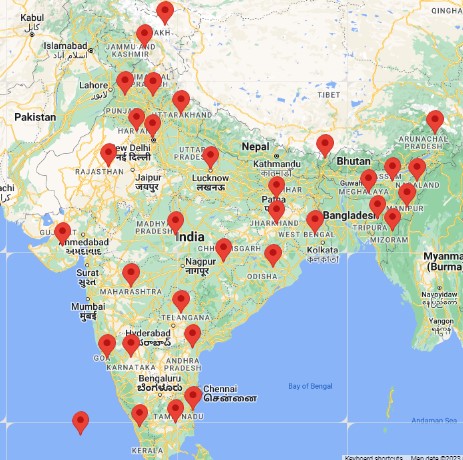
| Beneficiaries reached till March 2026: | 30,682 | |
| Palliative Care centres / services catalysed: | 256 | |
| Stakeholders trained (virtual and onsite): | 12,375 |
Annadanam: Meals Full of Love

Celebrate your birthday, anniversary, or honour the memory of a loved one by sharing a warm meal with patients and caregivers at Pallium India’s In-Patient Unit. Your gesture will nourish 20 patients and 20 caregivers (40 beneficiaries) with love and care. Each meal you sponsor is a gift of care, love, and nourishment for patients and their families.
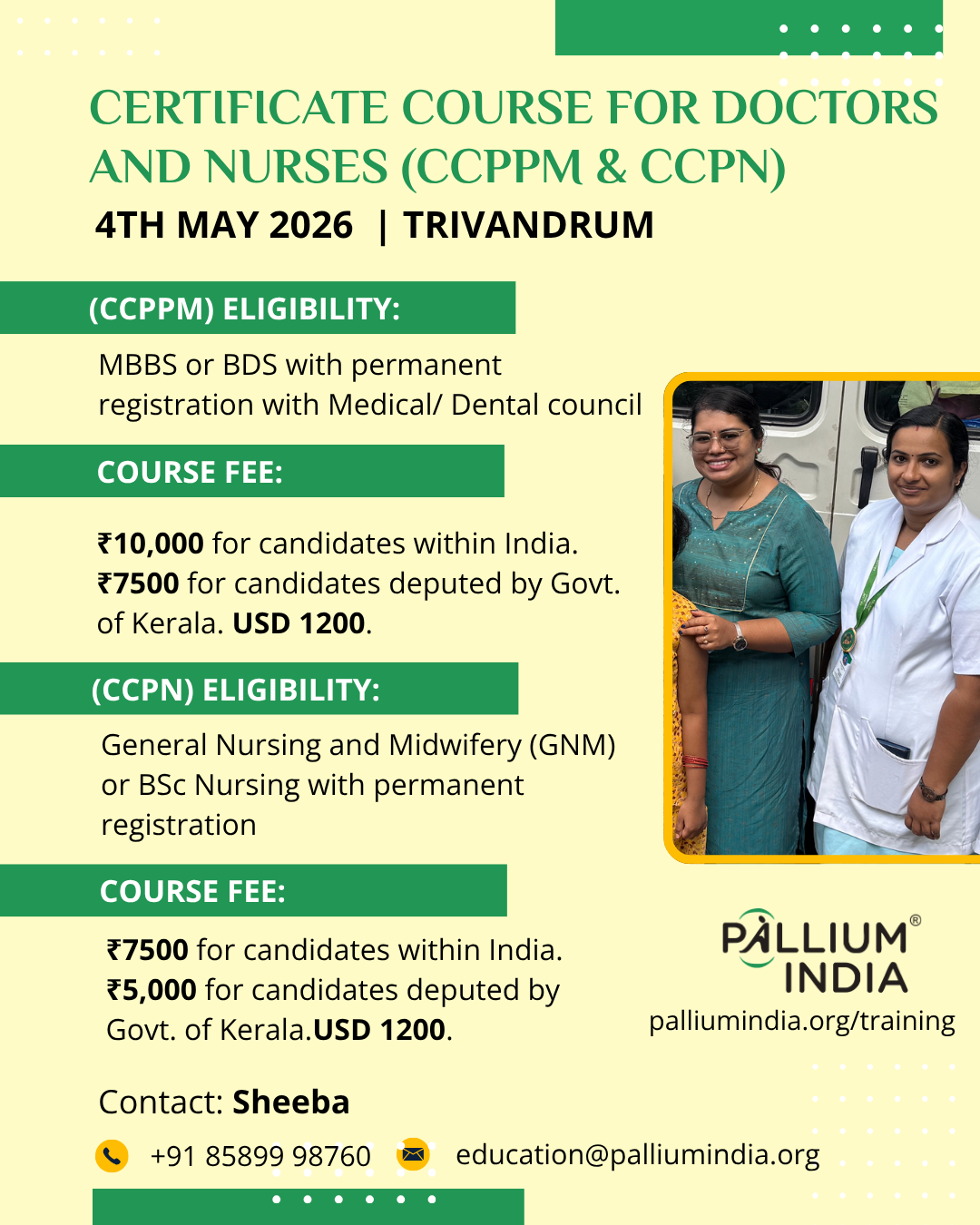
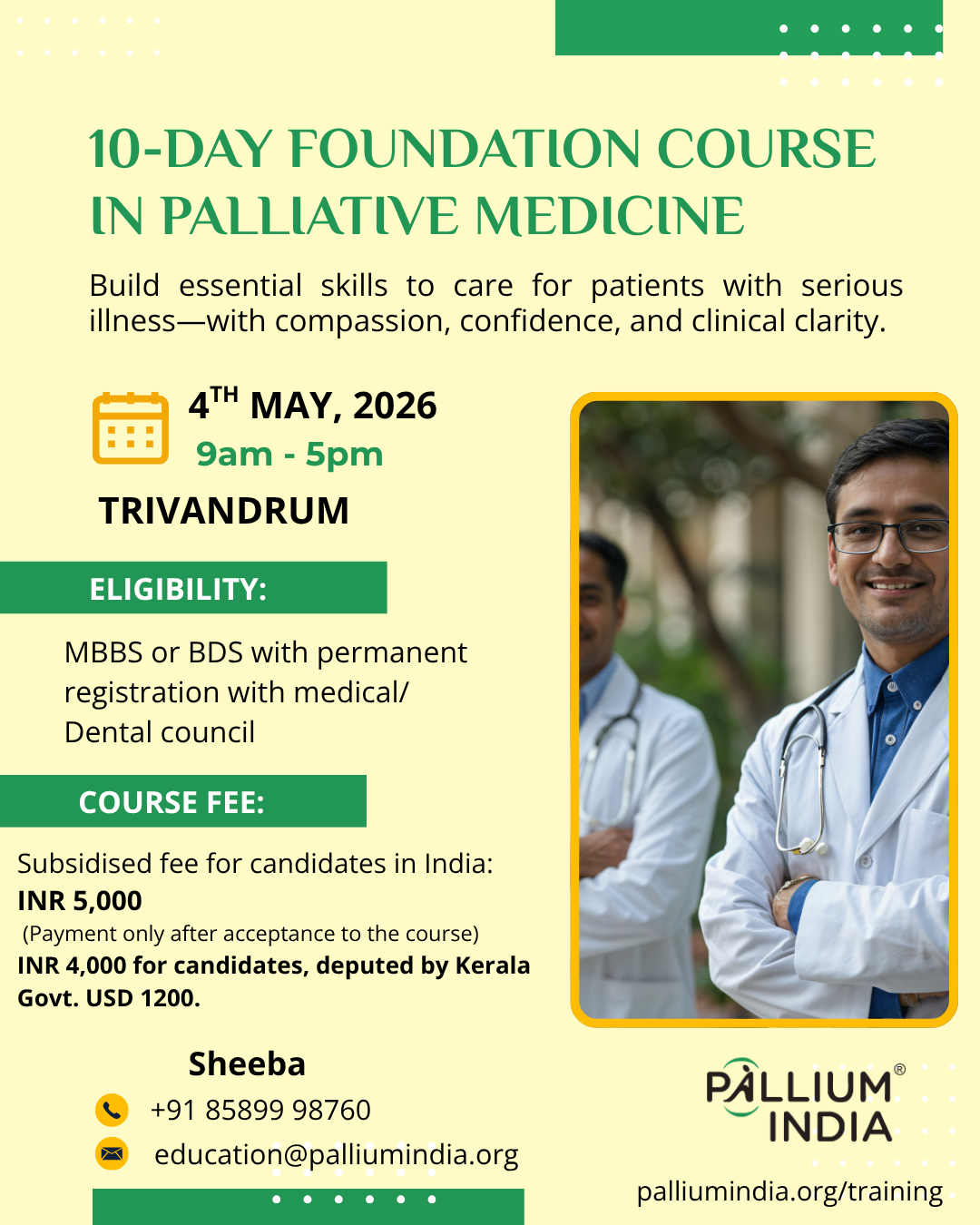
Upcoming Events, Trainings & Conferences
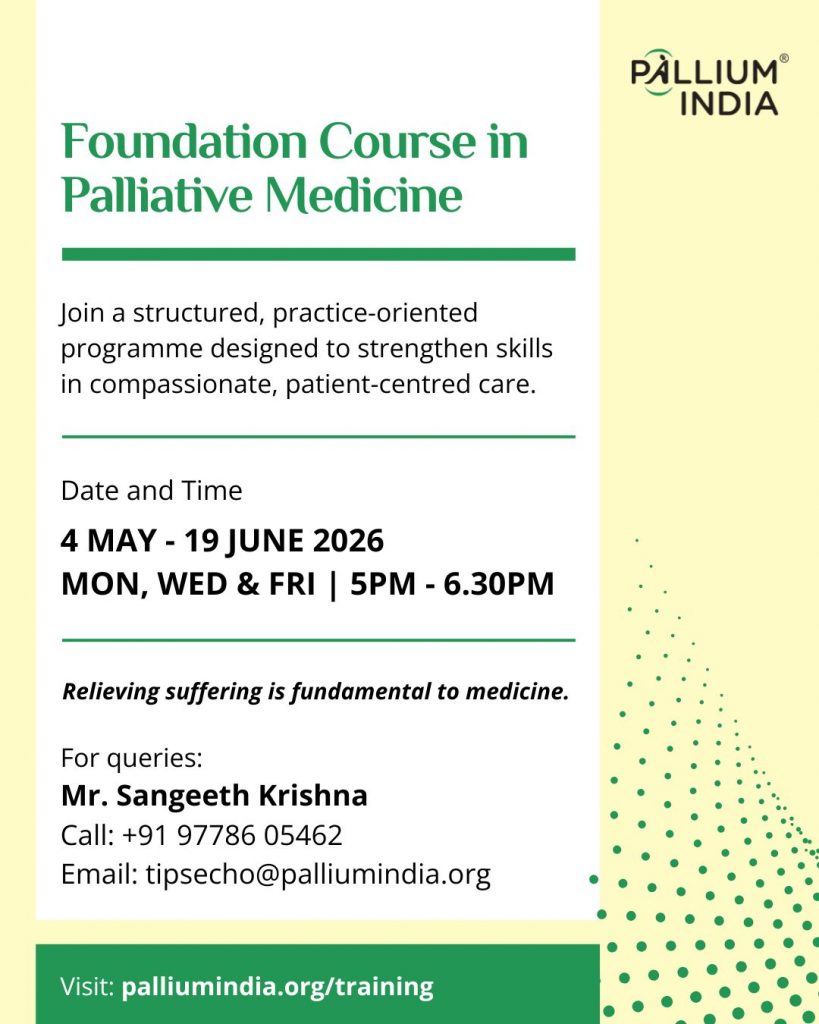

Openings
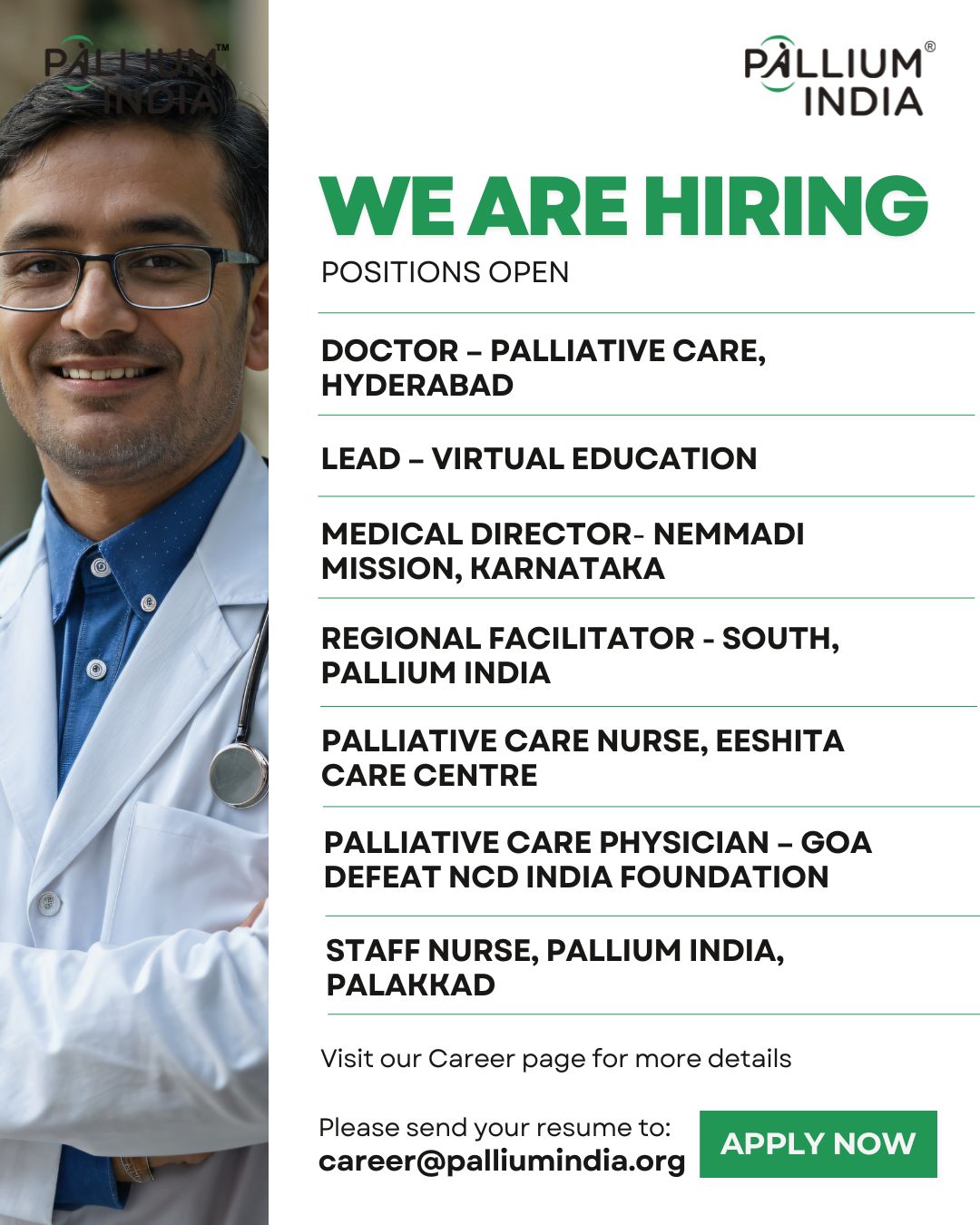
For more openings, visit our CAREERS page:
https://palliumindia.org/category/career
In case of queries, please write to us: [email protected]
Stay tuned for palliative care news, views and updates
Reports / News / Articles
National Conference on Chronic Pain & Palliative Care
Jalandhar, 5-6 September 2026
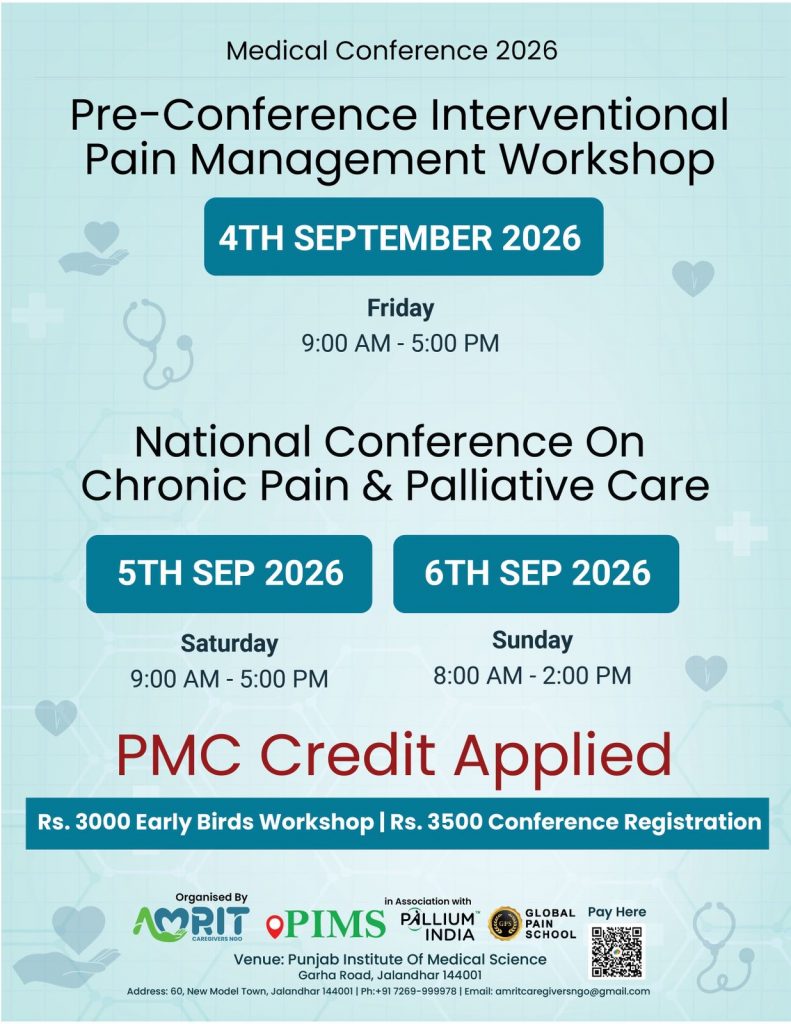
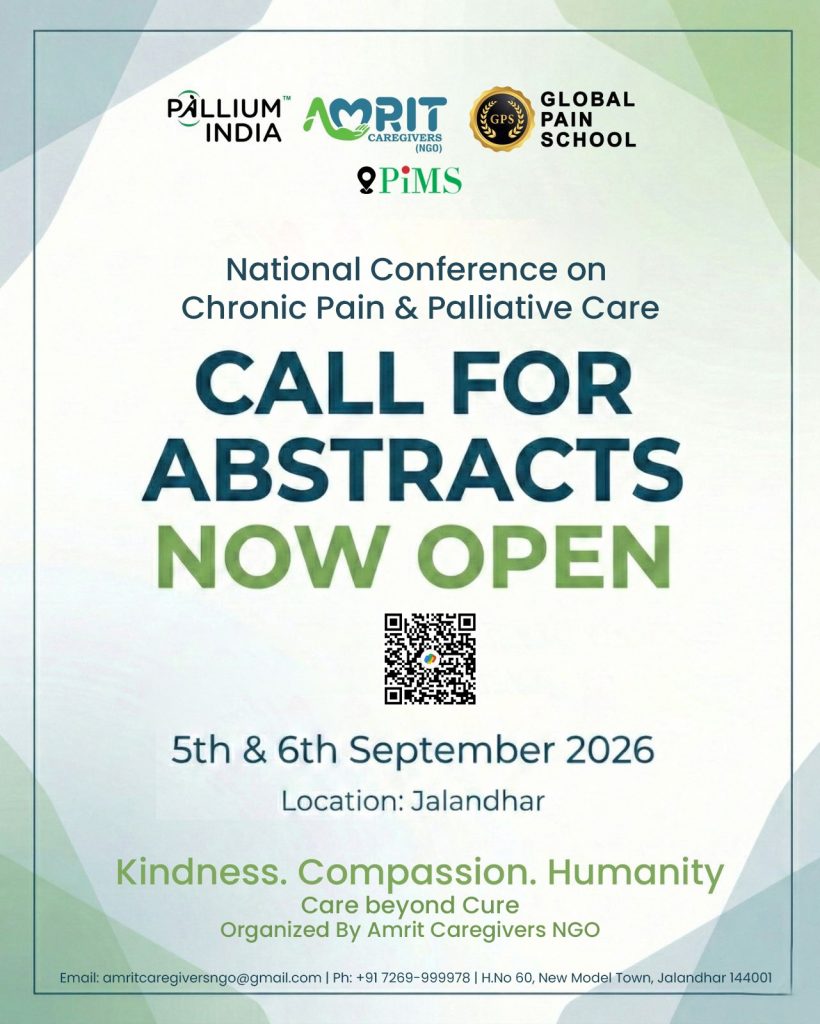
Amrit Caregivers NGO in association with Pallium India, Punjab Institute of Medical Science and Global Pain School is organising a ‘National Conference on Chronic Pain & Palliative Care’ on 5 and 6 September 2026 at PIMS, Garha Road, Jalandhar.
As part of the Conference, Global Pain School is also conducting a pre-conference Interventional Pain Management Workshop on 4 September 2026.
For registrations, call: +91 7269 999978 or email: [email protected]
Call for Abstracts – National Conference 2026
We are delighted to invite researchers, doctors, academicians, and students to submit their abstracts for the upcoming National Conference on Chronic Pain & Palliative Care 2026.
This is your opportunity to showcase your research, share innovative ideas, and contribute to advancing knowledge in pain management and palliative care.
Abstract Submission Deadline: 30th June 2026
Themes include:
* Chronic Pain Management * Palliative Care Innovations * ICU Humanisation * Interventional Pain Techniques * Community & Home-based Care * Palliative Care at home * Cancer Pain Management * End-of-Life Care & Ethics * Pediatric Palliative Care * Geriatric Care & Pain Management * Mental Health & Chronic Illness * Rehabilitation & Physiotherapy in Pain * Nursing Role in Pain & Palliative Care * Spiritual Care in Healing * Pain Assessment & Outcome Measures * Opioid Use & Safety in Pain Management * Integrative & Alternative Therapies (Yoga, Meditation, etc.) * Telemedicine & Digital Health in Palliative Care * Caregiver Support & Burnout * Public Health Approaches in Palliative Care * Case Studies & Clinical Experiences * Policy, Education & Awareness in Pain Medicine * Role of NGOs in Palliative Care * Emergency & Acute Pain Management * Quality of Life & Patient-Centered Care
Submit your abstracts at: [email protected]
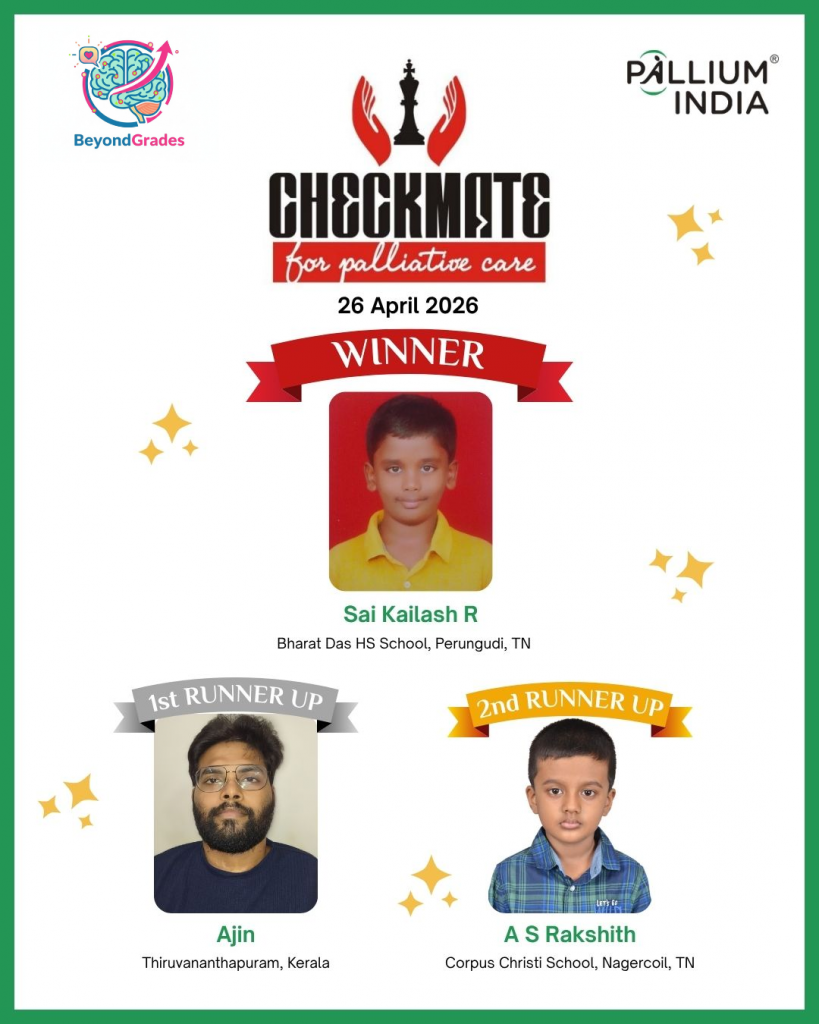
Checkmate for Palliative Care – April 2026
Karina’s palliative care awareness initiative –
Checkmate for Palliative Care for Pallium India will now be organised every month on the last Sunday, taking this initiative on a monthly level.
On April 26th, Sunday, the first edition was held under the monthly calendar. 20+ participants joined the game from small kids to elderly as old as 80+ years.
This time we had new winners! Sai Kailash from Perungudi, a 7th standard student from Perungudi, Tamil Nadu, topped the tournament. Ajin, care recipient from Pallium India stood 2nd with 88% win . A S Rakhshith a 4th grader from Corpus Christi School, Nagercoil finished as the 2nd Runner-Up. Congratulations to all the winners.
If you wish to be a part of the Monthly Chess Tournament, please reach out to: [email protected]
Assam Girl Overcomes Spinal Disease with Support from Tezpur Hospital’s Palliative Care Team
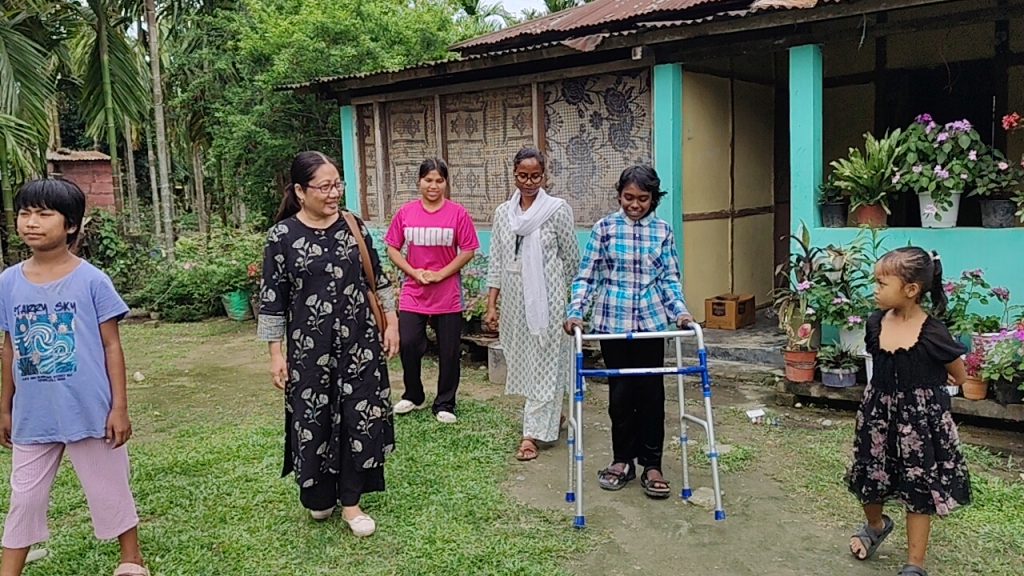
A young girl from Assam’s Sonitpur district has made a remarkable recovery from a debilitating spinal condition, drawing attention to the compassionate work carried out by the Palliative Care unit at Baptist Christian Hospital.
Anima Dhanowar, daughter of Meenakshi and Marcus Dhanowar, was first identified by healthcare workers during a home visit on May 3, 2025. At the time, the 11-year-old was unable to walk due to a severe spinal disease and was living under challenging circumstances, with her parents unable to afford medical treatment. She spent most of her days confined to a chair while her parents were away at work, with her condition steadily worsening.
Video of the Month
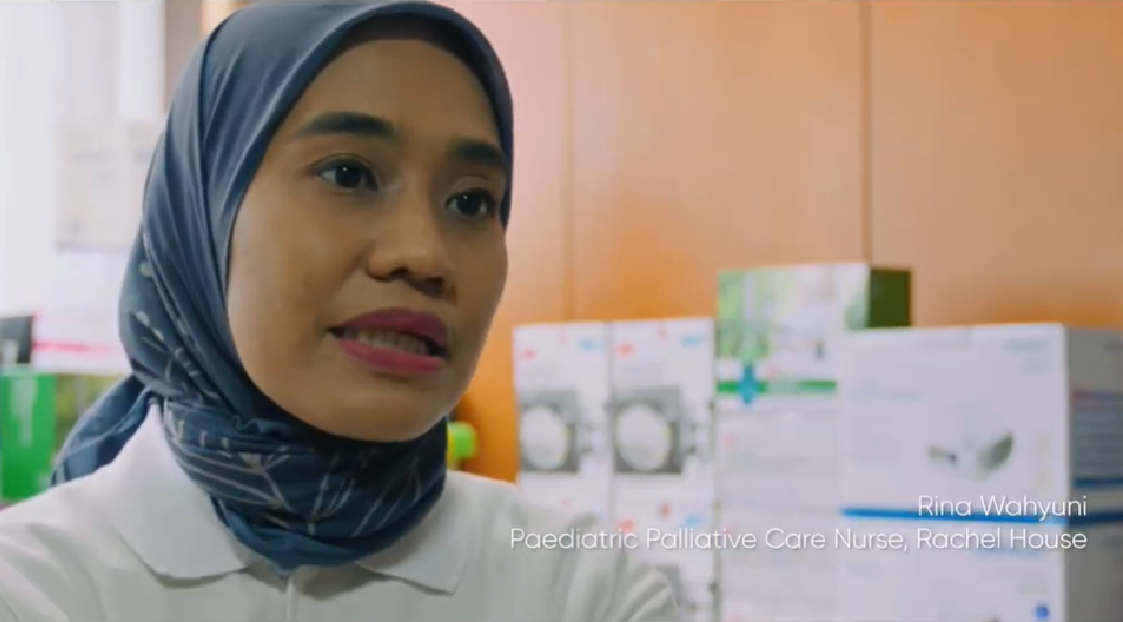
A Day in the Life of a Palliative Care Nurse
Follow the nurses from rural America and urban-poor setting of Jakarta, as they go about working in community palliative home care. A BBC StoryWorks Commercial Productions produced for the International Council of Nurses.
Subscribe to Pallium India’s YouTube channel for videos related to palliative care and our activities. You can watch previous webinars and training sessions, as well as listen to caregivers, survivors and others sharing their experiences.
Join us in making India pain-free! Subscribe to our newsletter for updates.
Book of the Month
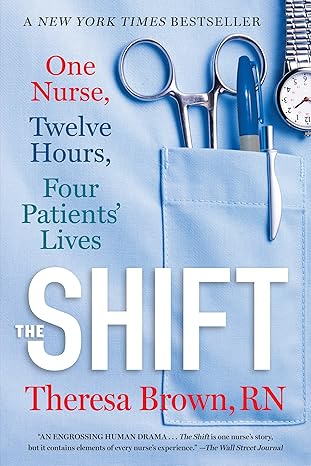
The Shift: One Nurse, Twelve Hours, Four Patients’ Lives
Practicing nurse and New York Times columnist Theresa Brown invites us to experience not just a day in the life of a nurse but all the life that happens in just one day in a hospital’s cancer ward. In the span of twelve hours, lives can be lost, life-altering medical treatment decisions made, and dreams fulfilled or irrevocably stolen. In Brown’s skilled hands–as both a dedicated nurse and an insightful chronicler of events–we are given an unprecedented view into the individual struggles as well as the larger truths about medicine in this country, and by shift’s end, we have witnessed something profound about hope and healing and humanity.
This particular day, Theresa Brown has four patients, as she prioritises and ministers to their needs with skill, sensitivity, and, yes, humor that enable a nurse to be a patient’s most ardent advocate in a medical system marked by heartbreaking dysfunction as well as miraculous success.
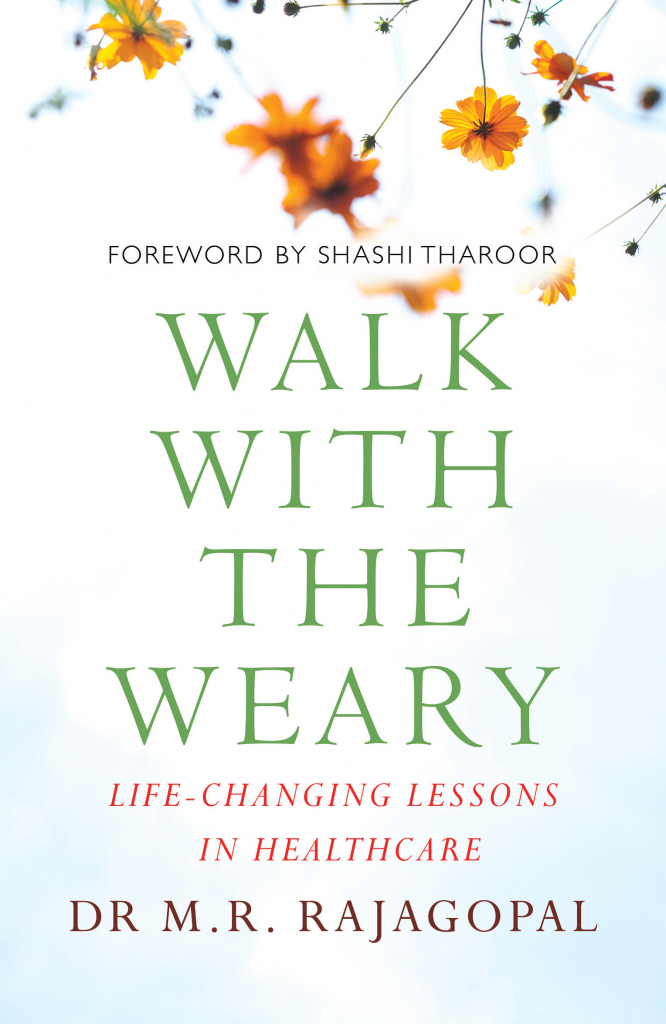
Walk with the Weary – by Dr M R Rajagopal
A masterclass in how to care for others deeply and compassionately no matter who they are, Walk with the Weary is simultaneously the story of Dr Rajagopal’s life and his calling and the world of Indian palliative care.

Palliative Care Telehealth
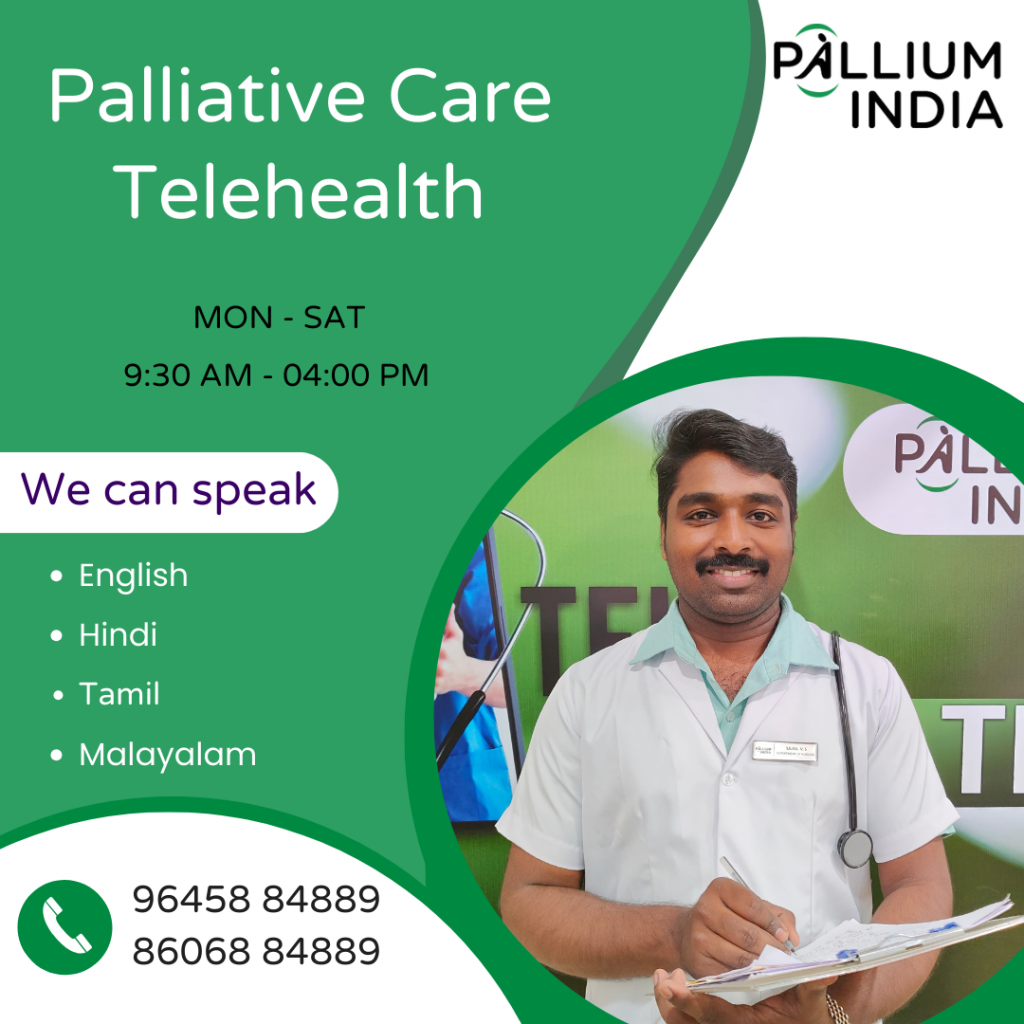
Call us: +91 964 588 4889 /
+91 860 688 4889

Parting Shot
Teaching Nursing in Dark Hours
The WhatsApp message came just after dawn: “Doctor, the road is blocked. Is it safe to come tomorrow?” This was the first thing I saw from my student that appeared like a siren, stirring tension into my heart. Many mornings, the first thing I did was check my phone, hastily looking for the news to see if anything had happened overnight that I was not aware of. There was a struggle in me between the responsibility of teaching and the fear of losing. Classes were scheduled, and the students’ clinical rotations and sites were meticulously set. However, Lebanon was no longer a predictable place, and crisis had become our new normal. Roads were blocked without warning, people were forcefully displaced, and often the sound of shelling could be heard in the distance. Electricity was a rare commodity, often unstable and prone to interruption, which frequently halted classes in progress. And yet, illness and patients waited for no one. The ongoing conflict directly shaped my lived experiences, affecting my daily routine as well as how I perceived and interpreted palliative care.
It had been some time since I had not been working at the bedside and had moved into nursing education, but the sense of responsibility and duty did not wane. I had to make sure these young hearts were well prepared to become competent nurses and equipped to care for people when they are ill. I believed nursing was a calling, and it is most needed when patients and families are vulnerable. Stopping our teaching would mean giving in to the situation. As an educational institution, we partially adapted and shifted theoretical teaching online.

Pallium India Newsletter: Global Communications Partner
For weekly news from around the world for everything to do with hospice and palliative care: Register Here
Follow us on Social Media for updates
Contact us: [email protected] / 97467 45497
Thank you for reading our newsletter. Read previous issues here
Don’t miss any updates! Subscribe to receive our monthly newsletter via email:
https://palliumindia.org/newsletter
Have feedback? Let us know. Write to us: [email protected]