
Planting Hope in Rocky Soil
A Reflection on Palliative Care Outreach in Rajaji Nagar
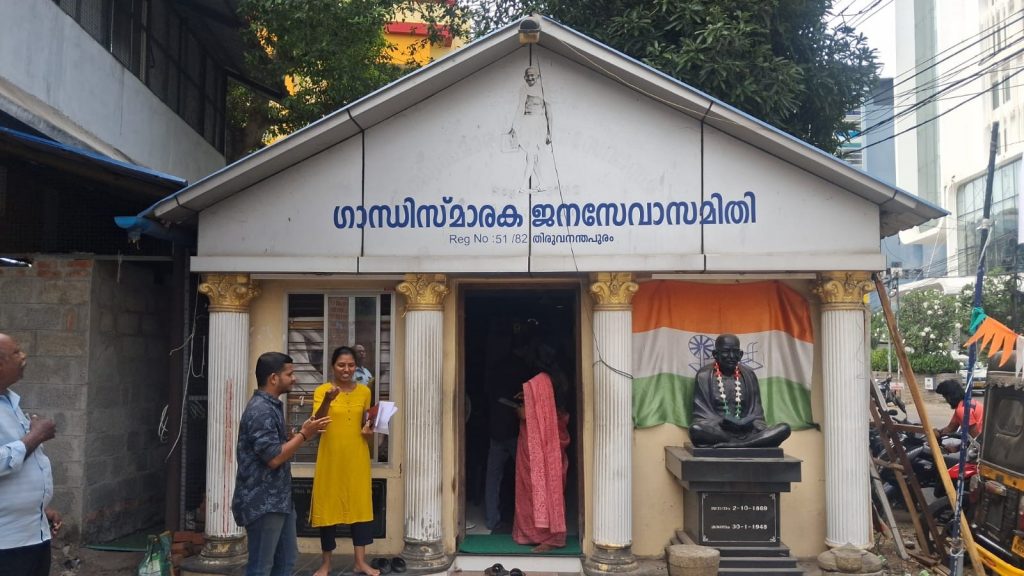
Walking into the Gandhismaraka Janasevasamithi at Chengalchoola, officially Rajaji Nagar, on that March morning, Friday the 13th, the air felt heavy with more than just the oppressive heat. As a student social worker, I have learned that every neighbourhood has a pulse, and Rajaji Nagar’s pulse is one of gritty resilience mixed with deep-seated struggle. This is an area shaped by intersecting structural challenges such as poverty, substance use concerns, and the visible strain of poor waste disposal mechanisms. While we arrived to discuss healthcare, the backdrop of the community was impossible to ignore.
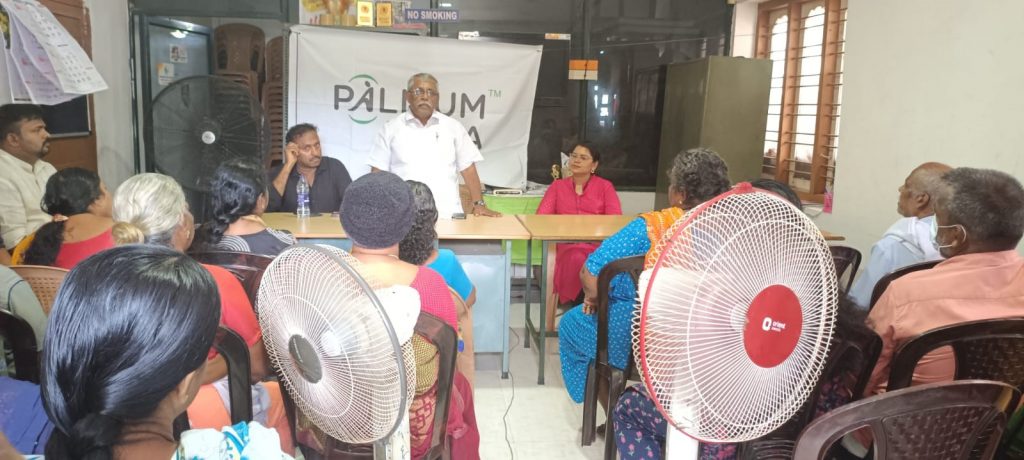
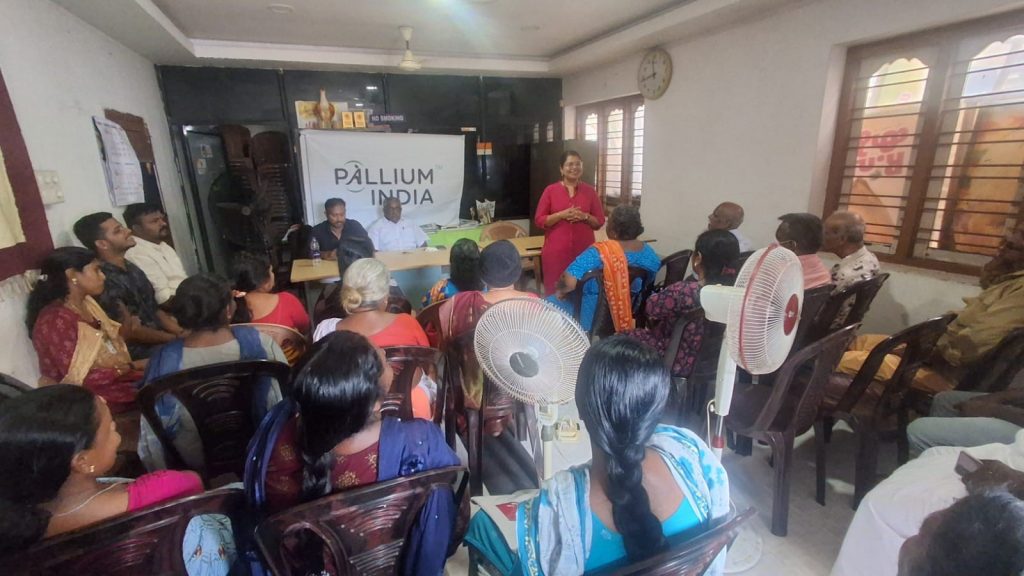
My first personal reflection of the day was a sobering realisation: how do we talk about palliative care, a concept focused on quality of life, to a mother or father who is struggling to secure their next meal? In this setting, healthcare is often viewed as a luxury rather than a right. Many families have limited access to health information and services due to competing survival priorities, not because they lack understanding, but because their daily survival takes precedence over preventive or supportive care.
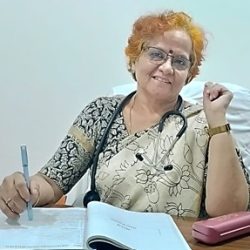
By 11:30 AM, the venue was packed beyond capacity. We had 38 participants squeezed into a room that was physically too small to hold them comfortably. As I stood against the wall in the congested space, I realised that this logistical “problem” was actually an indicator of the community’s desperate need for support. The program was inaugurated by the Thampanoor Ward Councillor, Mr. Hari Kumar. His presence was a vital bridge between institutional healthcare and the local citizenry. However, the true transformation began when Dr. Sangeetha, the Head of the Children’s Palliative Care Department from Pallium India, took the floor. She didn’t use medical jargon or complex slides; she spoke the language of the common man.
Most participants had never heard the term “palliative care” before that morning. Watching their faces change from confusion to relief as Dr. Sangeetha explained that care involves emotional and social support, not just medicine, was the highlight of my day. It shifted the room’s energy from one of “just another meeting” to “there is hope for my family.”
As the session transitioned into an interactive dialogue, the statistics from our preliminary registration showed that we had 18 cancer patients, either themselves or their caregivers participating. This revelation was a blow to my professional ego. Just because a community doesn’t complain doesn’t mean they aren’t suffering. These 18 individuals were navigating illness within already complex life circumstances shaped by broader social and economic factors. As a training social worker, I understand that we are the bridge. Our role is to find these hidden patients and connect them with the care systems available to them.
This experience changed my view of community health at a fundamental level. A successful program isn’t measured by the comfort of the chairs or the quality of the sound system. It is measured by the quality of the interaction, where residents finally feel safe enough to ask, “What do I do about the pain?”
The program concluded at 1PM, but the work in Rajaji Nagar is only beginning. This was more than a scheduled awareness class; it was the planting of a seed in fertile, albeit rocky, soil. Pallium India did not just bring information; we brought the message that no one has to suffer through a serious illness alone.
As I reflect on the day, I am reminded that while we cannot always cure every disease, we can always provide care. The most powerful medicine we offered that Friday for the people of Rajaji Nagar was that their experiences matter and that care was within reach.
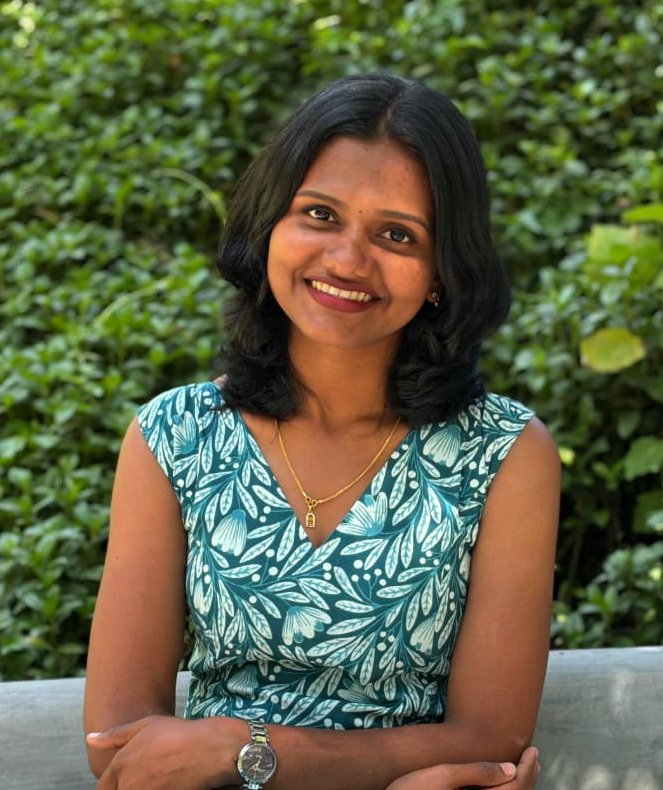
Devi Abhilash
Social Work Intern, Pallium India
Bachelor of Social Work, Marian College Kuttikkanam (Autonomous)