
Mizoram’s NPPC: Science and Compassion in Action
When we speak of One Health, One Humanity, we are reminded that health is not confined to hospitals or clinics – it extends into homes, communities, and the systems that connect them. Mizoram’s implementation of the National Programme for Palliative Care (NPPC) since 2016 exemplifies this integrated vision, where science and compassion converge to support people living with serious illness.
Building Systems of Care
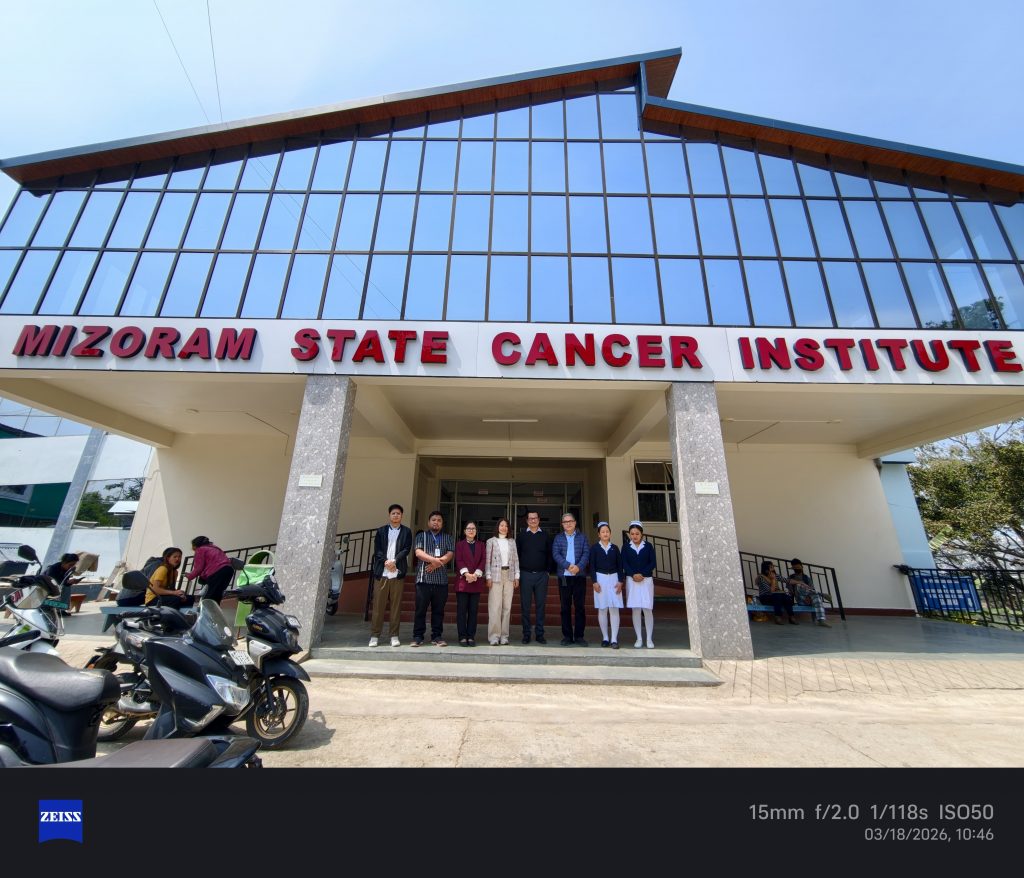
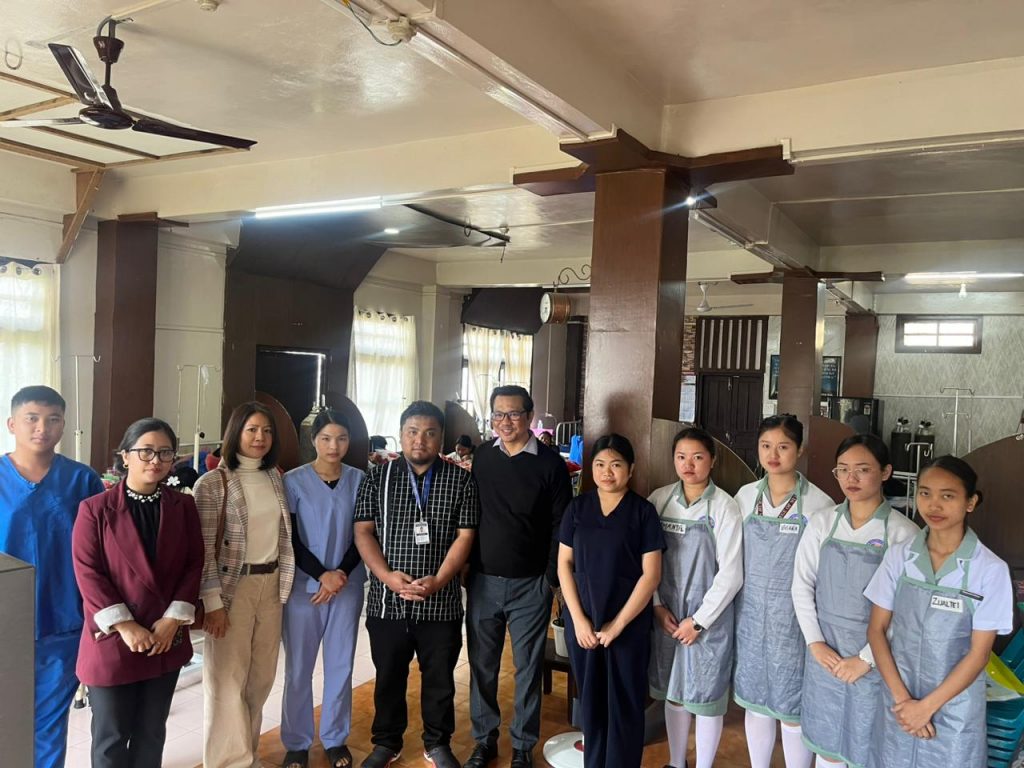
Today, NPPC services reach all nine districts of Mizoram, anchored by the State Palliative Care Cell at the Directorate of Hospital & Medical Education. With 12 dedicated personnel – medical officers, nurses, data entry operators, and multitask workers – the state has created a framework that blends institutional commitment with community outreach. Dedicated OPDs at the Mizoram State Cancer Institute (MSCI) and Lunglei District Hospital, inpatient services, and weekly home visits ensure that care is not only available but accessible. Home-based care kits and food supplements ensure that patients receive holistic support beyond clinical treatment.
Science Meets Compassion
The innovations at MSCI stand out as a model of how evidence-based medicine integrates with human connection. Daily OPDs, hospice care, advanced procedures like endoscopy and ultrasound, and bereavement support reflect a holistic approach. Home-based care kits and food supplements distributed across districts further demonstrate that palliative care is not just about symptom management – it is about dignity, nutrition, and emotional support.
Training and Empowerment
Capacity-building has been a cornerstone of Mizoram’s progress. Training sessions for nurses and medical officers, alongside caregiver training for nearly a thousand families, have strengthened the ecosystem of care. This investment ensures that both professionals and communities are equipped to provide sustained support.
Connected Care: Systems and Society
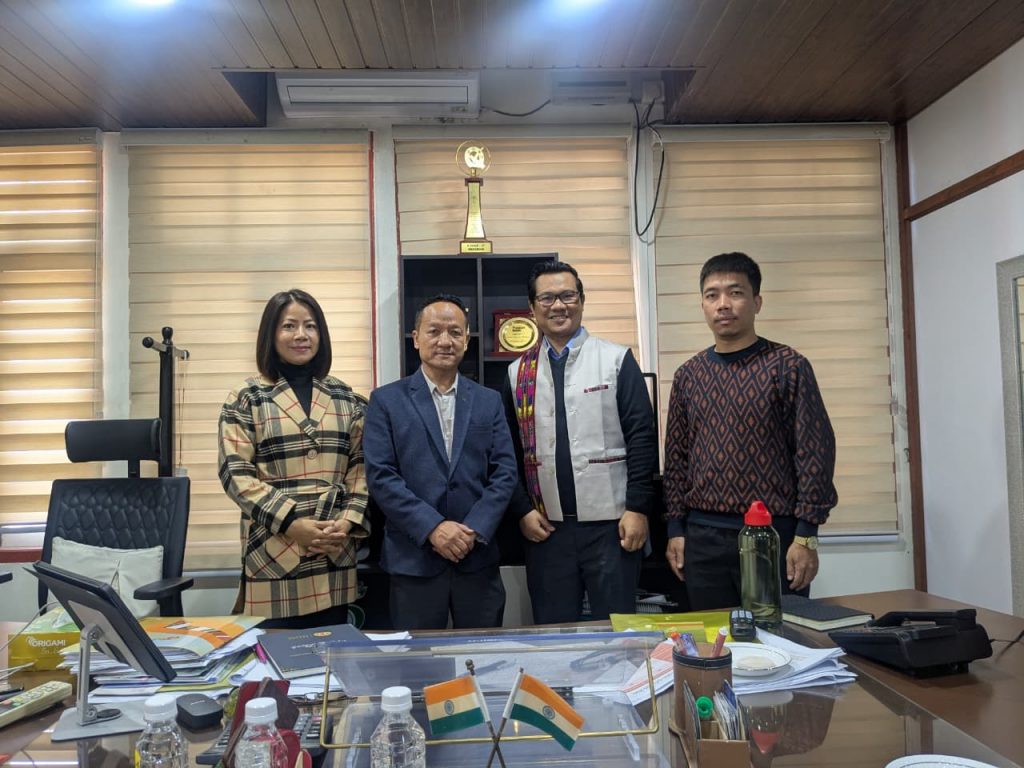
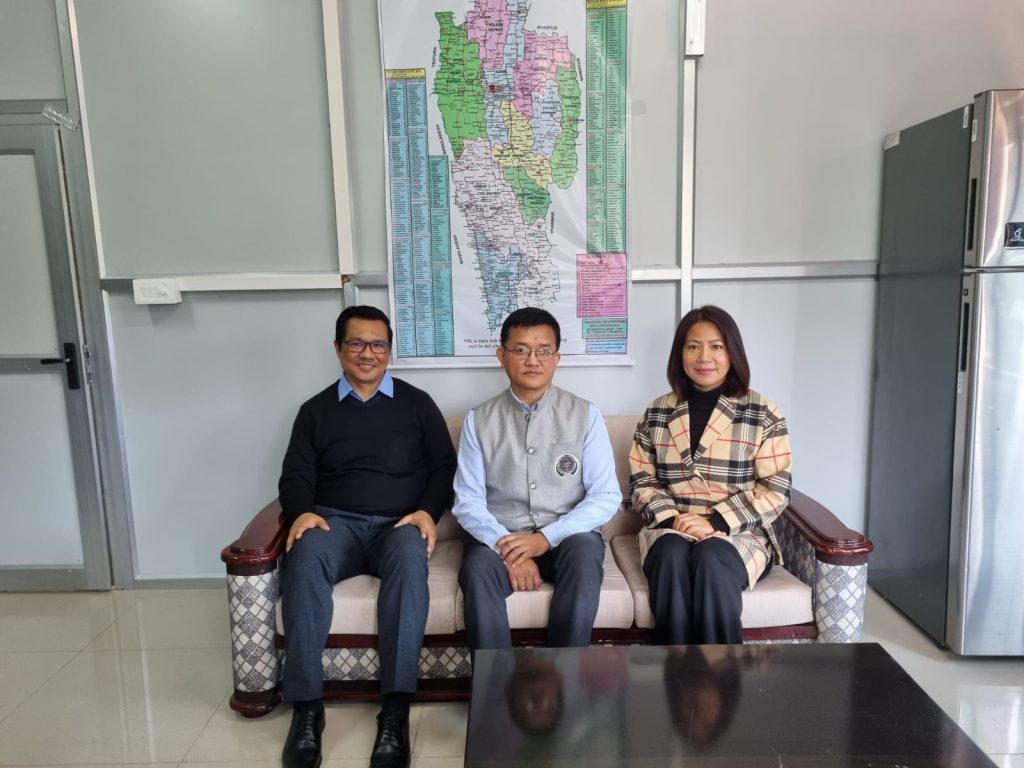
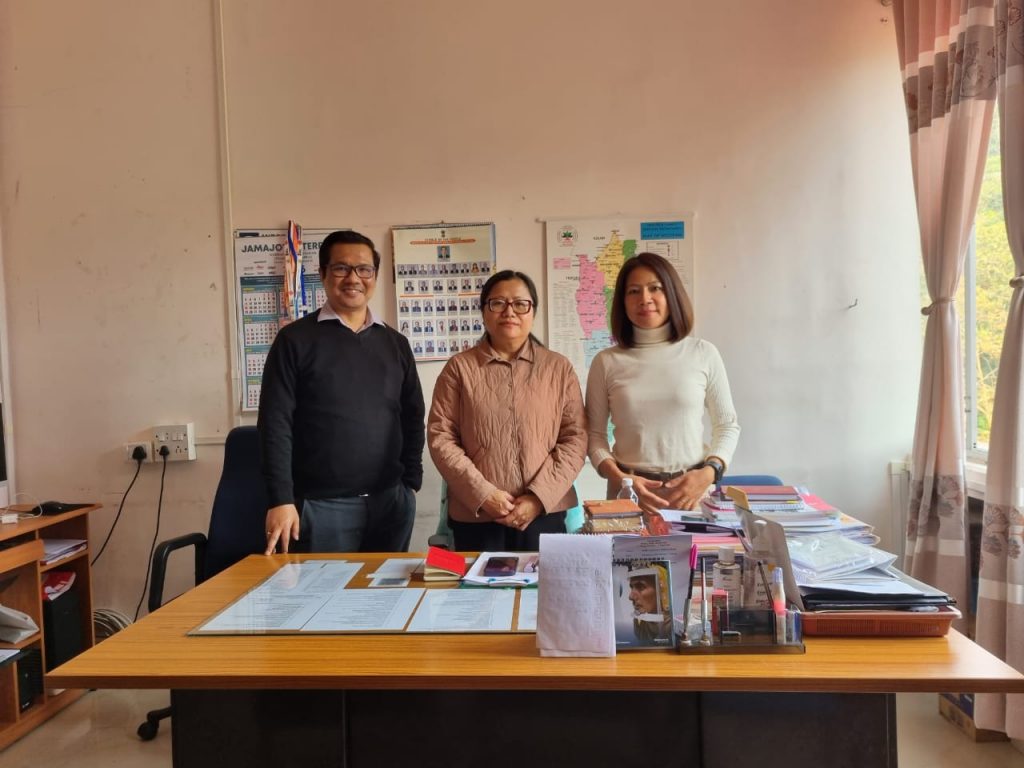
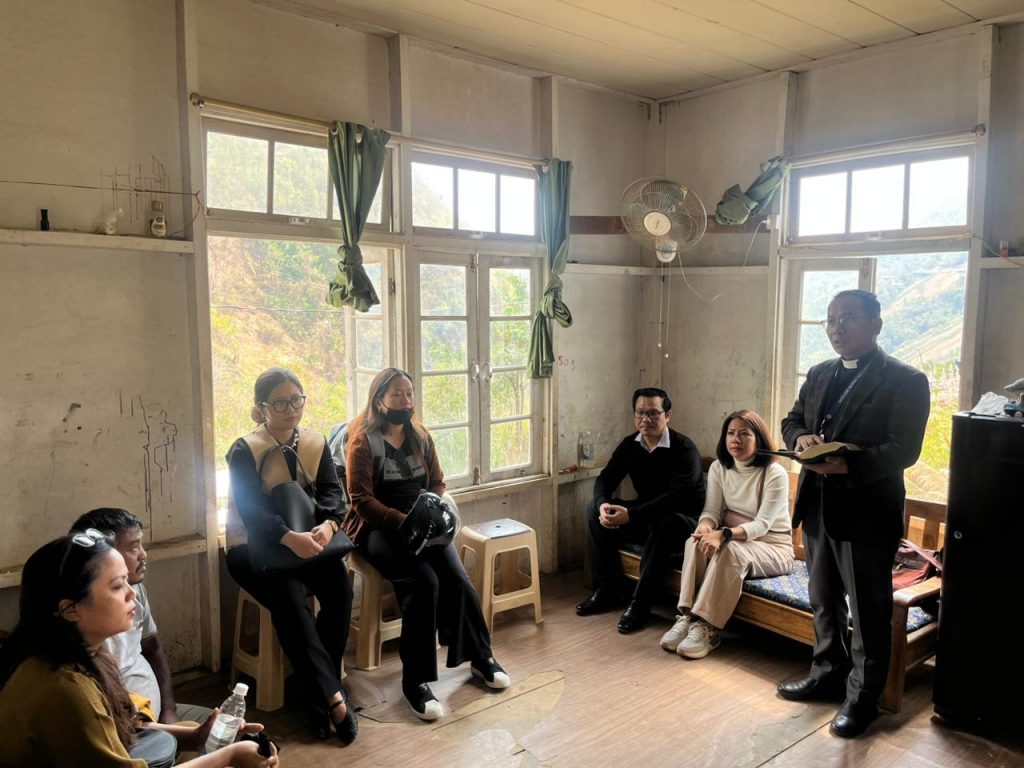
The Mizoram visit in March 2026 reinforced the strength of this ecosystem. Meetings with NHM leadership, the Drug Controller, and district nodal officers highlighted the importance of policy, regulation, and opioid availability. The renewal of RMI certificates and yearly procurement of morphine across districts reflect a commitment to science-driven, rights-based access. At the same time, home visits and hospice interactions revealed the human face of care – patients supported in their homes, families guided with compassion, and communities engaged in healing.
Towards a State Policy
Perhaps the most significant milestone ahead is the drafting of a State Policy on Palliative Care. This will institutionalise the progress made, ensuring sustainability and integration into Mizoram’s broader health system. It is a step that embodies the theme of The Future of Health is Collaborative – where government, professionals, NGOs, and communities share knowledge and responsibility.
Conclusion
Mizoram’s NPPC journey is a testament to how science, systems, and society can come together to serve humanity. It shows us that palliative care is not an isolated service but part of a larger health ecosystem – one that values evidence, embraces compassion, and thrives on collaboration. As we mark World Health Day under the banner of One Health – Together for Science, Mizoram offers a living example of how integrated, collaborative care can transform lives.
Rontu Sangma
Regional Facilitator, Pallium India – Arunachal Pradesh, Assam, Nagaland,
Meghalaya, Mizoram, Tripura, Manipur, Sikkim & West Bengal