
Mom is Not at the Bedside
As a pediatrician working in a tertiary hospital in an urban South African setting, I have often heard my junior colleagues comment on the fact that a child’s mother is not present at their bedside. This statement, usually uttered by carefree doctors who have yet to have a family of their own, is laden with judgement, as though it is unfathomable that a mother would leave her sick child, even for a moment, other than for selfish reasons. What they may be shocked to discover, if they took the time to engage with parents beyond muttering a cursory, “how are you?”, is that these mothers are far from selfish.
For the past 130 years, since the early urbanisation of South Africa and enforcement of labour practices which forced many men to leave their rural homes to become cheap migrant labour in the city, women have borne the brunt of maintaining the family home and raising children. Increasingly, women also needed to move to urban areas in order to survive financially, often working as domestic workers and living in small ‘servants’ quarters’ on their employer’s properties. As a result, many children were raised by their grandmothers in the rural areas, receiving some financial support from their migrant parents. During the Apartheid regime, this systematic abuse of cheap labour, restriction of movement between areas, and establishment of so-called “homelands” led to the further erosion of family structures.
The statement “umntu ngumntu ngabantu” (here expressed in isiXhosa, with linguistic variations throughout Southern Africa) means “a person is a person through other people” or “we are, therefore I am, and since I am, therefore we are”. This maxim of Ubuntu philosophy is the cornerstone of harmonious communal relationships, and emphasises that the wellbeing of an individual and their community is closely interlinked. The proverb “it takes a village to raise a child” rings true, as raising a child has traditionally been a collective responsibility, shared by the greater family unit and community, and done in a way which ensures that the child and mother thrive. Sadly, this village has been stripped bare.
When a mother brings her sick child to the hospital, she has often had to leave her other children in the care of somebody else in the community – a sister, neighbour or distant relative. If a long hospitalisation is expected, the children may be sent to a distant relative in another province. This mother is also unable to go to work, and she often has to pay hefty transport fees to travel to and from the hospital. As the centre I work at serves much of the Western Cape, many of these mothers are extremely far from home, with little to no support.
While I don’t discount the fact that many fathers and husbands are active participants in family life, unfortunately the prevailing notion in many modern African families is that the wife is solely in charge of raising the children, cooking, cleaning and maintaining the household. Even with a sick child in hospital, these duties remain their responsibility, and we often see mothers cracking under the weight of trying to keep every aspect of their family’s life running smoothly. When we expect a mother to focus only on the wellbeing of her hospitalised child, forcing her to be at their bedside often does more harm than good. In my experience, it is relatively easy to find ways to assist financially (through social grants), assist in keeping her job secure while her child is ill, and ensure that her other children are safe and cared for. While we may not be able to fully lighten the load on mothers’ shoulders, we certainly can start by not adding the additional burden of guilt or our short-sighted judgement.
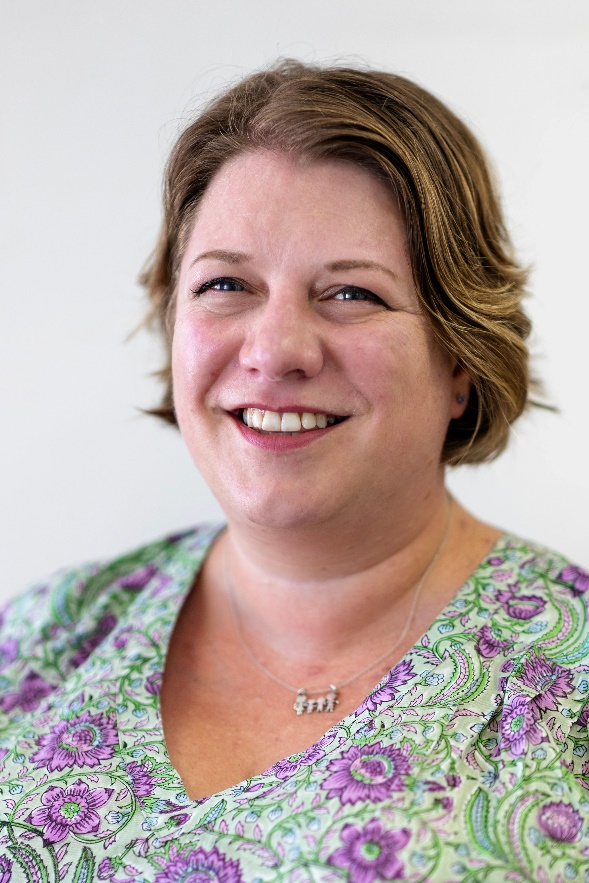
Dr Lyndal Gibbs
Pediatric Critical Care Fellow
MBBCh (Wits), DCH (SA), MMed (Paeds)(UCT), FCPaed (SA), Dip Pal Med (Paeds)(UCT)
Lyndal qualified as a pediatrician in 2017 and did her postgraduate diploma in pediatric palliative care through the University of Cape Town in 2018. She has worked for Paedspal for the past 7 years, heading up the hospital-based and private practice services, as well as lecturing undergraduate and postgraduate students at UCT.
Lyndal is proud to be a nerd and is completing a Masters in Bioethics and Health Law through Wits University.
She is passionate about integrating palliative care into daily practice, and has recently started her Fellowship in pediatric critical care at Red Cross War Memorial Children’s Hospital.
She is a firm believer in the power of compassion, coffee and glitter.