IAPCON 2026 – A Delegate’s Reflection
IAPCON 2026 in Hyderabad was not just a conference for us — it was a collective representation of Pallium India’s philosophy, people and practice.
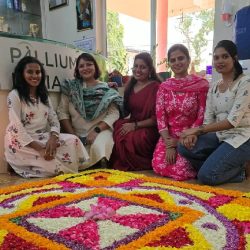
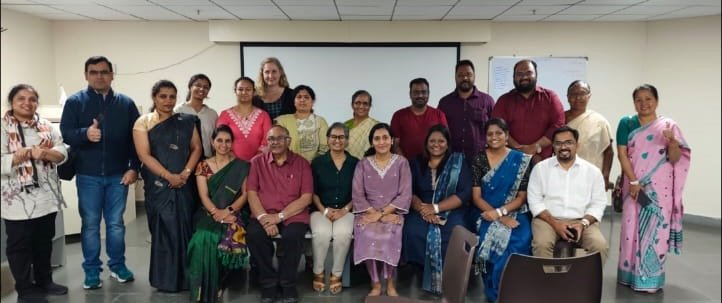
We attended as a multidisciplinary team, and what made this year particularly meaningful was not merely our presence, but our active contributions across tracks.
My Role
I had the privilege of serving as faculty in the pre-conference workshop, where we engaged in practical discussions on home-based palliative care — a space deeply aligned with Pallium India’s service model. The workshop was interactive, grounded in field realities, and energising.
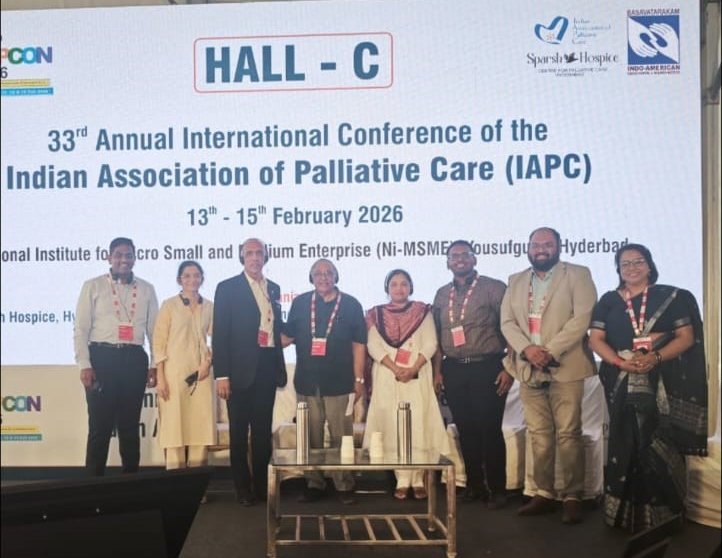
During the main conference, I was honoured to serve as a Chairperson in the Home Care Track. The discussions around integrating home-based services into community systems, strengthening transitions from hospital to home, and addressing operational challenges resonated strongly with our work. Chairing that session felt less like moderating a panel and more like witnessing a movement that is steadily gaining momentum.
Contributions from the Pallium India Team
What made me especially proud was seeing each team member contribute in their own domain:
- Smt. Smriti Rana played an active role in the conference proceedings, contributing to discussions in the community and volunteer engagement space — an area that reflects Pallium India’s longstanding commitment to compassionate communities.
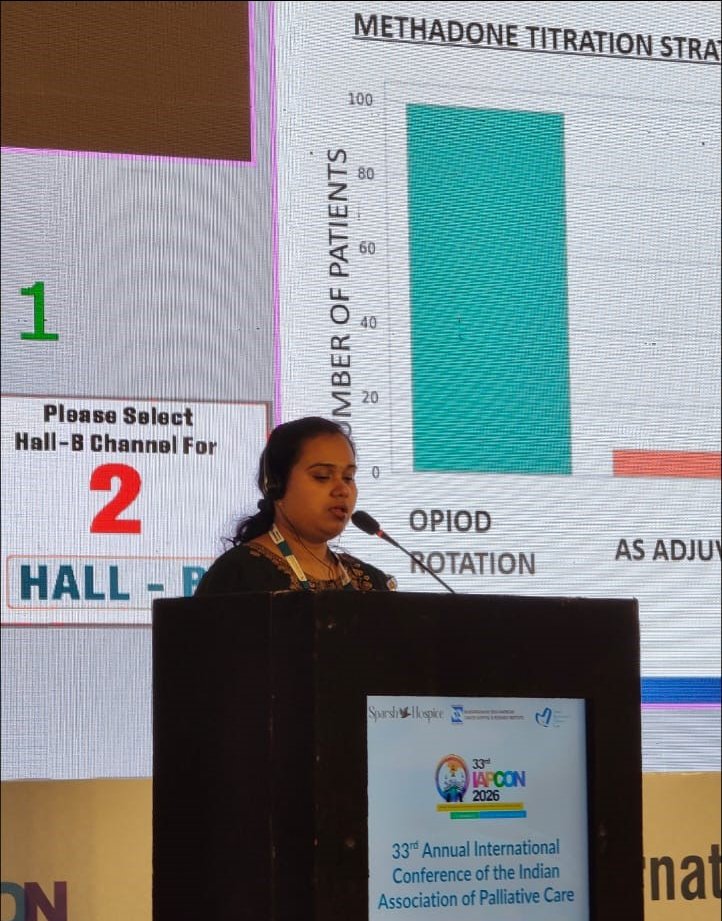
- Dr. Greeshma delivered an oral presentation, sharing clinical insights and adding to the scientific dialogue — representing the strength of our younger clinicians stepping confidently into national platforms.
- Smt. Sangeetha and Smt. Preethi presented poster presentations, showcasing work that reflects the depth and diversity of our interdisciplinary approach. Posters may occupy quieter corners of conferences, but they are often where innovation and ground-level realities speak most clearly.
- Smt. Nincy was actively involved in the academic sessions and contributed meaningfully to the ongoing discourse, particularly in spaces that blend humanities and care.
- Br. Sajan and Nr. Sheeba were also part of the scientific engagement, representing the nursing and supportive care strength of our team — a reminder that palliative care is never physician-centric, but team-driven.
- Alongside them, Mr. Binod Hariharan, Mr. Guruprasad, Smt. Mehak Chopra, Smt. Shanmughapriya, Dr. Adarsh, and Smt. Spandana participated across sessions, absorbing, networking and strengthening collaborations for future work.
What This Meant to Me
Watching our team spread across halls — some presenting, some moderating, some discussing passionately in corridors — I felt a quiet sense of reassurance. Pallium India’s model is not confined to Thiruvananthapuram. It travels through people.
The conference reinforced three reflections for me:
- Home-based care is no longer peripheral; it is central to serious illness care.
- Community participation is India’s greatest strength in palliative care.
- Our interdisciplinary culture is our biggest asset.
I returned from IAPCON 2026 not just with academic insights, but with renewed clarity. Integration of palliative care into every level of healthcare remains the ultimate goal — from tertiary hospitals to remote homes, from policy rooms to bedside conversations.
This conference reminded me that we are not working in isolation. We are part of a national — and growing — movement.
And that is both humbling and motivating.
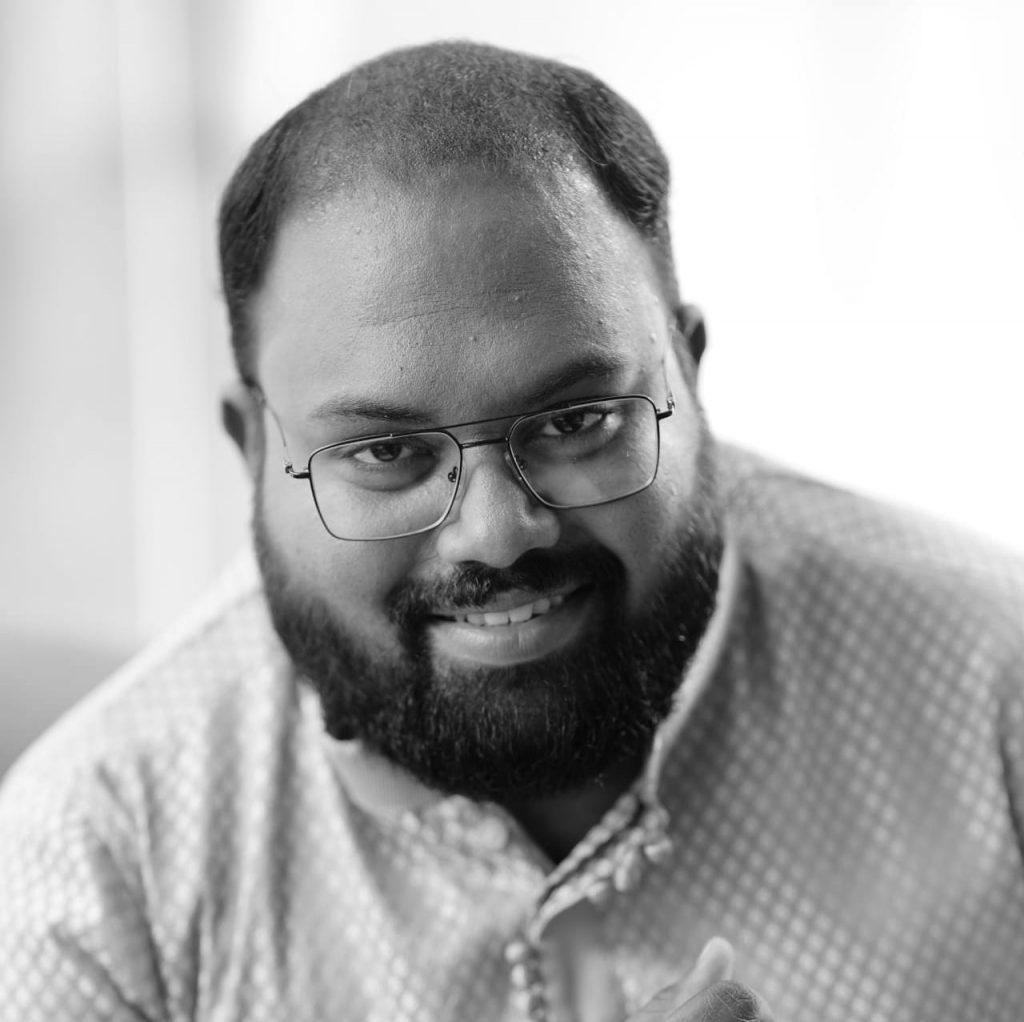
Dr. Arjun Devarajan
Head – Clinical Services, Pallium India