
Strengthening District-Level Capacity Building in Palliative Care
Srinagar, Jammu and Kashmir
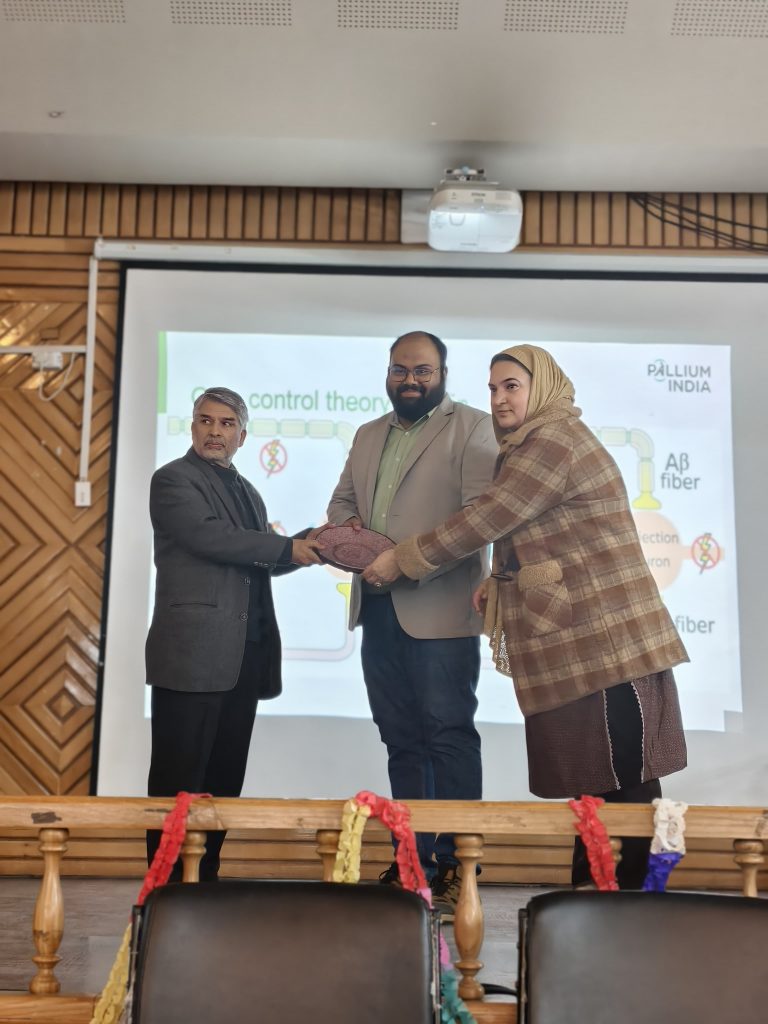
Pallium India played a pivotal academic and mentoring role in a three-day Workshop-cum-Training Programme under the National Programme for Palliative Care (NPPC) held in Srinagar. The programme was organised to build capacity among doctors and nurses nominated under the National Health Mission (NHM) from districts across the region, with the specific objective of enabling each district to initiate and strengthen palliative care services.
The training brought together identified district-level medical officers and nursing professionals who will function as nodal teams for palliative care service delivery, marking a significant step toward decentralised, sustainable, and equitable access to palliative care.
Faculty and Academic Leadership
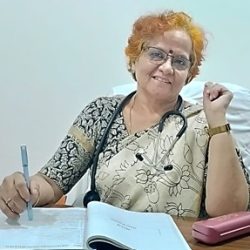
The academic sessions were led by a distinguished faculty from Pallium India:
- Dr Radha Venkiteshan
- Dr Arjun Devarajan
- Dr Tony Andrews
Drawing on the organisation’s extensive experience in clinical care, public health integration, and systems strengthening, the faculty delivered structured sessions on core principles of palliative care, holistic symptom management, communication skills, ethical decision-making, interdisciplinary teamwork, and models for integrating palliative care into existing government health services.
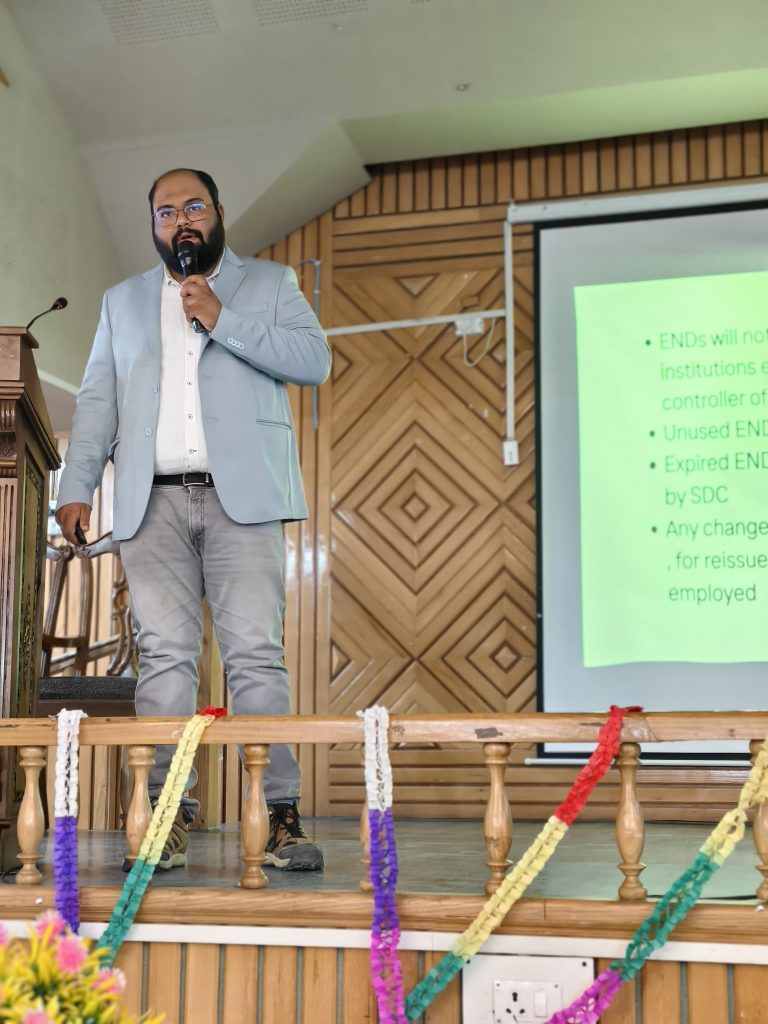
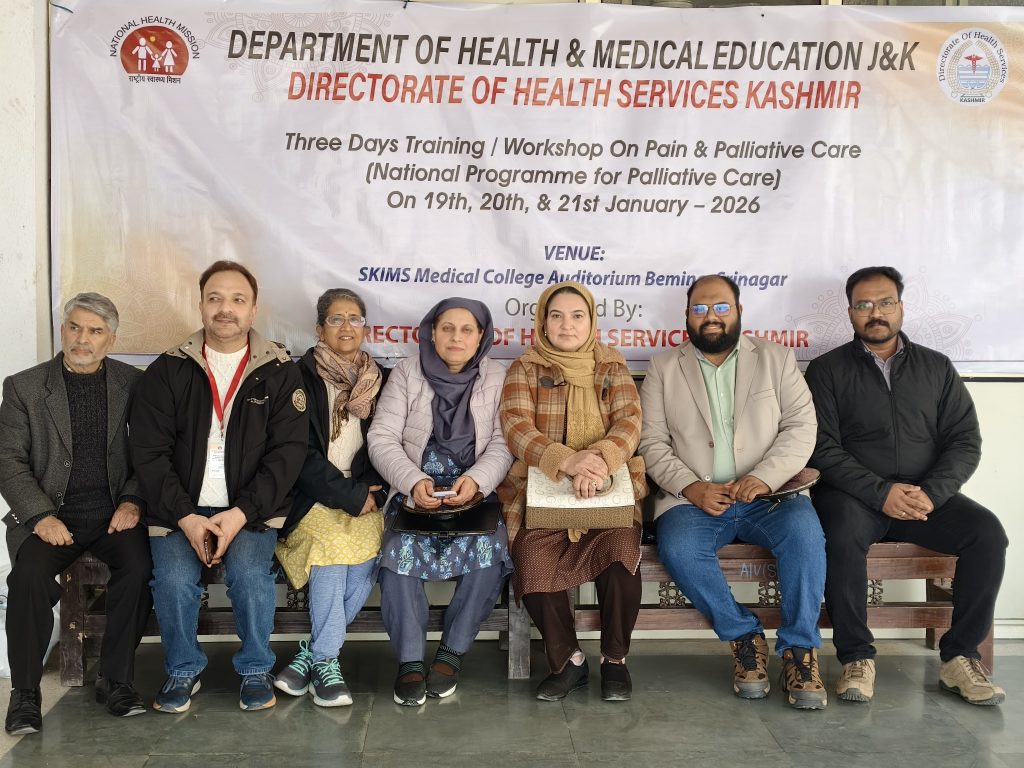
Strong emphasis was placed on practical implementation, with discussions grounded in real-world challenges faced at district and peripheral health facilities. The faculty highlighted scalable models of care, the importance of mentorship, and the need to embed palliative care within routine clinical workflows rather than viewing it as a standalone service.
Panel Discussion on Opioid Access and the NDPS Act
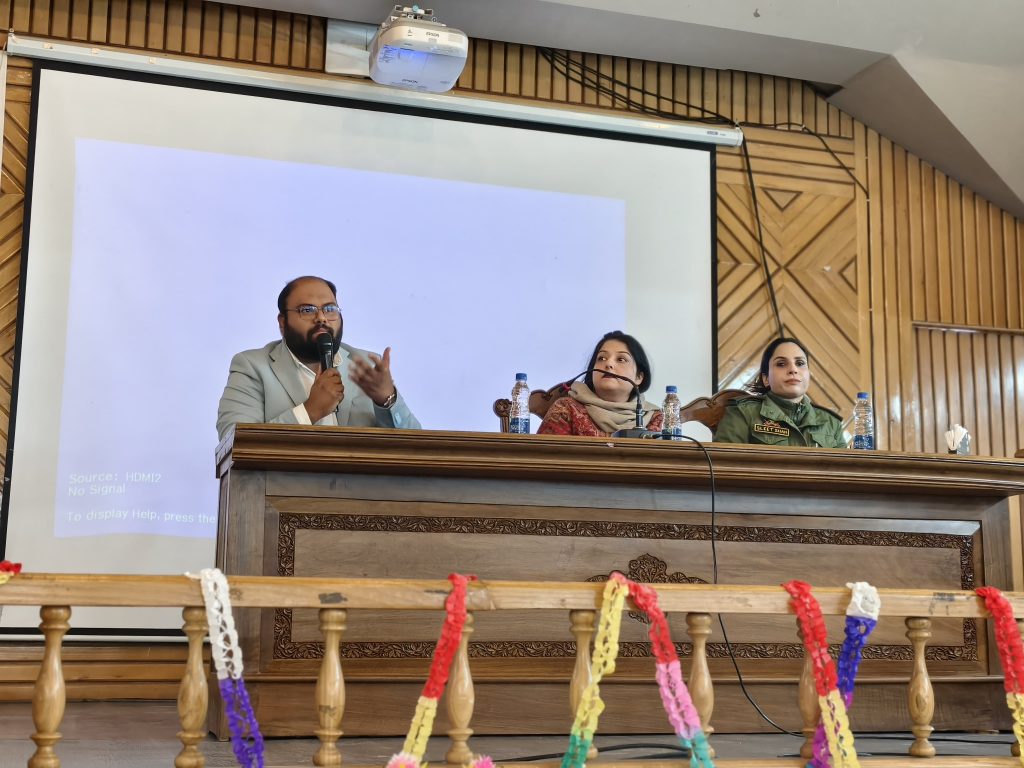
A major highlight of the programme was a panel discussion on opioid access, focusing on legal provisions, ground realities, and administrative challenges under the NDPS Act. The panel brought together diverse and complementary perspectives:
Dr Arjun Devarajan, Pallium India, discussed clinical and ethical imperatives for opioid access in palliative care, emphasising patient dignity, relief of suffering, and system-level responsibility.
Smt. Syed Sleet Shah, Deputy Superintendent of Police (DySP), Jammu & Kashmir Police, provided valuable insights from a law-enforcement perspective, clarifying that the NDPS Act is intended to prevent misuse while enabling legitimate medical use.
Smt. Reema Gazala, Assistant Drug Controller, addressed regulatory processes, compliance requirements, and the supportive role of drug control authorities in facilitating access to essential narcotic drugs.
The discussion was particularly impactful in addressing common misconceptions surrounding the NDPS Act, reinforcing that medical use of opioids is legally permitted, and underscoring the importance of collaboration between clinicians, administrators, and regulatory agencies.
Strengthening District-Level Services under NHM
The programme was specifically designed to empower NHM-identified district teams to take ownership of palliative care services. Interactive sessions, case discussions, and experience sharing enabled participants to explore pathways for service initiation, stakeholder engagement, and continuity of care—especially for patients requiring long-term and home-based support.
Participants reflected on how palliative care can be integrated into district hospitals, community health services, and referral systems, ensuring that care reaches patients closer to their homes.
Moving Forward
This initiative reflects our continued commitment to capacity building, mentorship, and health system strengthening in palliative care across the country. By investing in district-level doctors and nurses, the programme contributes to a broader vision of making compassionate, patient-centred palliative care accessible, equitable, and sustainable.
The programme concluded with a shared commitment from participants to translate learning into action and to work collaboratively toward establishing and strengthening palliative care services in their respective districts.