
“This Is My Day”
A Celebration of Life, Care and Togetherness
World Hospice and Palliative Care Day Celebrations 2026
“This is my day… The day I get to go out, enjoy myself and be happy.”
A statement made by a beneficiary that stayed with me throughout the day at the World Hospice and Palliative Care Day (WHPCD) celebrations organised by Pallium India on 10 October 2026.
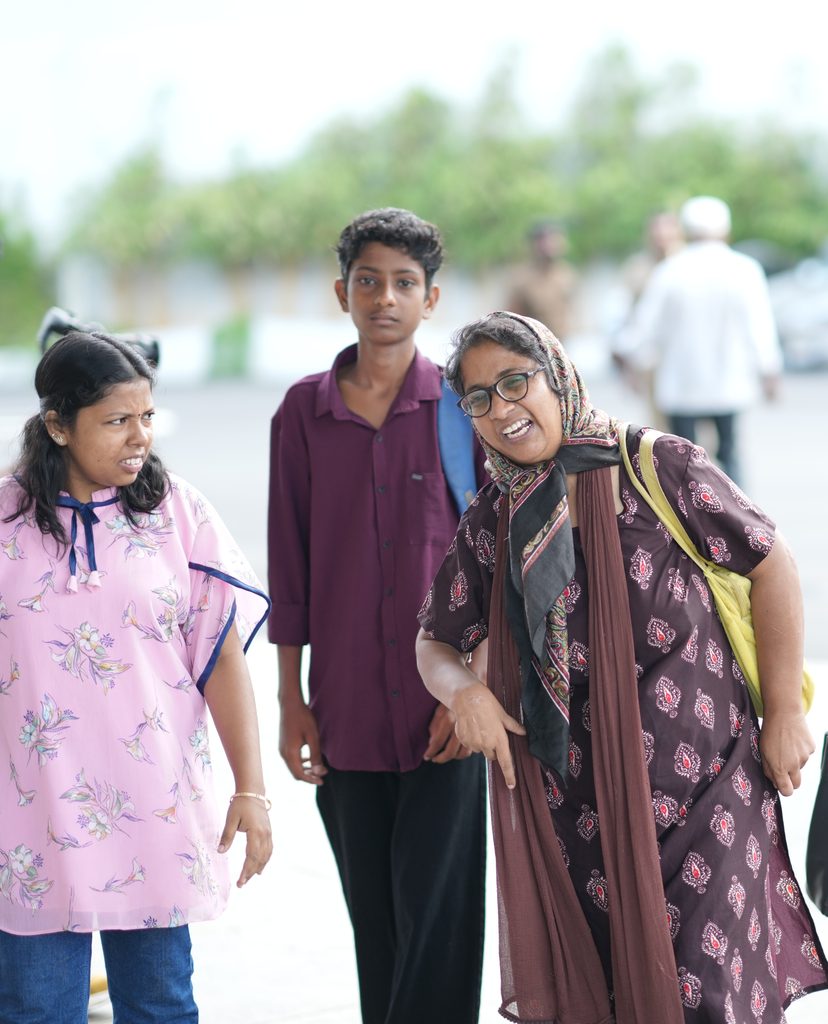
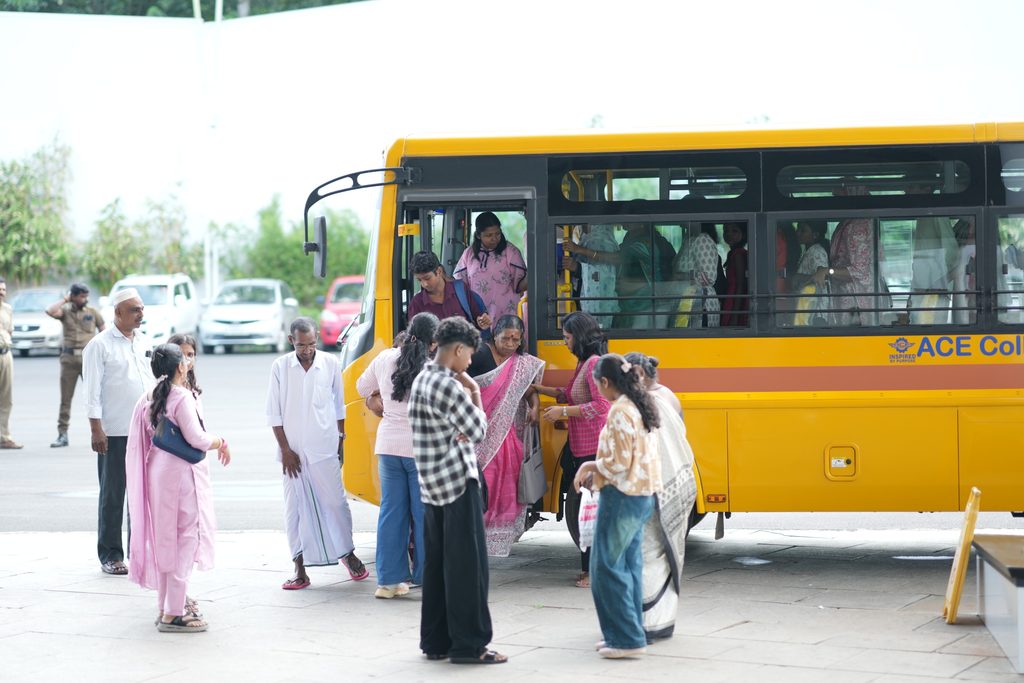
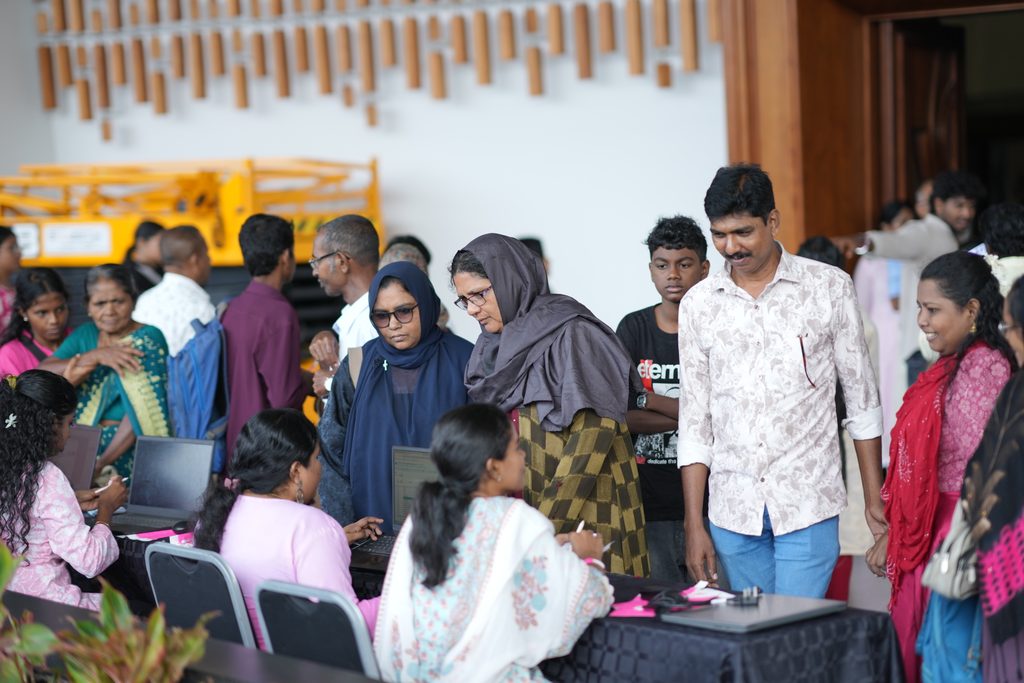
She had just stepped out of one of the several buses arranged to ferry 1,500 registered beneficiaries, family members, volunteers and staff. Her enthusiasm and energy were palpable as she came up to the registration counter with her young son. She said she had woken up at four in the morning and had even woken her son up to get ready for the day.
I had just taken out my laptop to work on some last-minute design changes at the counter when she asked me if she would have to leave at 2pm. She wanted to stay until the end of the programme and didn’t want to miss out on anything! The staff manning the counter quickly pointed out that the buses would return only at the end of the programme and that she needn’t worry.
She went on to say how much she had been looking forward to the day, as it would give her a chance to step out of her house. She had been paralysed and had received care and rehabilitation support from Pallium India.
“The team is responsible for getting me back on my feet, when the prognosis was that I would never be able to walk. I owe them my life!”
Her young son stood quietly next to her, ready to support her if she needed him.
A day in the making
This was my first WHPCD event at Pallium India. Last year, I had only heard the stories as I interviewed several staff members who had been part of the event in various capacities for an article in the newsletter. This year, I was on the ground, and the scale was massive.
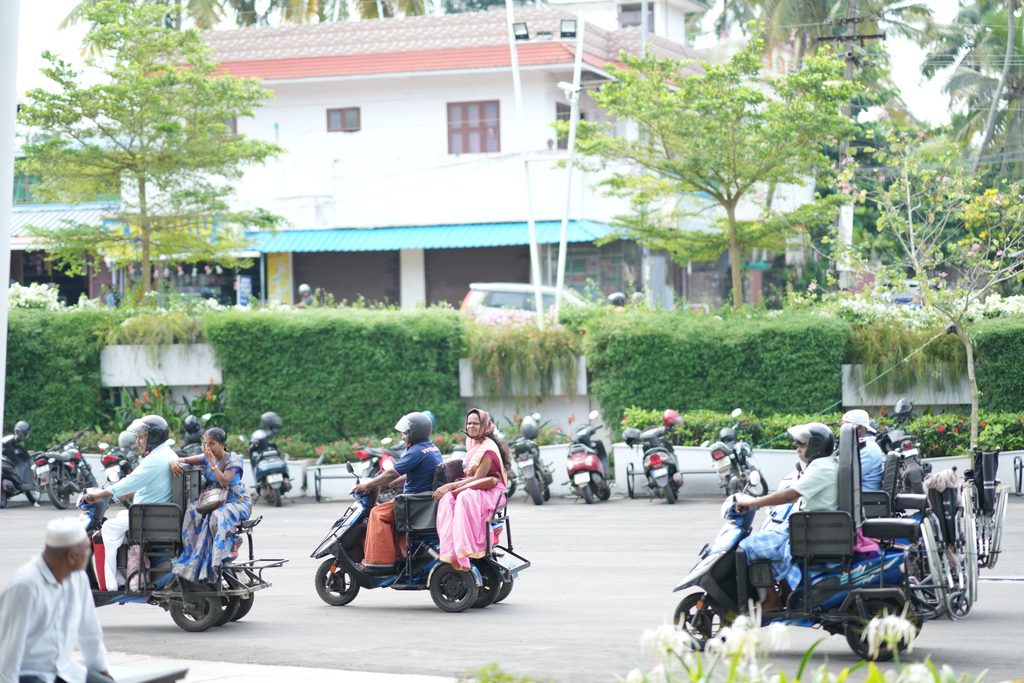
The venue was the Golden Palace International Convention Centre, Neyyattinkara. It was almost an hour away from the city, which in itself was going to be a challenge for several patients and their families. Numerous online and later offline meetings had gone into planning the event. It was a tall order, considering this was the staff of an NGO working in palliative care, not event management.
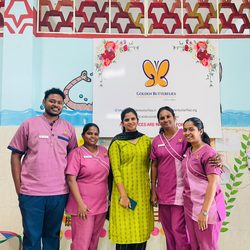
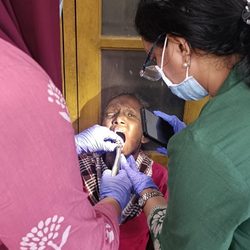
The core committee, consisting of management members, doctors, nurses, physiotherapists, social workers, volunteers and other administrative and organisational staff, had been divided into several subcommittees. Each had its own responsibilities, ranging from patient care, first aid, reception and programme to food, student volunteers and travel.
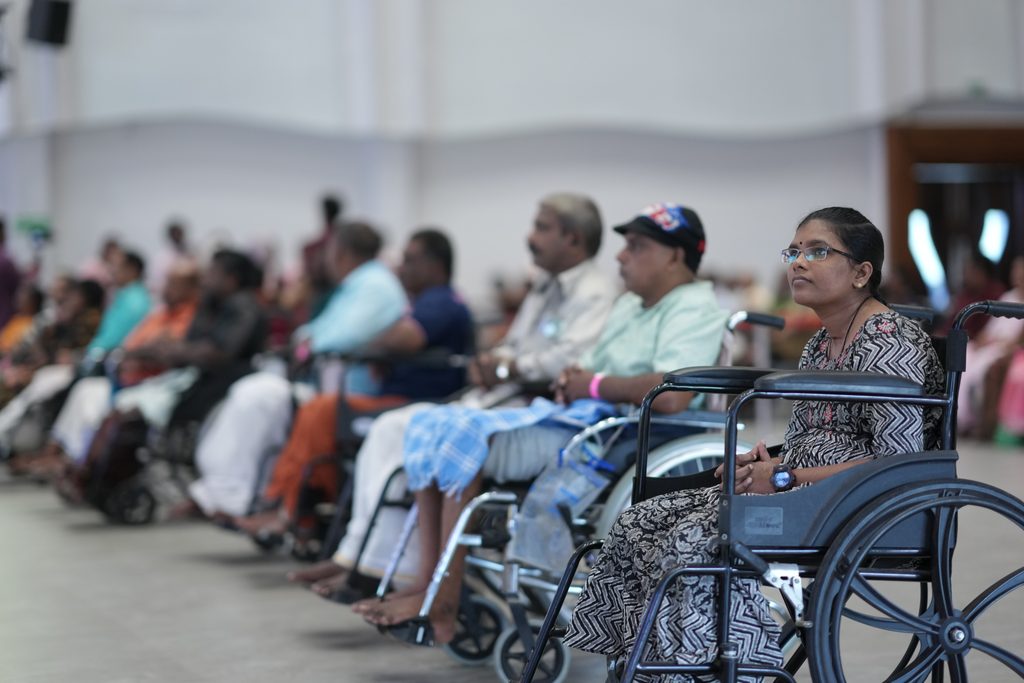
Even the venue had to be finalised after several visits to different possible options. The parameters were clear: find a venue that could easily accommodate wheelchairs, provide sufficient seating for 1,500 attendees, have ramps and lifts, wheelchair-accessible toilets, and enough space for as many people as possible to dine simultaneously without overcrowding the counters. It was obvious that the lessons from last year’s event were coming in handy.
The members responsible for ensuring that the venue was fully stocked with everything required for the event and for any eventualities, considering that patients might need medical assistance at any point during the day, had spent a good part of the evening and night doing just that. A few of them – Shijo, Vishnu, James and others had literally spent the night there, and the first batch of staff was to arrive before 8 the next morning.
The first bus left the Pallium India building and East Fort, Trivandrum, at around 7.10 am. By 8.30 am, the massive venue was dotted with staff members and volunteers in various shades of pink – the official colour code for the event. Counters were set up and running, and everyone was in their assigned place.
The first buses arrived just before 9 am, bringing patients and their families. Trained student volunteers from various colleges stepped in to assist those who needed wheelchair support or simply a steady arm. Breakfast was served in the huge dining hall. For those who couldn’t go down a floor, the space next to the hall had been arranged for dining, with volunteers bringing them their food. And the day had officially begun.
The celebrations begin
The official programme was to kick-start at 11 am, with the arrival of the dignitaries. Until then, the audience needed to be entertained. SreePriya and Shojomon did not disappoint; they kept the event rolling with their lively compering.
Around 11 am, the stage was set for the official inauguration. On the dais were Dr M. V. Pillai, renowned oncologist and writer; Dr Sarah Easaw, MD and Consultant Oncologist, Dr K. M. Cherian Institute of Medical Sciences; Mr M. S. Faizal Khan, Managing Director, NIMS Medicity, and Chancellor, Noorul Islam Centre for Higher Education; Dr Sheela Rani, Professor, Department of Anaesthesiology and Nodal Officer for Palliative Care, Medical College Hospital, Trivandrum; Smt Ambika K, Panchayat President, Kollayil; Dr M. R. Rajagopal, Founder and Chairman Emeritus, Pallium India; and Mr Binod Hariharan, Chairman and CEO, Pallium India.
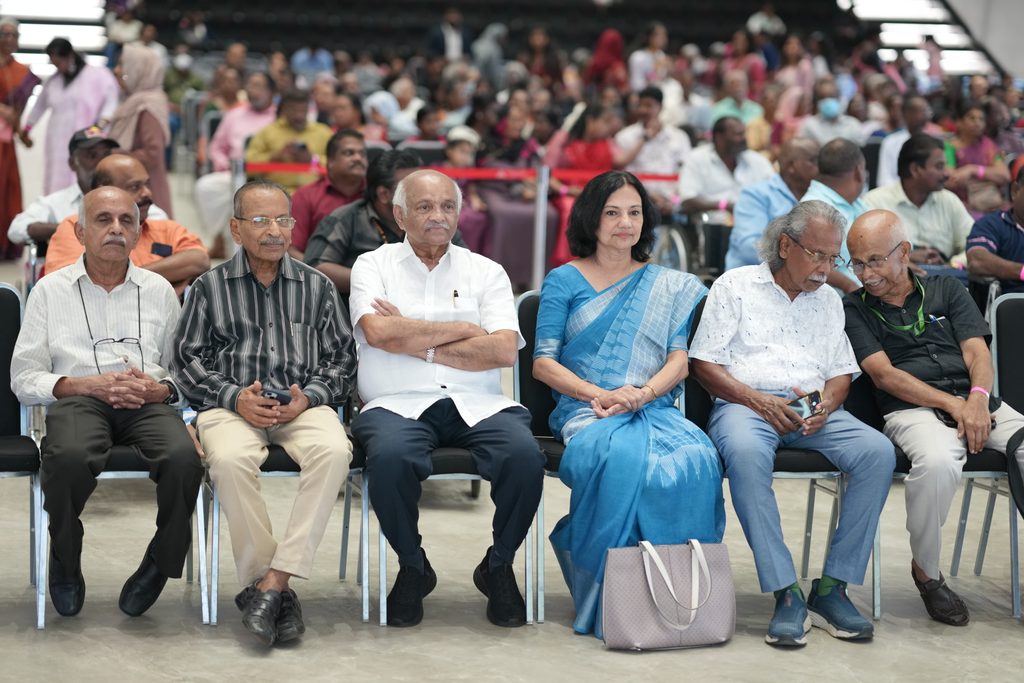
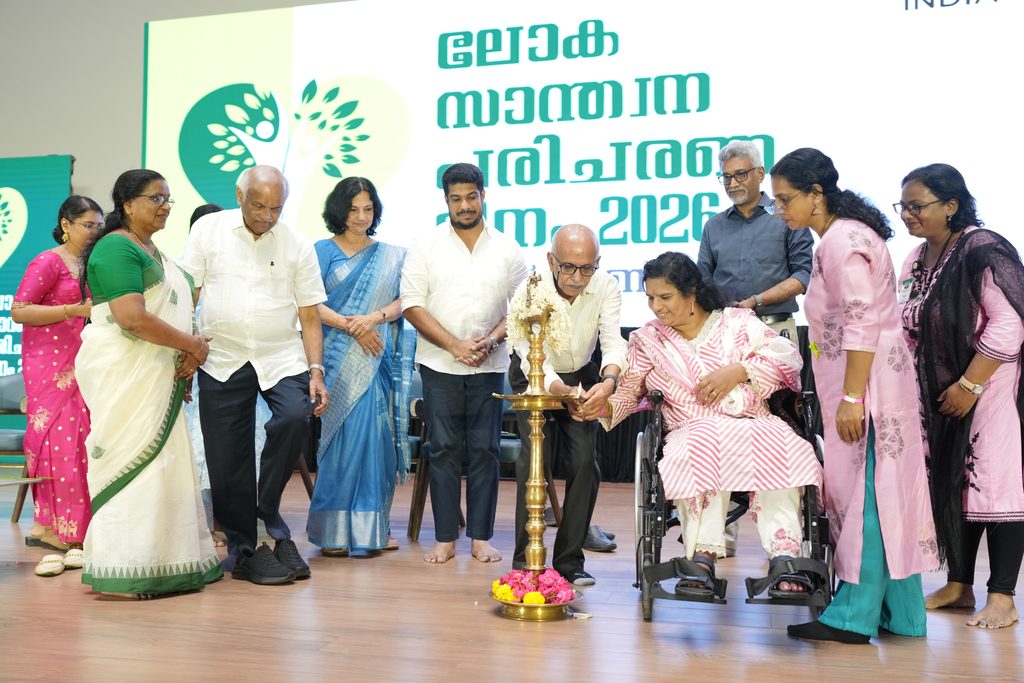
The lamp was lit, the speeches were delivered, and the event was handed over to the chief guests of the day – the patients and beneficiaries.
A few songs and dances by the talented patients and their family members inspired many others, eager to showcase their talents, to come up on stage. The volunteers and staff assigned to the food and reception committees ensured that welcome drinks were served to everyone, and there were repeat takers for the four different-coloured ones!
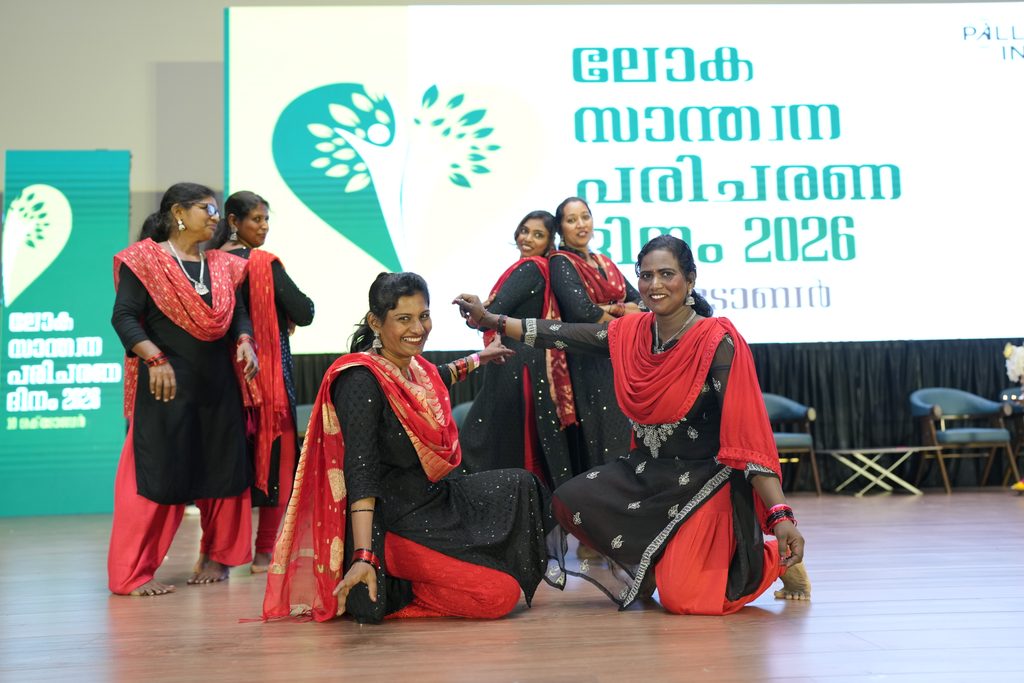
One of the highlights of the cultural programme was the group dance by the Rithu group – mothers of children who are receiving palliative care from Pallium. It’s a testament to the amazing grit and grace of these women who took every minute of nearly unavailable time from their hectic lives that includes caregiving apart from managing work and homes, to practice and put up a dance performance.
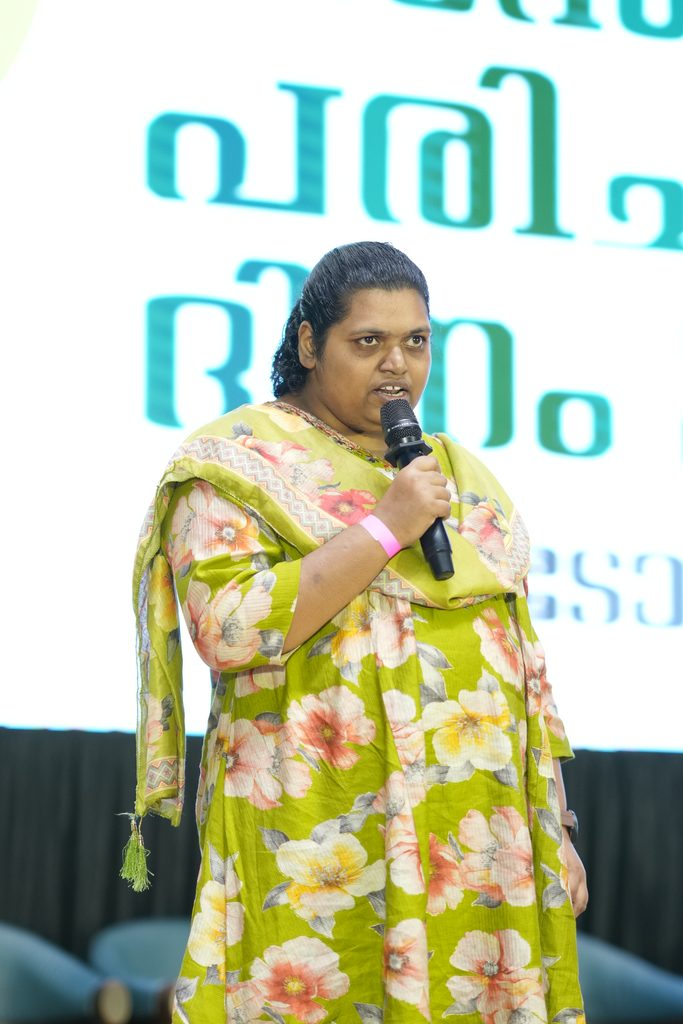
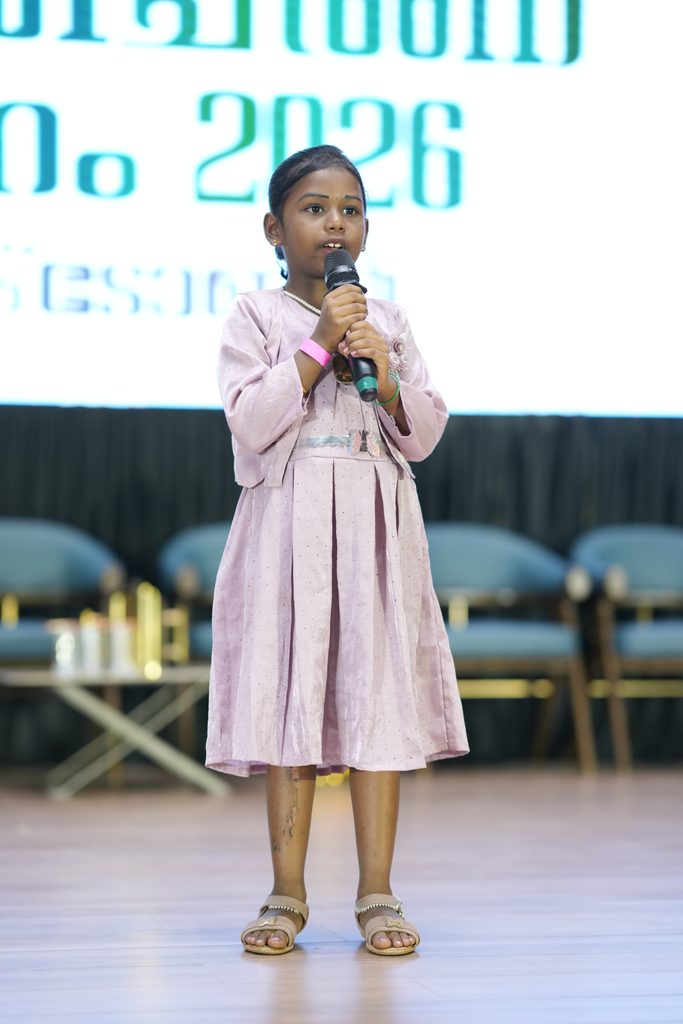
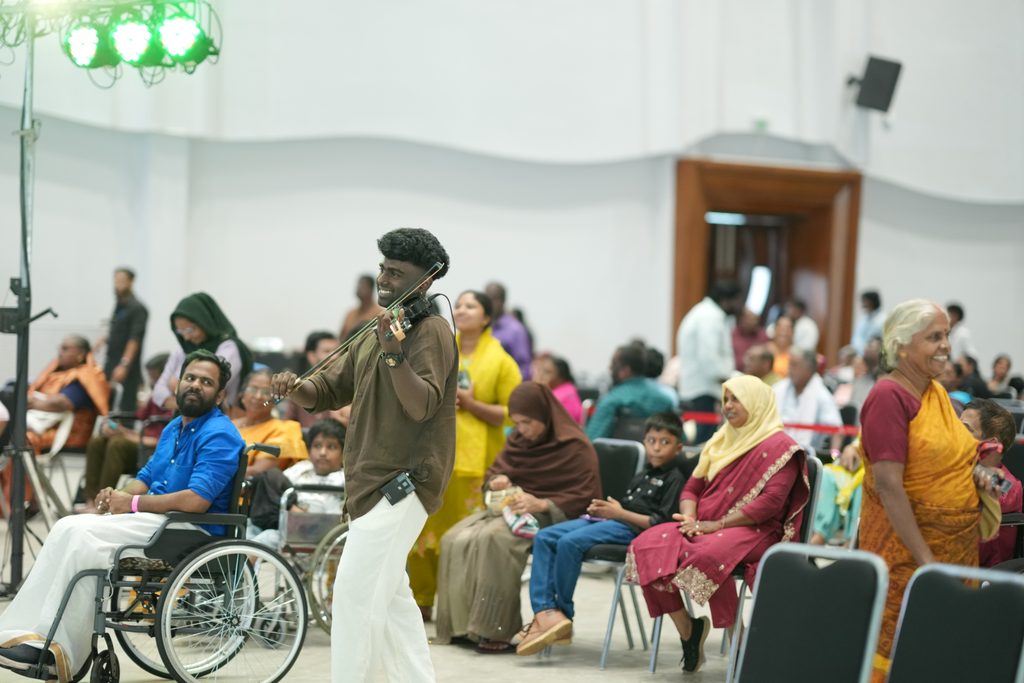
By noon, the food committee members and the caterers had ensured that lunch was ready to be served. The large hall and multiple tables made dining easy and comfortable. The food was delicious, as several diners returning from lunch kept sharing their feedback with those who had not yet gone.
By afternoon, a professional music band had taken over the stage, and the audience was treated to live violin, guitar and keyboard performances.
The huge venue, with its large lobby, also saw many patients and their families catching up with one another. Some had met at the previous WHPCD celebrations, while others had known each other longer and had shared inpatient spaces at Pallium or rehabilitation sessions. What was deeply touching was the love and affection with which they greeted their doctors, nurses, other staff members and even the Palliative Care Executives they remembered from their time at Pallium.
A smoother day, thanks to many hands
Throughout the day, I heard several committee members and long-time volunteers commenting that the event seemed so much more relaxed than previous ones. They would narrate stories of one thing or another that had caused worry and, at times, even chaos. This year, though, almost everything seemed to be working seamlessly.
One of the key pillars of the WHPCD, or any event for that matter at Pallium India, has been the volunteers. Some of them have been associated with the organisation for years, so much so that even the patients and their families know them well. Their dedication and enthusiasm to ensure everything was rolled out smoothly was inspiring. Balachandran uncle, Rema Ramaprasand aunty, Leela aunty and so many more who had tirelessly worked for months leading to the D-day.
A lot of appreciation and applause should go to the wonderful young student volunteers from three different colleges: ACE College of Engineering, Muttathara Engineering College and Government College of Engineering, Barton Hill. They were present without being overbearing, patient and ready to assist whenever required. The colleges had also facilitated the availability of their buses to ferry patients and their families from Trivandrum and beyond.
There had been many internal discussions about the financial feasibility, and even the need, to host such a huge event, given that the organisation had been facing funding constraints. The Resource Mobilisation team, especially Preetha, had worked hard to arrange the donations and funds required to organise the event.
It was decided that the gifts distributed to registered patients at the end of the day would not be given. The HR Manager, Geetha, and the Media Consultant, Deepa, refused to give up what they believed was a tradition. They went around seeking individual donations to make it possible. A kind donor agreed to sponsor all the gifts, and they rushed to procure them a day before the event.
A day that belonged to them
But at the end of the day, as I stood watching the patients and families waiting out the sudden torrential downpour late in the afternoon, I realised that this event was never about whether Pallium India could organise it, whether we had planned for the gifts, or which dignitary came to the opening ceremony.
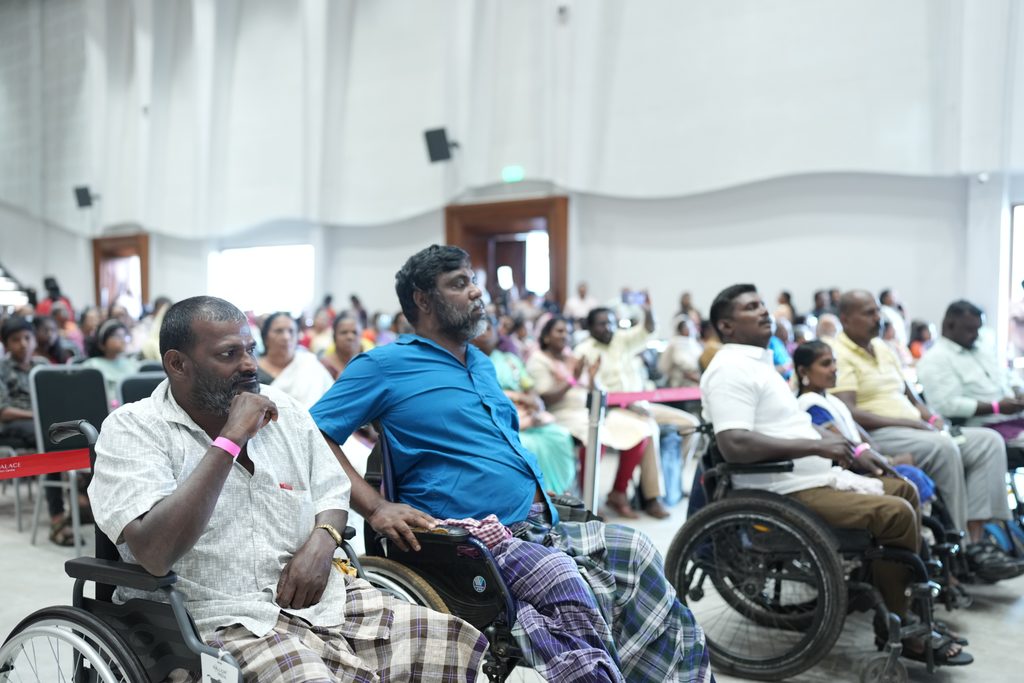
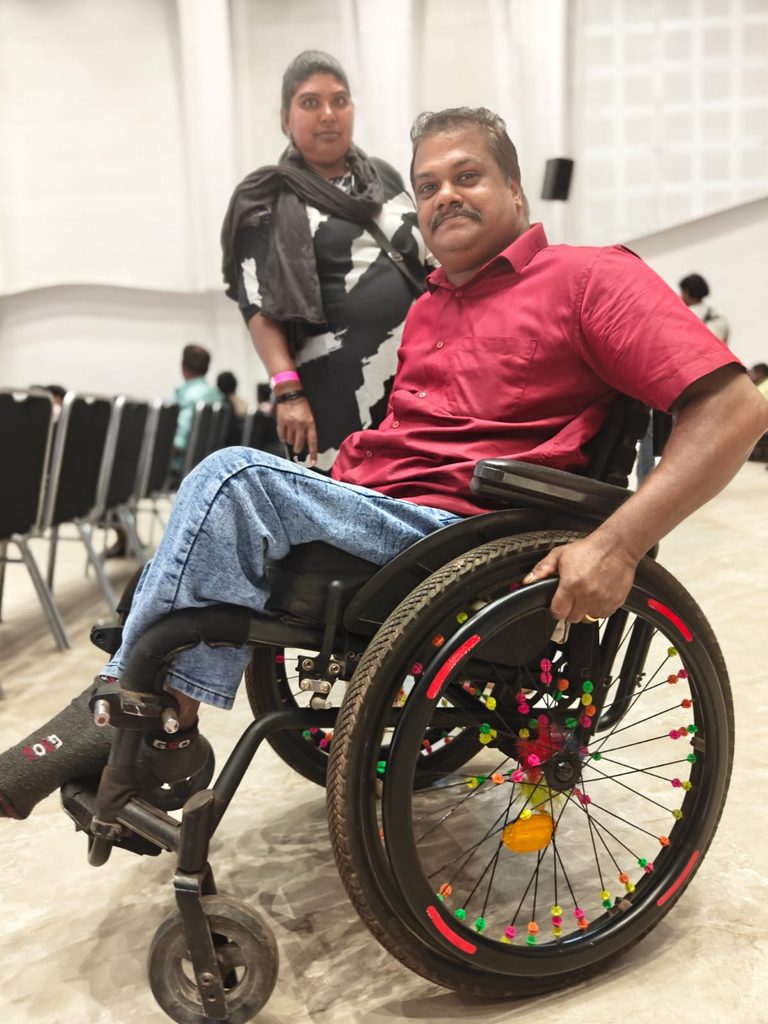
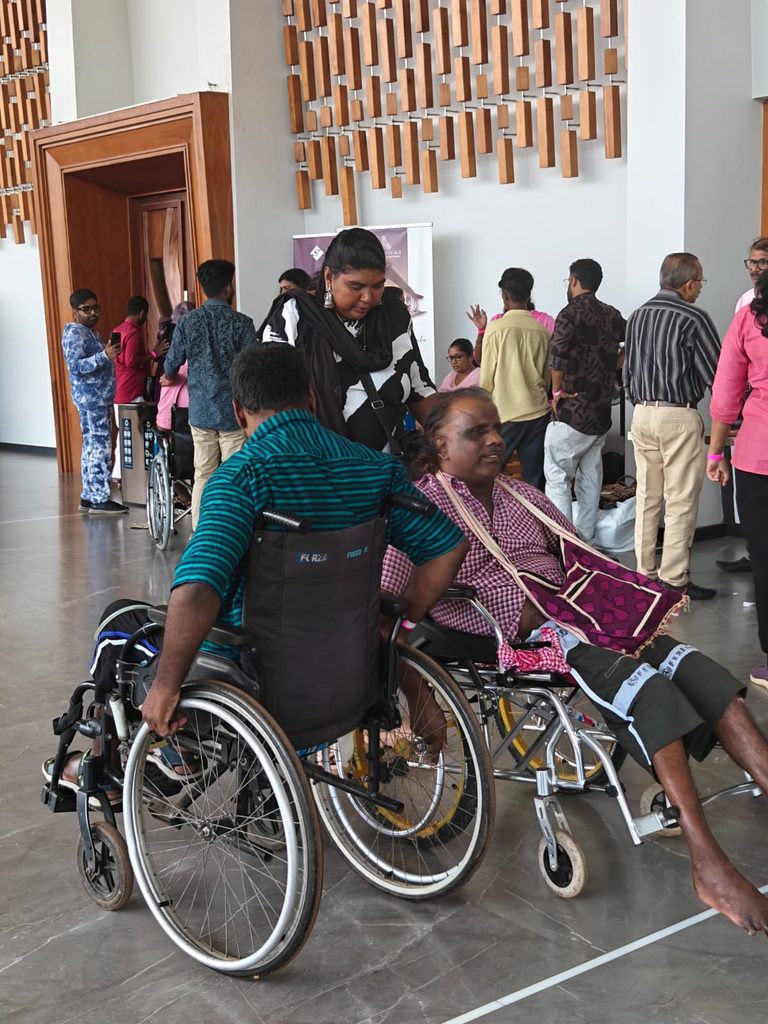
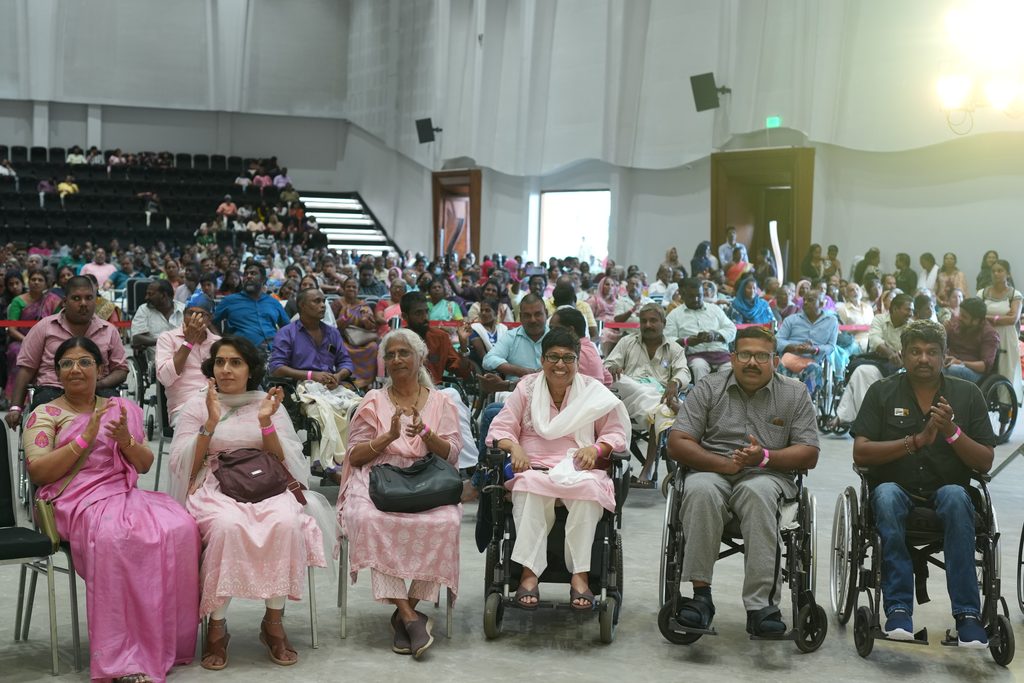
It was about the woman, who said, it was her day. It was about the patients in wheelchairs catching up with one another a whole year later. It was about the parents and families exchanging notes on their lives. It was about the personal connections they had made with doctors, nurses, support staff and even some of the old volunteers.
WHPCD 2026 was about those encounters, stories and people – people who had lived through pain and had come out to celebrate that one day that was theirs.
– Varsha Panicker
Communications, Pallium India