
Little Smiles, Superpowers, and the Magic of Childhood
Childhood is one of the most beautiful chapters of our lives — a time of curiosity, exploration, friendships, and countless little wonders that shape who we become.
But for children receiving palliative care, childhood can unfold very differently. Curious eyes may find their world confined to hospital rooms, laughter interrupted by medical procedures, and the colours of childhood overshadowed by the routines of treatment. Yet, beneath these circumstances, there are still little hearts longing to play, curious minds eager to explore, and childhoods waiting to be lived.
Perhaps it is from recognising this that Golden Butterflies – Children’s Palliative Care Foundation, based in Chennai, envisioned Adi Dhool, its annual carnival celebrating childhood in all its vibrancy.
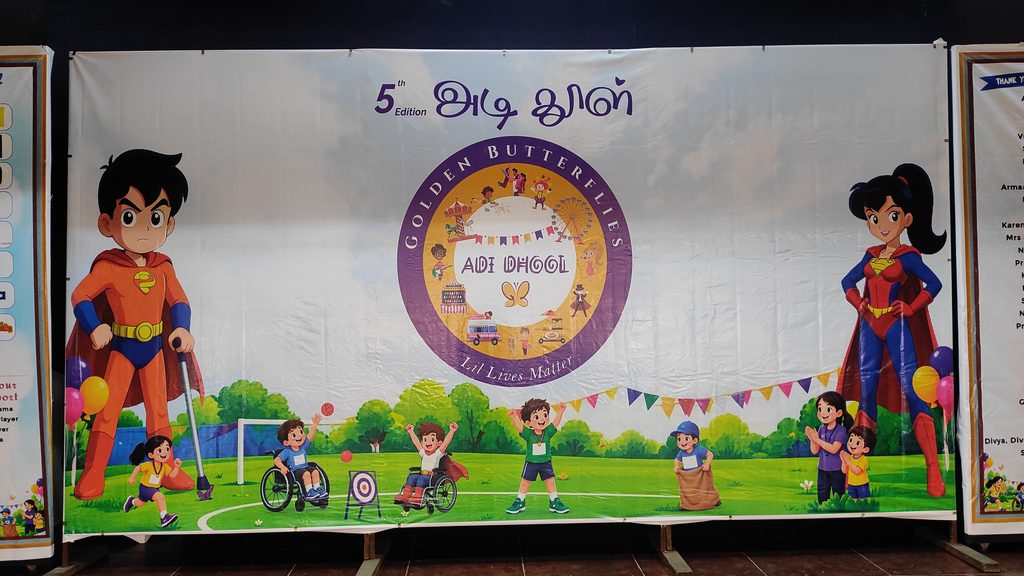
This year, I was fortunate to witness this celebration as part of my institutional visit to the Foundation. A day before the carnival, I met the team, who were busy preparing gifts, arranging materials, and coordinating the event. Their enthusiasm offered a glimpse of what awaited us, but little did I anticipate the vibrant celebration that unfolded the next day.
The venue came alive with student volunteers, trustees, staff members, parents, and children from diverse diagnostic backgrounds. Games, sports, competitions, face painting, food, music, and dance filled the day with excitement. But what stayed with me most was seeing the children immersed in the joy of simply being themselves.
For that day, they were not defined by their diagnoses. They were children — playing, laughing, exploring, and celebrating childhood.
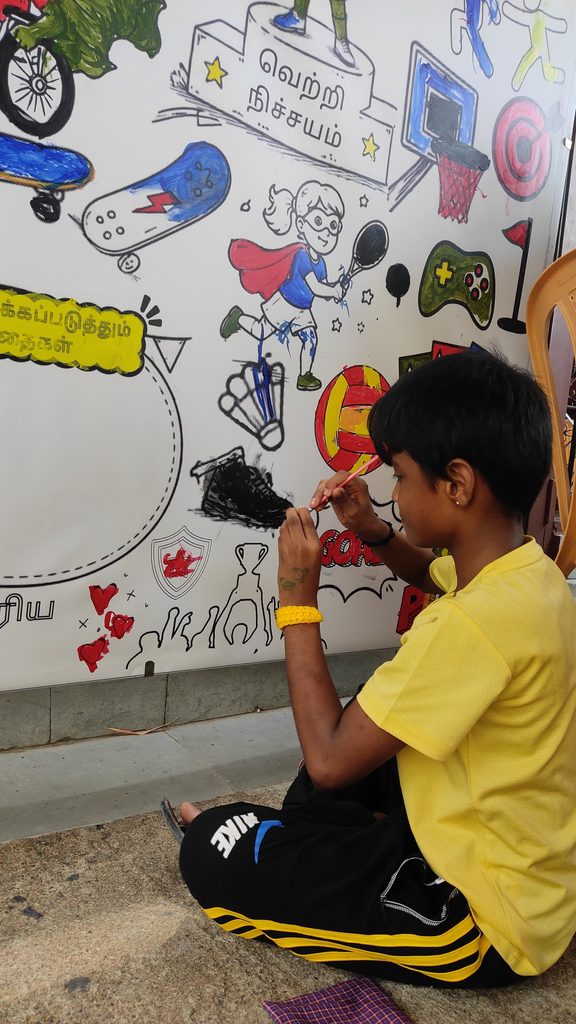
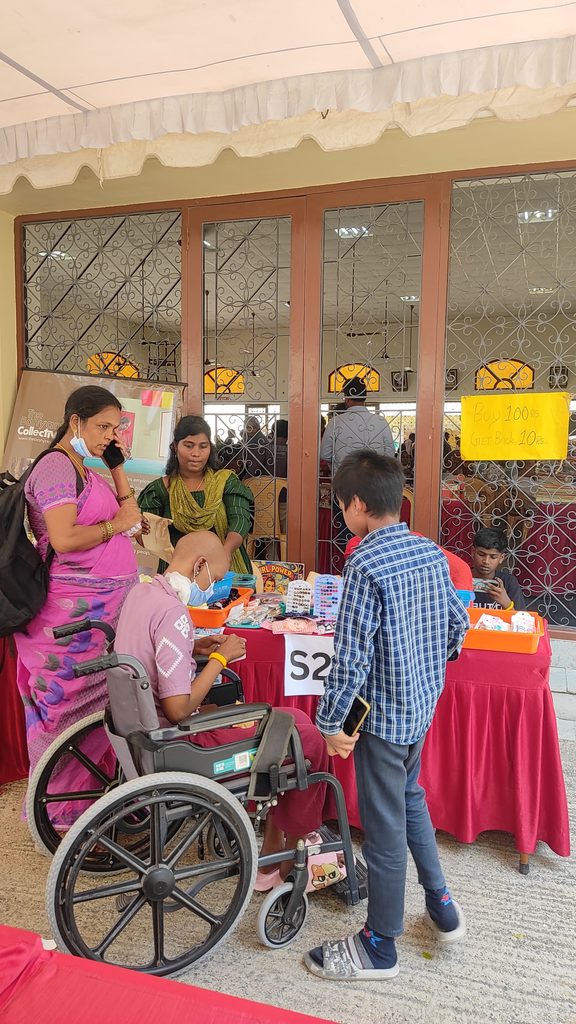
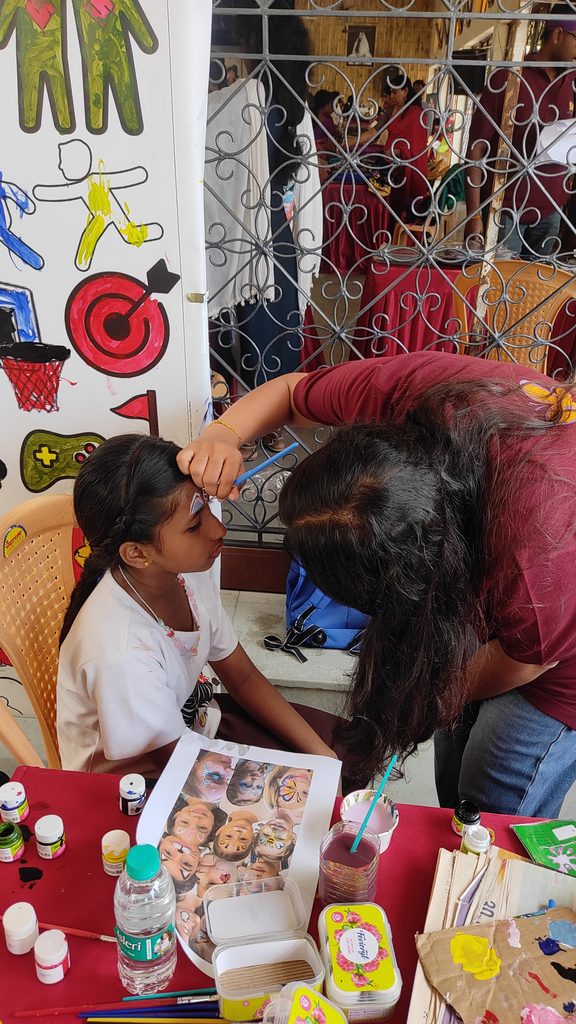
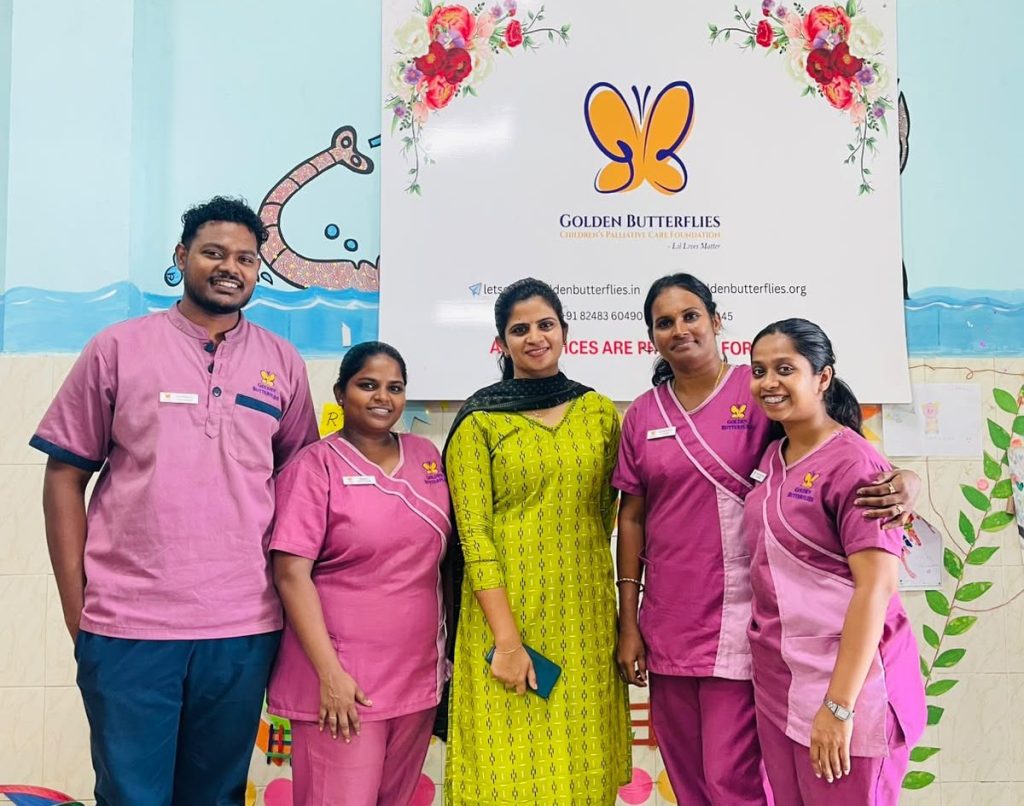
As a psychologist working in palliative care, I found this particularly meaningful. We often focus on distress, emotional challenges, and supporting families through difficult circumstances. Yet, psychological well-being is also about connection, self-expression, participation, and joy. Play is not merely recreation; it allows children to explore their world, express themselves, build relationships, and experience a sense of agency. Adi Dhool created a space where these experiences could flourish, reminding me that inclusion is not simply about being present, but about genuinely participating and belonging.
Equally moving was watching the parents share their children’s happiness. Behind every child was a family navigating uncertainties, adjustments, and caregiving demands. For many, even an outing may require considerable effort. Yet, that day offered families an opportunity to connect, share experiences, and create memories beyond their usual routines. Such moments can offer a sense of community and emotional nourishment amid the demands of caregiving.
The experience also made me reflect on how easily we define normalcy through our own experiences. A day of games, an afternoon with friends, or a chance to dance may seem ordinary, yet these simple pleasures can be difficult to access for some children and families. Perhaps our responsibility is not merely to help children adapt to the world as it exists, but to create spaces that are willing to adapt to them.
One of the most delightful highlights was the superhero theme. Spider-Man, Iron Man, and other beloved characters roamed around, interacting and playing with the children. The wonder in those little eyes was unforgettable. Imagine seeing your favourite superhero come alive, standing right beside you, and becoming part of your world for a whole day!
Watching those beautiful faces light up, I found myself wondering: What if the real superheroes were standing right there all along?
Not because children experiencing serious health-related sufferings must always be brave or inspirational. They are allowed to be vulnerable, frustrated, tired, playful, and curious — everything that childhood encompasses. Their lives hold far more than the challenges they face; their personalities, interests, relationships, and capacity for joy deserve to be recognised beyond the lens of diagnosis.
Adi Dhool reminded me that children’s palliative care extends beyond relieving suffering and managing symptoms. It also means creating opportunities for meaningful experiences, connection, and joy. Although we may not be able to change every circumstance surrounding a child’s life, we can create spaces where their worlds expand, families feel connected, and childhood continues to flourish.
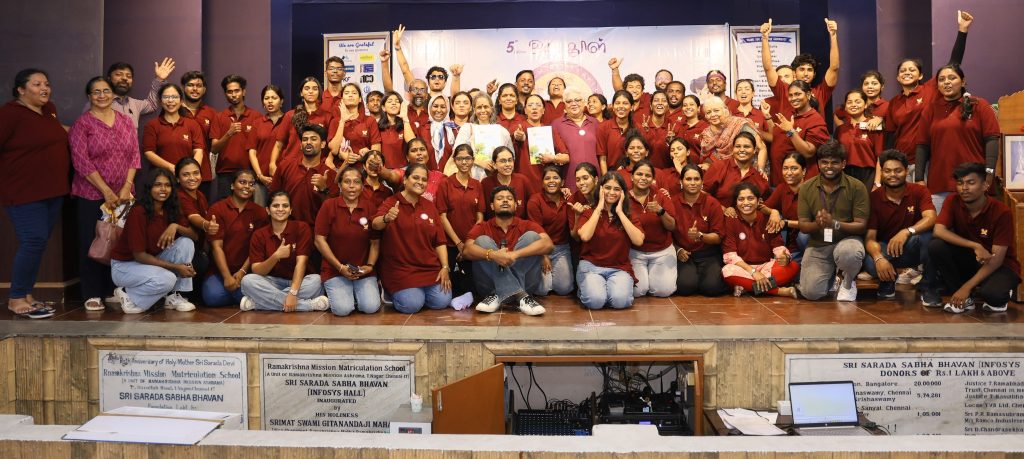
That day, I witnessed more than a carnival. I witnessed what becomes possible when a community comes together to make room for childhood, with all its colours, curiosity, and wonder.
Because childhood should not have to wait for life to become easier. Every child deserves the opportunity to live, connect, explore, and celebrate their childhood. And sometimes, the most meaningful thing we can do is simply create the space for them to be children.
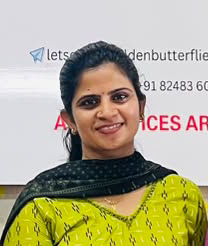
Rajasree Kalikkot
Psychologist, Children’s Palliative Care, Pallium India