
When the Sea Became a Memory
One patient I met through Pallium India left a lasting impression on me and changed the way I think about suffering.
He was a fisherman with advanced hepatocellular carcinoma. When I first met him, I assumed that his biggest concern would be the physical pain caused by his illness. But as we spoke, it became clear that his suffering went far beyond his symptoms.
He told us about the Sea.
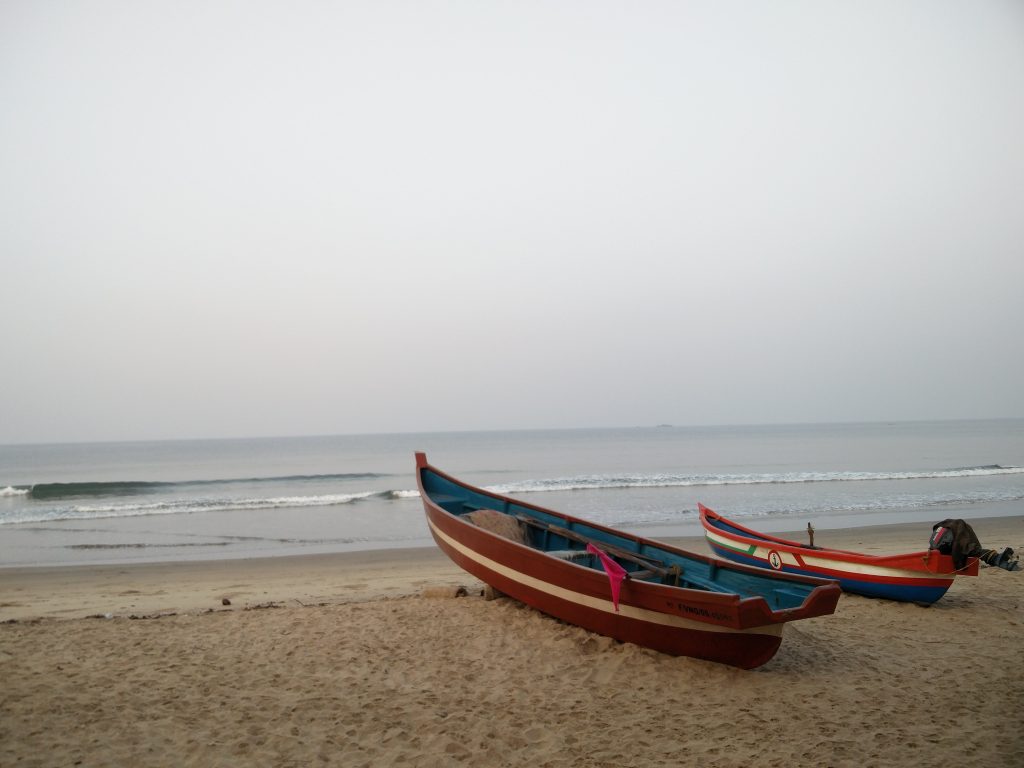
For most of his life, he had woken before sunrise, stepped onto his boat, and headed out onto the water. The sea was not just his livelihood; it was his identity. He spoke about the smell of the salt air, the feeling of diving into the water, and the peace he felt when he was surrounded by nothing but the horizon. His happiest memories were tied to the ocean.
As his illness progressed, he became too weak to work. Eventually, he could no longer swim or even climb onto a boat. What broke his heart was not only the cancer itself but the feeling that he had lost the life that made him who he was.
I remember him saying something along the lines of, “Everyone asks me about my pain, but nobody asks me how much I miss the sea.”
That sentence stayed with me.
At that moment, I understood what Dame Cicely Saunders meant by “total pain.” His suffering was physical, yes, but it was also emotional, social, and spiritual. He was grieving the loss of his independence, his role in his family, his connection to the sea, and a part of his identity.
His story resonated deeply with me because of my own experience living with a chronic health condition. Although our circumstances were very different, I understood the feeling of having an illness reshape your world. There were times when my health became the center of my life, affecting my plans, my choices, and my sense of freedom. I know what it feels like when your body places limits on things that once felt effortless.
That experience taught me that every patient carries a unique story. For me, maintaining my health often felt like the most important goal because it represented independence and possibility. For this fisherman, what mattered most was not a laboratory value or a scan result—it was the sea. It was the ability to stand on a boat, feel the wind on his face, and be the person he had always been.
What struck me about Pallium India’s approach was that they recognized this. The team did not see him merely as a man with liver cancer. They saw a fisherman who was mourning the loss of a life he loved. They listened to his story, acknowledged his grief, and cared for the whole person rather than just the disease.
That encounter reinforced why I am drawn to Pallium India. It reminded me that healing is not always about curing. Sometimes it is about understanding what a person has lost, what still gives their life meaning, and walking alongside them with compassion and dignity through that journey.
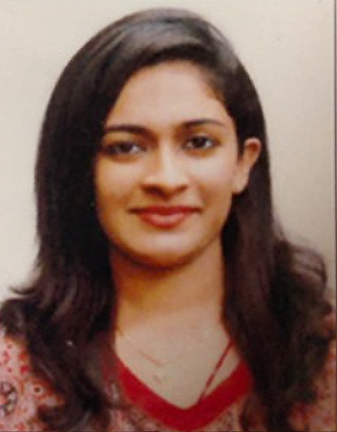
Dr Jewel Mariya Jose
Jr. Palliative Care Physician, Pallium India