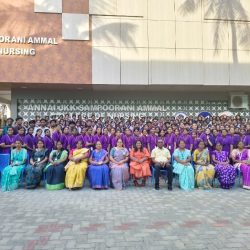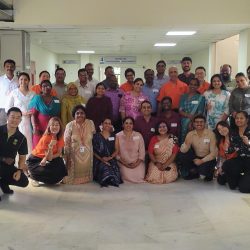

Compassion Starts in the Community
Empowering Community Health Associates through Palliative Care Training
Pallium India, in collaboration with the Azim Premji Foundation (APF), successfully conducted a two-day Community Health Associates (CHA) Training Programme in Bengaluru on 21–22 July 2026. The programme marked an important step towards integrating palliative care into primary health care by strengthening the capacity of frontline community health workers to identify and respond to Serious Health-Related Suffering (SHS).
The training was initiated following discussions between Pallium India and the Azim Premji Foundation on strengthening community-based palliative care. Designed specifically for Community Health Associates, the programme aimed to equip participants with the knowledge, skills, and confidence to recognise people with palliative care needs early, communicate effectively with patients and families, provide basic supportive care, and facilitate timely referral to appropriate health services.
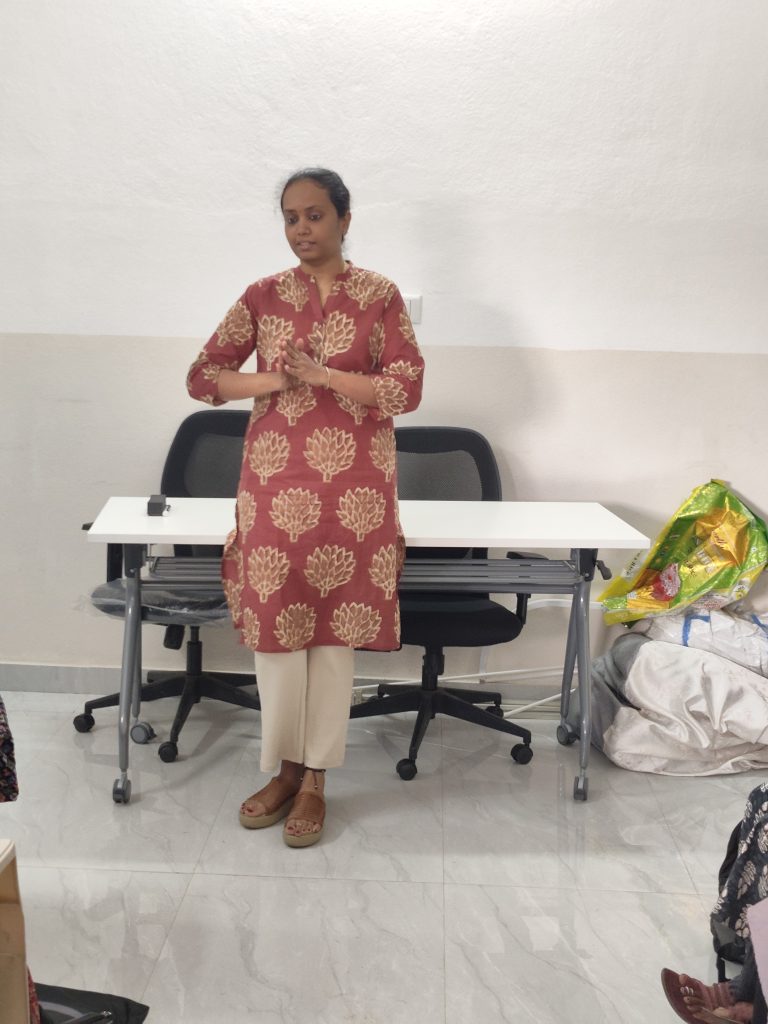
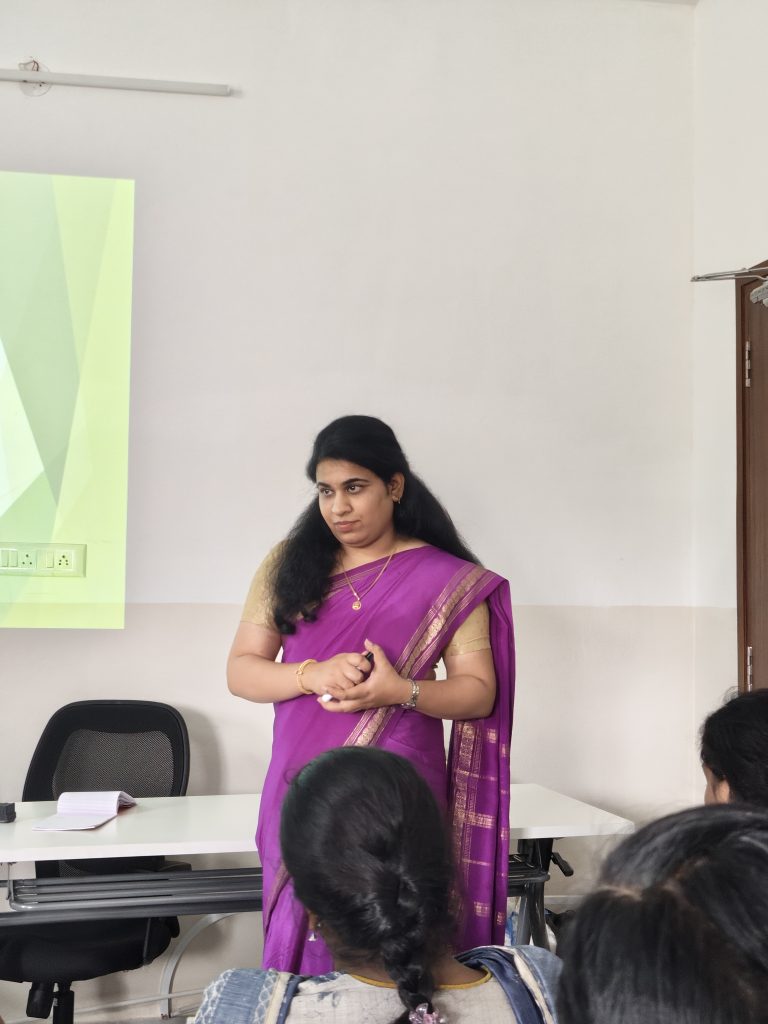
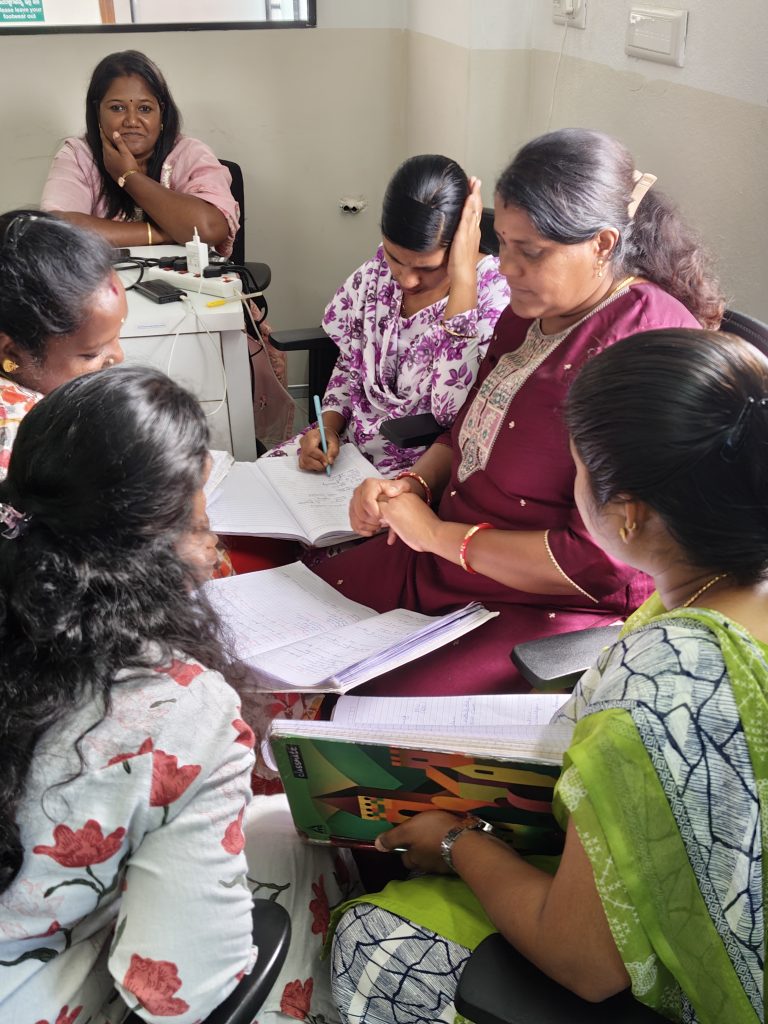
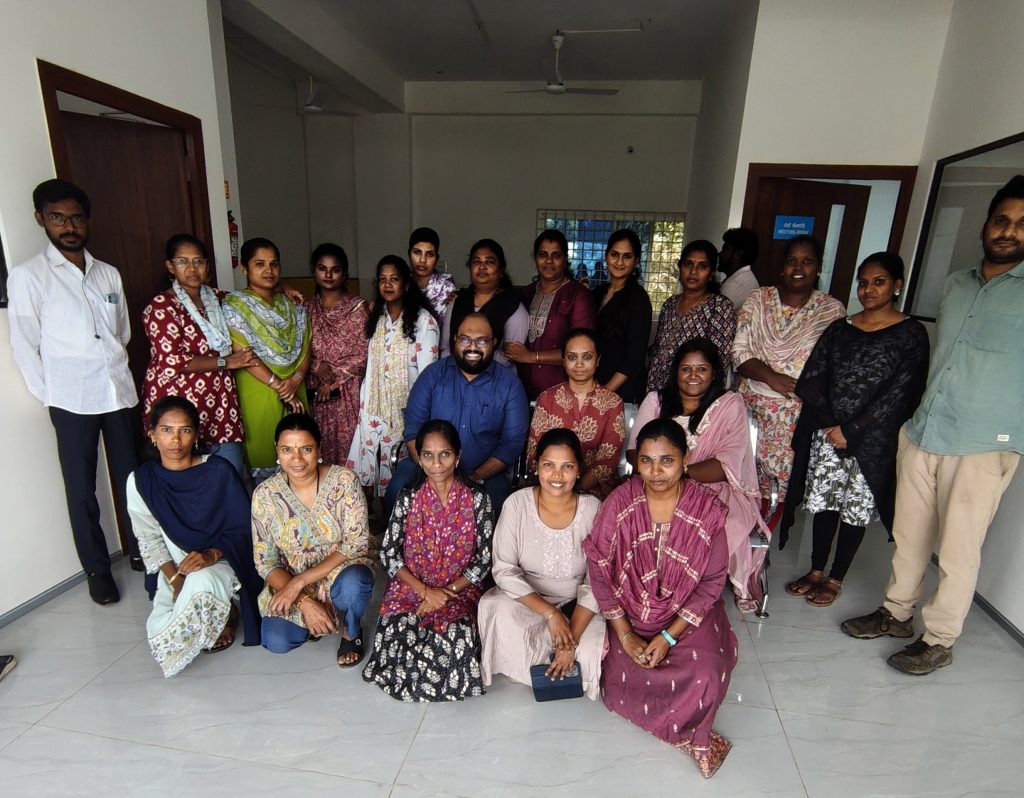
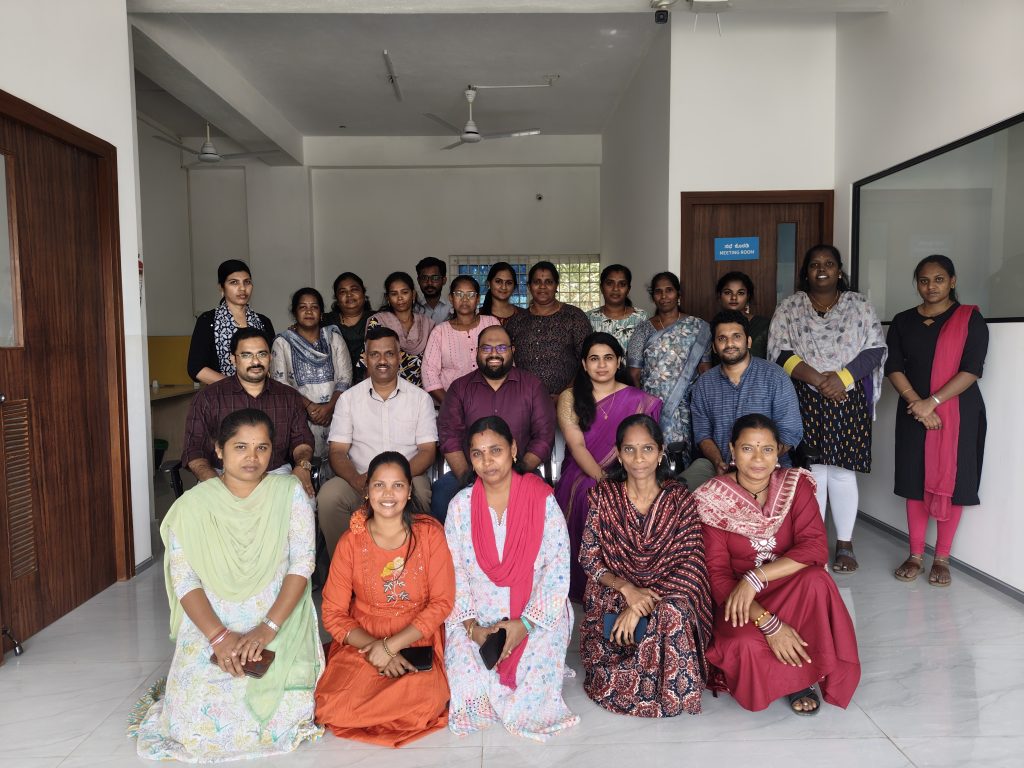
It was a privilege to be part of the faculty for this training programme, working alongside an exceptional multidisciplinary team. The interactive discussions, practical sessions, and active participation from the Community Health Activists created an enriching learning environment, reinforcing our shared vision of integrating palliative care into primary health care.
From the inaugural session onwards, the Community Health Associates displayed remarkable enthusiasm and commitment. Participants actively engaged in discussions, shared experiences from their field practice, raised thoughtful questions, and eagerly participated in practical exercises and role plays. Their curiosity and willingness to learn transformed the programme into a vibrant and enriching learning experience for both participants and faculty.
The programme commenced with an engaging session on Introduction to Palliative Care, led by Dr. Malavika, Consultant Anaesthetist and Consultant Palliative Care Physician at ESIC Medical College. She introduced participants to the philosophy of palliative care, emphasizing holistic, person-centred care that focuses on relieving suffering rather than merely treating disease. Through practical examples and discussions, participants explored the concept of Serious Health-Related Suffering, the importance of early identification, family-centred care, and the role of palliative care throughout the illness journey.
One of the most appreciated sessions of the programme was “The Role of Volunteers in Palliative Care,” delivered by Mr. T. M. Salim, a palliative care volunteer from Shihab Thangal Center for Humanity. Drawing upon his extensive experience in community engagement, he highlighted the invaluable contribution volunteers make in supporting patients and families through compassion, emotional support, coordination, advocacy, and community mobilisation. His inspiring stories, practical examples, and heartfelt reflections resonated deeply with the participants, making this session one of the highlights of the programme.
The afternoon session on Institutional Services was facilitated by Dr. Adarsh Varghese, Chief National Capacity Officer and a Public Health Expert, Pallium India. He provided participants with an overview of Pallium India’s comprehensive model of care, including outpatient and inpatient services, home care, telehealth, psychosocial support, rehabilitation initiatives, caregiver support, community engagement programmes, and linkages with government welfare schemes. The session highlighted how Community Health Associates can play a crucial role in connecting individuals and families with available services and strengthening continuity of care.
Communication, one of the cornerstones of quality palliative care, was addressed by Dr. Malavika through an engaging and highly interactive session. Participants explored the principles of empathy, active listening, effective verbal and non-verbal communication, and practical strategies for building trust with patients and families. Interactive role plays encouraged participants to practise these essential skills using realistic community scenarios, making the session both enjoyable and highly relevant to their day-to-day work.
On the second day, Smt Honey Mathew, Senior Palliative Care Nurse at Baptist Hospital, conducted a practical and informative session on Basic Nursing Care in the Palliative Setting. The session covered essential nursing interventions, including personal hygiene, oral care, safe patient positioning, prevention of pressure injuries, nutrition and hydration, and caregiver support. Participants appreciated the practical demonstrations and simple interventions that can significantly improve the comfort, dignity, and quality of life of people living with serious illness.
The programme also featured a comprehensive session on Pain and End-of-Life Care Management by Dr. Supriya Raghunath, Consultant in Palliative Care at Manipal Hospital, Yeshwanthpur and Miller’s Road. With her special interest in onco-palliative care, she guided participants through the concepts of total pain, safe pain management, common misconceptions regarding pain medications, symptom control, family counselling, and compassionate end-of-life care. Participants appreciated the practical approach adopted during the session, which helped demystify pain management and reinforced the importance of compassionate care throughout the illness journey.
The programme concluded with reflective group discussions, participant presentations, and a summary of key learning points. These sessions reinforced the importance of early identification of serious health-related suffering, compassionate communication, teamwork, and timely referral. Participants expressed confidence in applying the knowledge and skills gained during the training within their own communities, reflecting the programme’s practical relevance and impact.
Pallium India extends its sincere gratitude to the Azim Premji Foundation for partnering in this important initiative and for its commitment to strengthening community-based healthcare. We also thank Dr. Malavika, Dr. Adarsh, Mr. T. M. Salim, Smt Honey Mathew, Dr. Supriya Raghunath ,and Mr Prince for generously sharing their expertise and experience. Above all, we congratulate the Community Health Associates whose enthusiasm, curiosity, and active participation made the programme an inspiring and memorable learning experience.
As Pallium India continues to work towards integrating palliative care into primary health care, partnerships such as these reaffirm a shared commitment to ensuring that compassionate, person-centred care reaches every individual who needs it. By empowering Community Health Associates, we are taking another meaningful step towards building compassionate communities where people living with serious illness receive timely support, dignity, and quality care—close to their homes.
Because compassion truly starts in the community.

Dr Arjun Devarajan
In-Charge-Clinical Services
Karnataka Mission, Pallium India