When the Missing Piece Finally Makes Sense
Reflections from an Implementation Science Workshop
I have often wondered why implementing palliative care is so difficult.
Over the years, I have been privileged to work with hospitals, government institutions, and communities to establish palliative care services. Each project was unique. Some flourished, while others progressed slowly despite committed teams and clear evidence. We trained professionals, developed protocols, advocated with leadership, and built partnerships. Sometimes it worked remarkably well. Sometimes it didn’t.
I often found myself asking, “If everyone agrees this is the right thing to do, why is it still so difficult?”
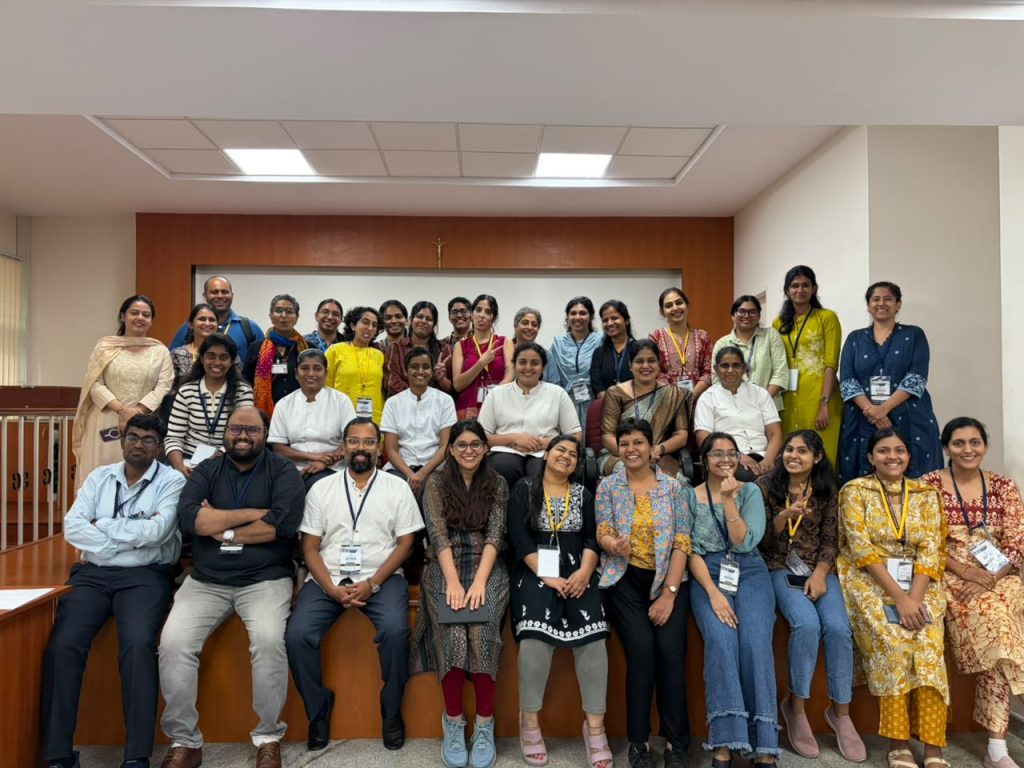
The three-day Implementation Science Workshop at St. John’s Medical College Hospital gave me a language for questions I have been carrying for years.
One sentence stayed with me throughout the workshop:
‘Evidence doesn’t change practice. Implementation does.’
It sounds simple, but it fundamentally changes how we think.
For years, medicine has focused on discovering what works. Implementation science asks a different question: How do we ensure what works actually reaches every patient who needs it?
That distinction resonated deeply with me.
As palliative care professionals, we no longer need to prove that palliative care improves quality of life. The evidence is overwhelming. Yet patients continue to be referred late, services remain unevenly available, and integration into routine healthcare is still inconsistent.
The problem, I realised, is rarely the evidence.
The problem is the system.
One of the workshop’s most powerful ideas was the concept of the implementation gap—the space between evidence and routine practice. Clinical trials may demonstrate excellent outcomes under ideal conditions, but translating those results into busy hospitals with limited resources, competing priorities, and diverse cultures is an entirely different challenge.
As the sessions progressed, I found myself mentally revisiting many of the projects I have been involved in.
The integration of palliative care into private hospitals. Developing services in government institutions. Building multidisciplinary teams. Creating referral pathways. Working with hospital leadership. Designing workflows. Training healthcare professionals.
Until now, I had viewed these as operational challenges.
This workshop helped me realise that they are, in fact, implementation science questions.
What fascinated me most was that implementation science doesn’t merely identify barriers—it provides structured ways to understand them, engage stakeholders, select strategies, measure outcomes, and refine interventions until they become sustainable.
Perhaps the biggest personal takeaway was that much of what we have been doing at Pallium India has always been implementation science—we simply hadn’t called it that.
Every hospital partnership. Every training programme. Every policy discussion. Every effort to integrate palliative care into routine services.
These are all attempts to bridge the gap between evidence and everyday practice.
The workshop also reminded me that healthcare transformation is rarely driven by individual enthusiasm alone. Sustainable change requires systems—leadership engagement, clinical champions, education, feedback, measurement, organisational support, and continuous adaptation.
That is both humbling and hopeful.
I left Bengaluru not with all the answers, but with better questions.
How do we design services that survive beyond individual champions?
How do we measure whether integration is truly happening?
How do we learn from failures instead of simply accepting them?
How do we make palliative care the expected standard rather than an optional service?
As Pallium India continues to expand palliative care across hospitals and communities, I believe implementation science offers us more than another academic discipline. It provides a roadmap for translating decades of evidence into meaningful, equitable, and sustainable care.
Sometimes, the most valuable thing a workshop offers isn’t a new technique or a new framework.
Sometimes, it simply gives a name to work you’ve been doing all along—and in doing so, helps you see your work in an entirely new light.
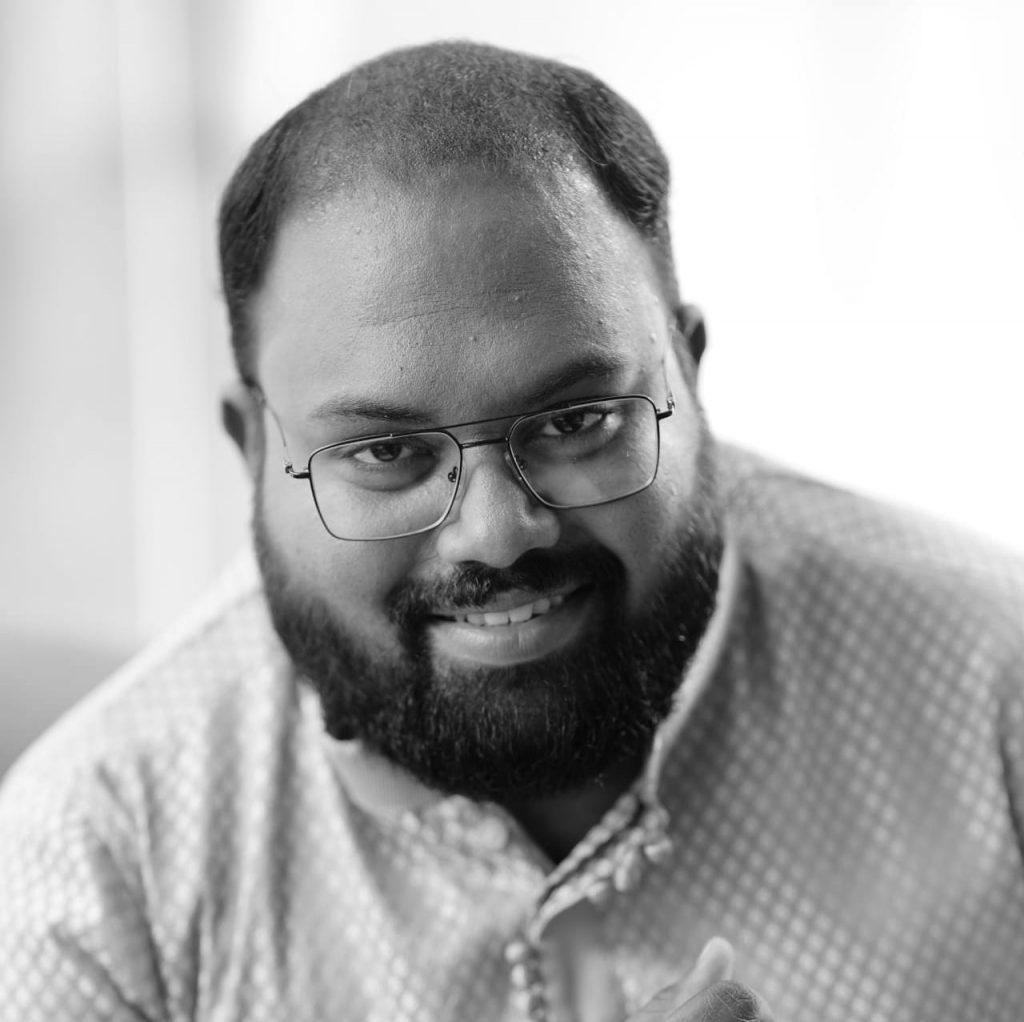
Dr Arjun Devarajan
In-Charge-Clinical Services
Karnataka Mission, Pallium India




Leave a Reply