
Onam at Pallium India: Celebrating Together
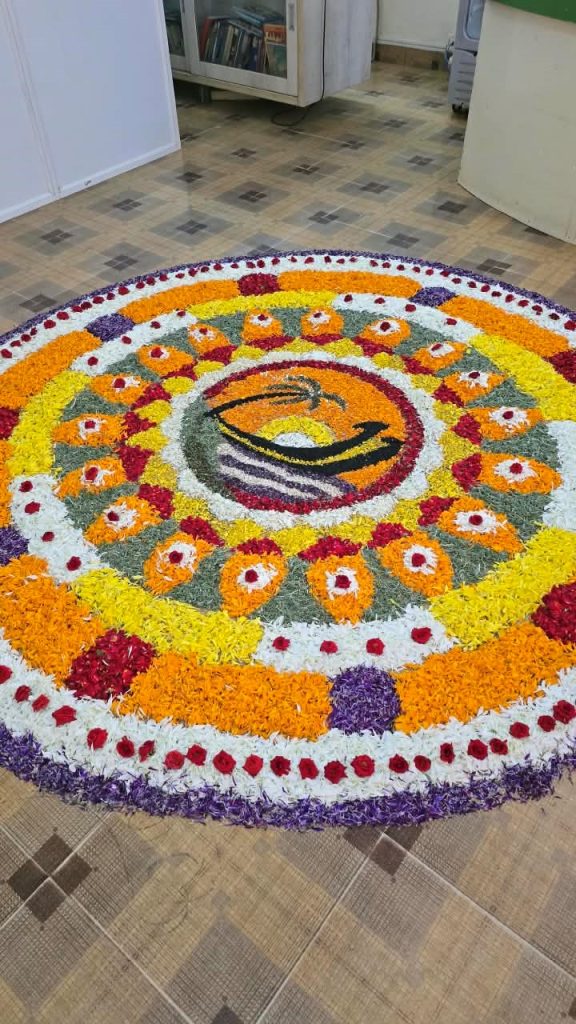
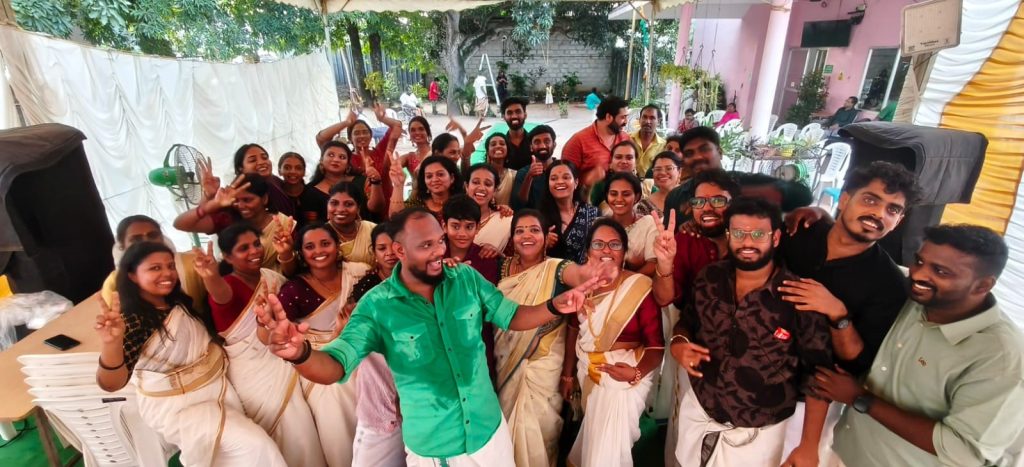
Pallium India’s official Onam celebration on 21 August brought the entire premises alive with colour, laughter, music, dance and, of course, plenty of festive spirit.
For a workplace where our days are so often centred around illness, uncertainty, caregiving and the realities of living with serious health conditions, celebrations like these carry a significance of their own. They give us an opportunity to pause from the demands of our everyday work and simply enjoy being together. The atmosphere was lighter, louder and a little more carefree, as colleagues who spend their days caring for others came together to celebrate, laugh and make memories.
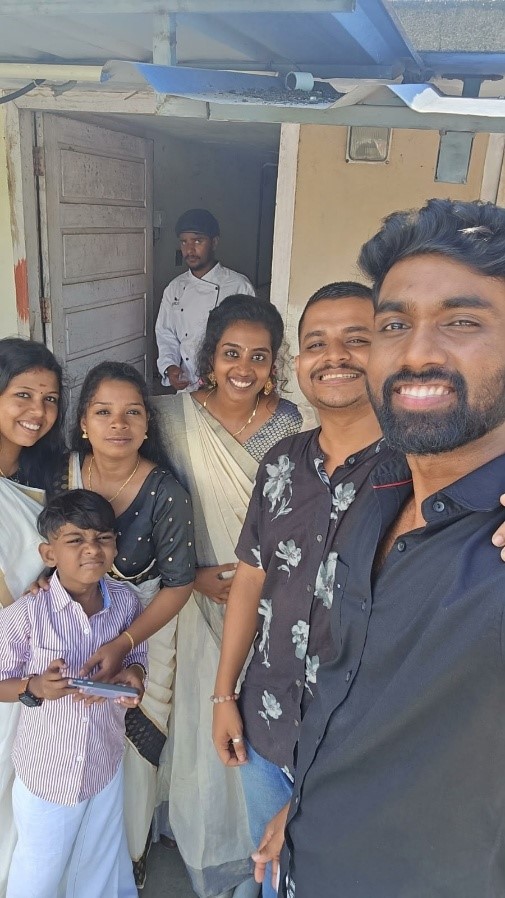
Our doctors, nurses and staff took to the stage with dance performances that came together with very little rehearsal time, but an abundance of enthusiasm. There was perhaps not enough time to perfect every step, coordinate every movement or achieve the kind of polished performance one might expect from a fully rehearsed programme. But there was certainly no shortage of confidence!
And honestly, the energy more than made up for the evident lack of practice.
The performances were among those moments that reminded us that behind the professional roles and responsibilities are people who know how to let their hair down, cheer each other on and laugh at themselves. There were colleagues dancing far outside their comfort zones, others encouraging them enthusiastically from the sidelines, and plenty of laughter when a few steps inevitably went in an entirely unexpected direction. It was imperfect in the best possible way, and that made it all the more enjoyable. There were games, cheering, laughter and, of course, a very special Maveli.
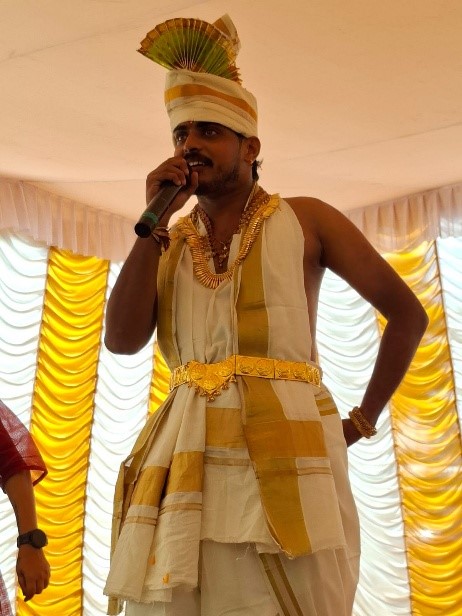
Our very own six-pack CSO Shijo challenged every stereotype associated with the traditional round-bellied Maveli and did it with considerable style! Maveli may traditionally be imagined with a generous belly, a grand moustache and an unmistakably regal presence, but Shijo arrived with a rather different interpretation of the look. His unconventional take on the king of Kerala certainly gave everyone something to talk about.
It was one of those wonderfully silly moments that made the celebration feel less like an official workplace programme and more like a gathering of people who were genuinely enjoying themselves. The celebrations also had a sporting touch, with the much-awaited Pallium Sports League Season 3 awards. The awards recognised the teams and players who brought their competitive spirit to the field over the course of the season. PSL has become its own little tradition within Pallium India, giving people an opportunity to step away from their usual roles and come together in a completely different setting.
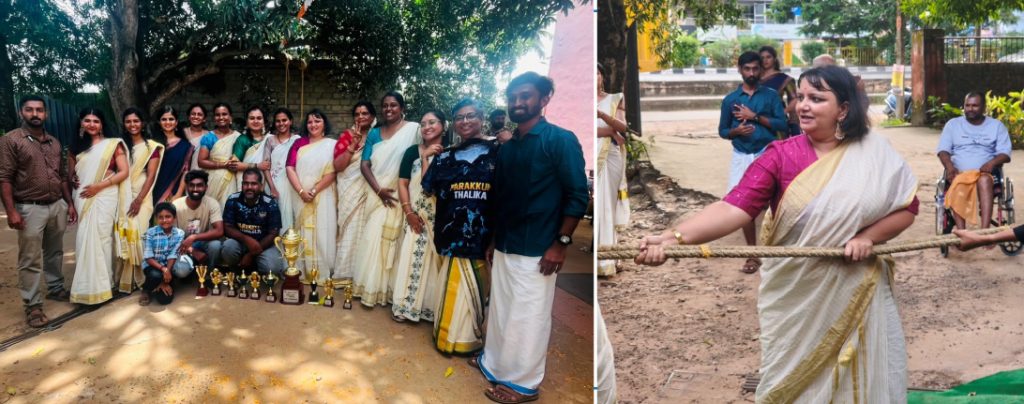
There is something particularly nice about seeing colleagues who spend their days working together in care also becoming teammates, opponents, cheerleaders and, occasionally, extremely competitive sportspeople!
For me, however, the day had a slightly different shape.
I was able to attend only the first half of the official celebrations. In the middle of all the festivities, one of our IP care beneficiaries needed to be taken to Government Medical College and Hospital, Thiruvananthapuram, for a neurological test. It was something that could not simply be postponed because it happened to be Onam. The test was needed, the hospital visit had to happen, and the care beneficiary needed to be accompanied.
Care Assistant Sam was accompanying the beneficiary, which meant that he, too, would have to miss a part of the Onam celebrations. And I could not quite bring myself to let him be the only one missing out because of the hospital visit.
So, I decided to go with them.
It was not about replacing Sam or taking over his responsibility. Sam was still accompanying the beneficiary. We simply went together instead of him having to make the trip alone.
In many ways, it felt like a very Pallium kind of moment. Even on a day meant for celebration, the work of care continued, and so did the instinct to look out for one another. Sometimes that care extends beyond the person directly receiving care. It also means noticing the person beside you, recognising that they, too, deserve to be part of the celebration, and finding a way to share the responsibility when you can.
So, while the music, dance and games continued at Pallium India, Sam and I made the hospital trip together.
There was something strangely fitting about that.
On a day when we were celebrating togetherness, we were, in a very different way, practising it. The celebration did not stop simply because there was a hospital visit to be made. The work did not stop either. Care continued, as it always does.
Thankfully, the hospital visit did not take up the entire day, and we were able to make our way back in time for the Sadhya.
Coming back to the celebration after spending part of the day in hospital made the contrast particularly noticeable. One moment was about neurological investigations, hospital corridors and the practical responsibilities of accompanying a care beneficiary. The next was about sitting together with colleagues, sharing food, laughing and enjoying the festival. Both, in their own way, were part of the same day at Pallium India.
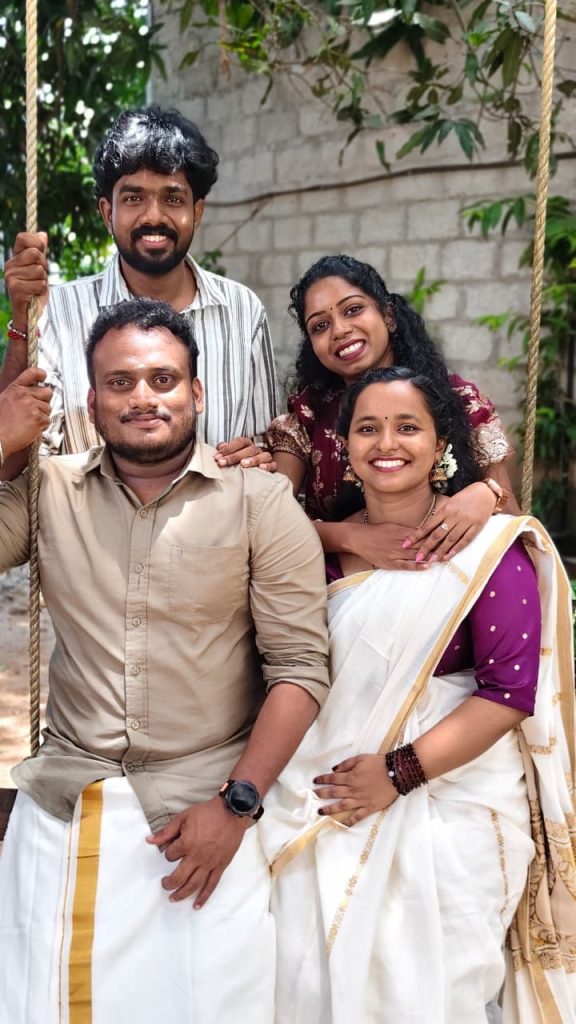
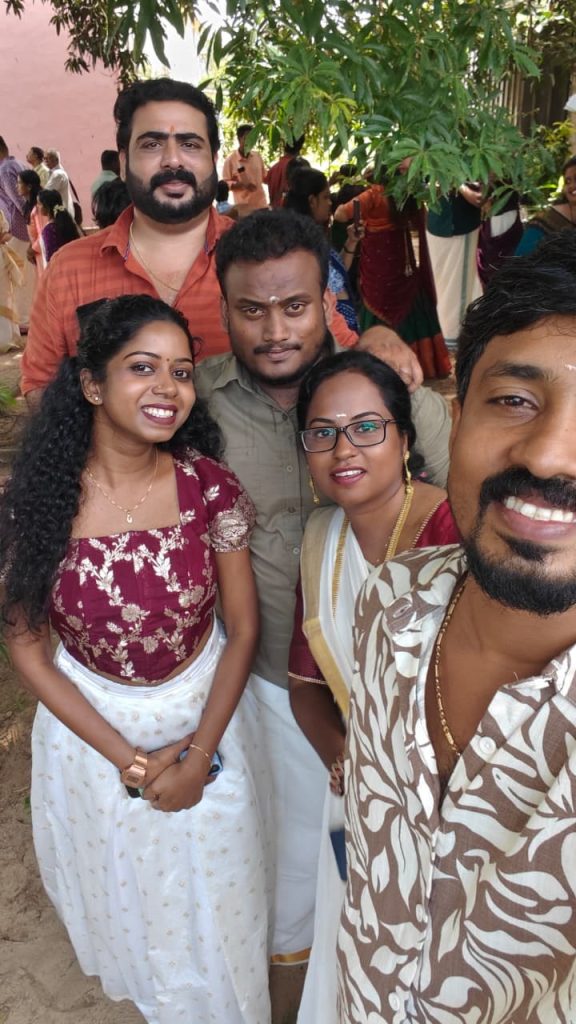
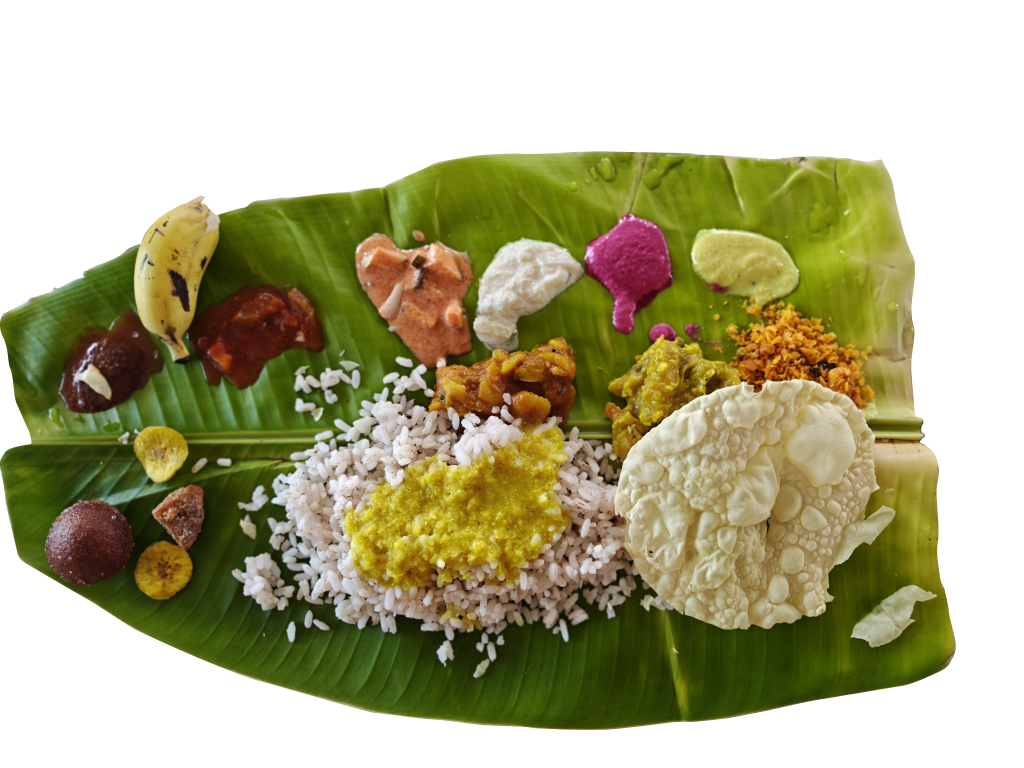
The Sadhya brought everyone together around one of the most universal languages of celebration: food. After the performances, games, awards and all the excitement of the day, sitting down together for a traditional Onam meal felt like the perfect way to slow things down.
Conversations continued. Laughter carried on. People moved between tables, caught up with one another and simply enjoyed the moment. After a morning filled with activity, the meal became a chance to sit still for a while and take in the fact that everyone was there, together. Perhaps that is what made the celebration memorable.
It was not simply the dances, the games, the Maveli, the PSL awards or even the Sadhya individually. It was the sense of togetherness that ran through all of it.
At Pallium India, our days are often structured around the needs of others. We accompany care beneficiaries and families through some of the most difficult periods of their lives. We work across hospitals, homes, communities and care settings. We coordinate, counsel, advocate, organise, listen and support. There is rarely a shortage of work, and there is almost always someone who needs something from us.
Days like Onam give us the opportunity to pause, look around and recognise the people who make all that work possible. The celebration brought together doctors, nurses, social workers, care assistants, administrative staff, volunteers, care beneficiaries and families in an atmosphere where professional roles mattered a little less and simply being part of the Pallium community mattered a little more.
We laughed together.
We cheered for one another.
We watched our colleagues perform.
We celebrated our sports teams.
We shared a meal.
And, for a few hours at least, we allowed ourselves to simply enjoy being together.
More than anything, the day was a reminder of what makes Pallium India special. It is not only the services we provide or the work we do. It is the community that grows around that work.
A community of care beneficiaries, families, volunteers and professionals who, despite the demands of their everyday lives, continue to show up for one another.
Perhaps my own interrupted Onam was a small reflection of that same spirit.
I missed the first half of the celebration because someone needed to be taken to the hospital. Sam missed part of it too, because he was doing what his role required him to do. But instead of letting one person carry that responsibility alone, we went together.
And perhaps that is what made returning for the Sadhya feel even more meaningful.
I did not really feel that I had missed Onam. I had simply spent part of it doing what we do at Pallium India: making sure someone was cared for, while also making sure that a colleague did not have to miss out alone.
Eventually, we returned to the celebrations, sat down for the Sadhya and became part of the festivities again.
We had missed some of the performances and some of the fun, but we had not missed what mattered most.
Onam, after all, is about being together.
It is about making space for one another, sharing what we have, celebrating together, looking out for each other and making sure no one is left behind.
And, in our own Pallium way, we did exactly that.
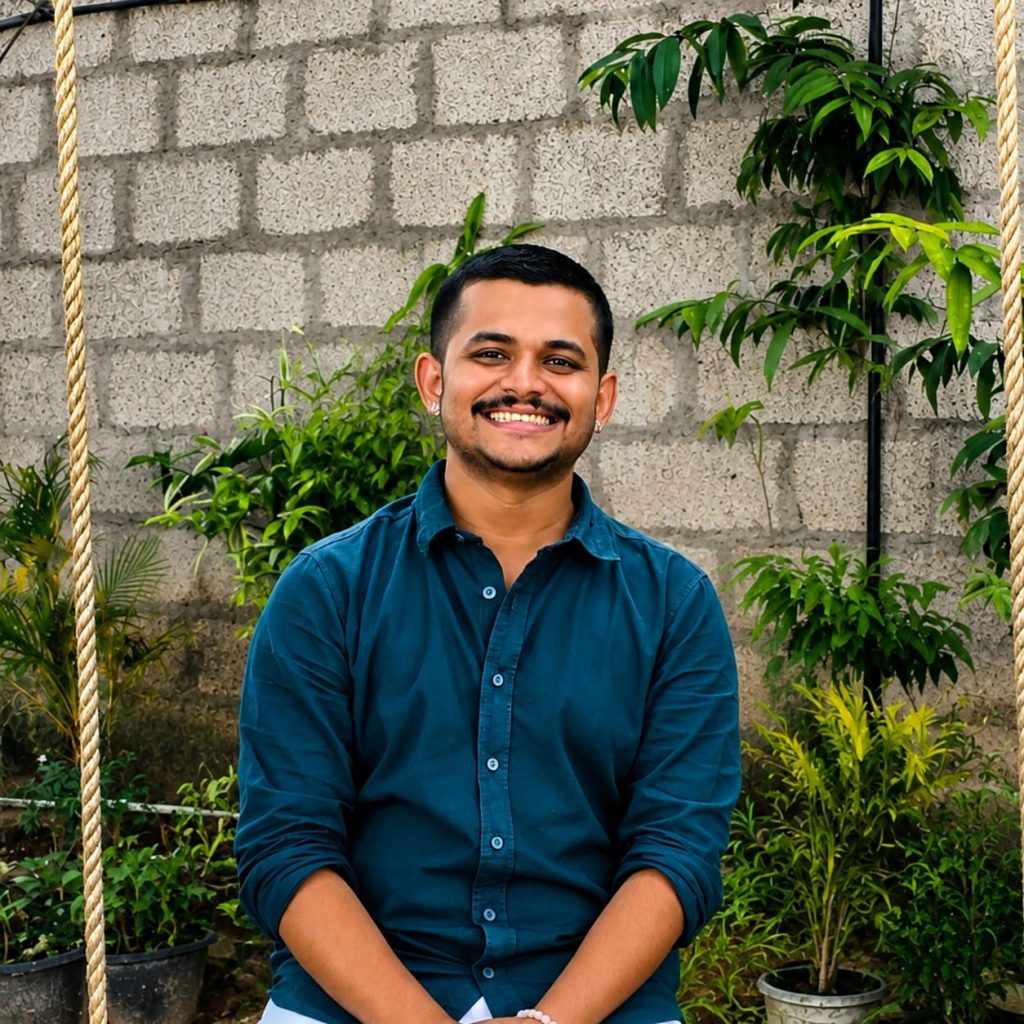
Gokul K Gopikrishna
TIPS IP In-charge Social Officer, Pallium India