
What Love Looks Like When It Cannot Save.
There comes a point in some journeys when love can no longer do what it has always tried to do.
It cannot fix.
It cannot protect.
It cannot make promises it isn’t sure it can keep.
For most of my life, I thought caring for someone meant finding answers. If there was a problem, I would solve it. If there was pain, I would try to ease it. If there was fear, I would search relentlessly for reassurance. But some situations refuse to be negotiated with.
No amount of research, determination, optimism, or sheer force of will can bend them into something more manageable.
And that is a terrifying realization.
Because when the solutions disappear, you are left with a question:
What does love look like now?
Lately, I think the answer is presence. Not the kind that arrives with advice or encouragement. Not the kind that insists everything will be alright.
Just presence.
The quiet kind.
The kind that sits beside another human being and says, without words if necessary, “I know this is hard. I know I cannot carry it for you. But I will stay.”
There is something deeply humbling about reaching the limits of what you can do for someone you love. You discover that strength is not always action.
Sometimes strength is witness.
Sometimes it is listening without interrupting.
Sometimes it is making room for fear, grief, anger, or sadness without rushing to sweep them away.
Sometimes it is resisting the urge to fill every silence.
We spend so much of our lives trying to make difficult emotions disappear. Yet some emotions are not problems to be solved. They ask only to be witnessed.
And perhaps that is one of the most profound forms of companionship.
To say: I cannot change this reality. But you do not have to face it alone.
I am beginning to understand that love is not measured only by what it can accomplish.
It is measured by what remains when accomplishment is no longer possible.
When there are no victories to claim.
No plans to make.
No guarantees to offer.
Only a hand to hold.
A chair pulled closer.
A willingness to stay.
And sometimes, that quiet, steadfast presence is its own kind of grace.
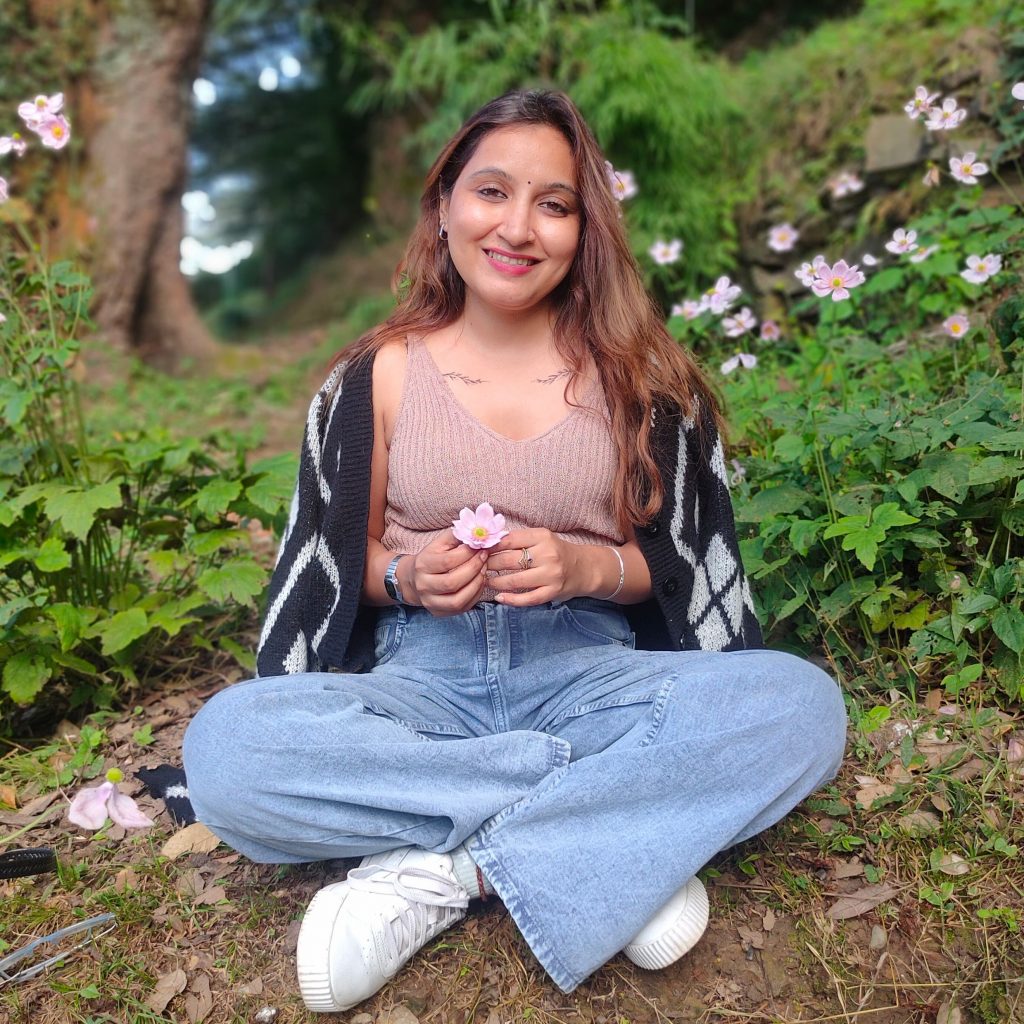
Riddhi Tomar is an aspiring writer and family caregiver whose experience caring for her father during his journey with advanced cancer inspired her to write about palliative care, caregiving, and dignity at the end of life. Through her writing, she hopes to foster greater awareness and compassion for patients and their families.
Originally published: What Love Looks Like When It Cannot Save. – CopyThatRiddhi